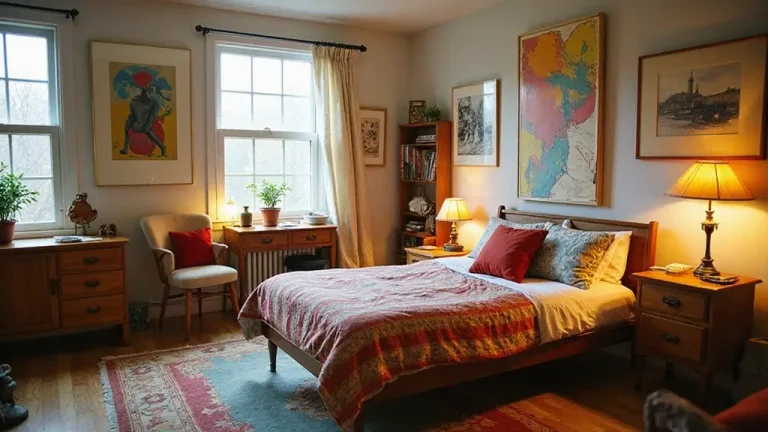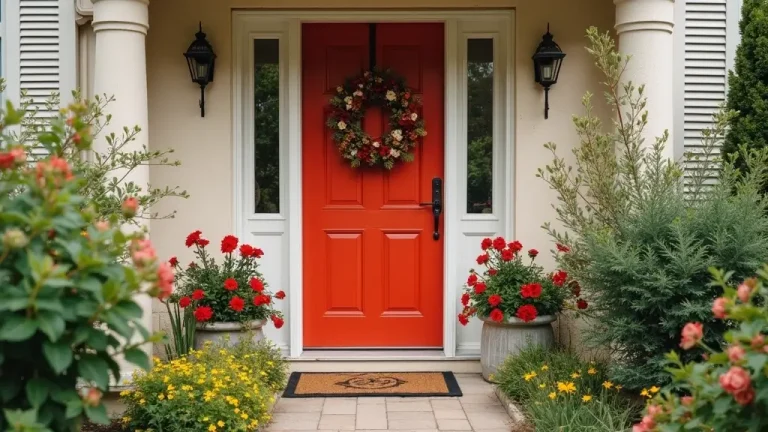

20 Cozy Studio Apartment Ideas That Actually Work on a Budget

Living in a studio means every square foot is doing double duty, and most of the time it’s not winning. Your bed is two feet from your “kitchen,” your storage is a pile on the floor, and the whole place feels like a holding room. It’s frustrating. You know it can feel better. You just don’t know where to start.
This list covers 20 real ideas, researched across home forums, apartment decorating communities, and actual renters who figured it out the hard way. Each idea was picked because it works in small spaces, doesn’t need a contractor, and fits a budget of $100 to $300. Categories include lighting, zoning, storage, and wall treatments.
A lot of these ideas also apply if you’re trying to turn one room into two distinct zones.
This is for renters and first-time apartment dwellers working with $100 to $300 total, not per item. If you’re looking to gut-renovate or spend thousands, this isn’t that. But if you want real results with what you’ve got, it’s absolutely achievable.
By the end, you’ll have a clear, actionable plan to make your studio feel like a place you actually want to come home to.
What to Know Before You Start Decorating a Studio Apartment
- Studios average 300 to 600 sq ft, so every piece of furniture takes up real estate visually and physically.
- Natural light matters more than decor. One blocked window hurts more than ten pretty pillows help.
- Renters lose security deposits over nail holes. Use Command strips rated for 5+ lbs or picture-hanging strips first.
- A $20 can of touch-up white paint fixes scuffs before move-out and costs less than a deposit deduction.
- Most people buy furniture too big. A sofa over 84 inches in a studio under 400 sq ft kills the room.
- Vertical space above 6 feet is almost always wasted. Shelving up there costs $40 to $80 and adds serious storage.
- Warm bulbs (2700K) make any room feel less clinical. Swapping one overhead fixture takes five minutes.
- Rugs that are too small are the single most common decorating mistake in studio apartments.
1. Use a Large Area Rug to Define Zones

The floor plan of a studio is basically one big open rectangle, and without something to break it up, everything bleeds into everything else. A large rug under your sofa and coffee table instantly creates a “living room” that feels separate from the rest of the space. It’s one of those things that sounds small but changes the whole feel.
Go at least 8×10 feet if your floor plan allows. Anything smaller and the furniture floats on top of it awkwardly. Budget around $80 to $150 for a decent flatweave or low-pile option. Jute rugs in this size often hit under $100 and hold up well. When I tried this in my own space, the room went from feeling like a hallway to feeling like an actual apartment.
If you’re also working in a dining spot, there are smart ways to anchor a living area without sacrificing the eating zone.
2. Add a Bookshelf as a Room Divider
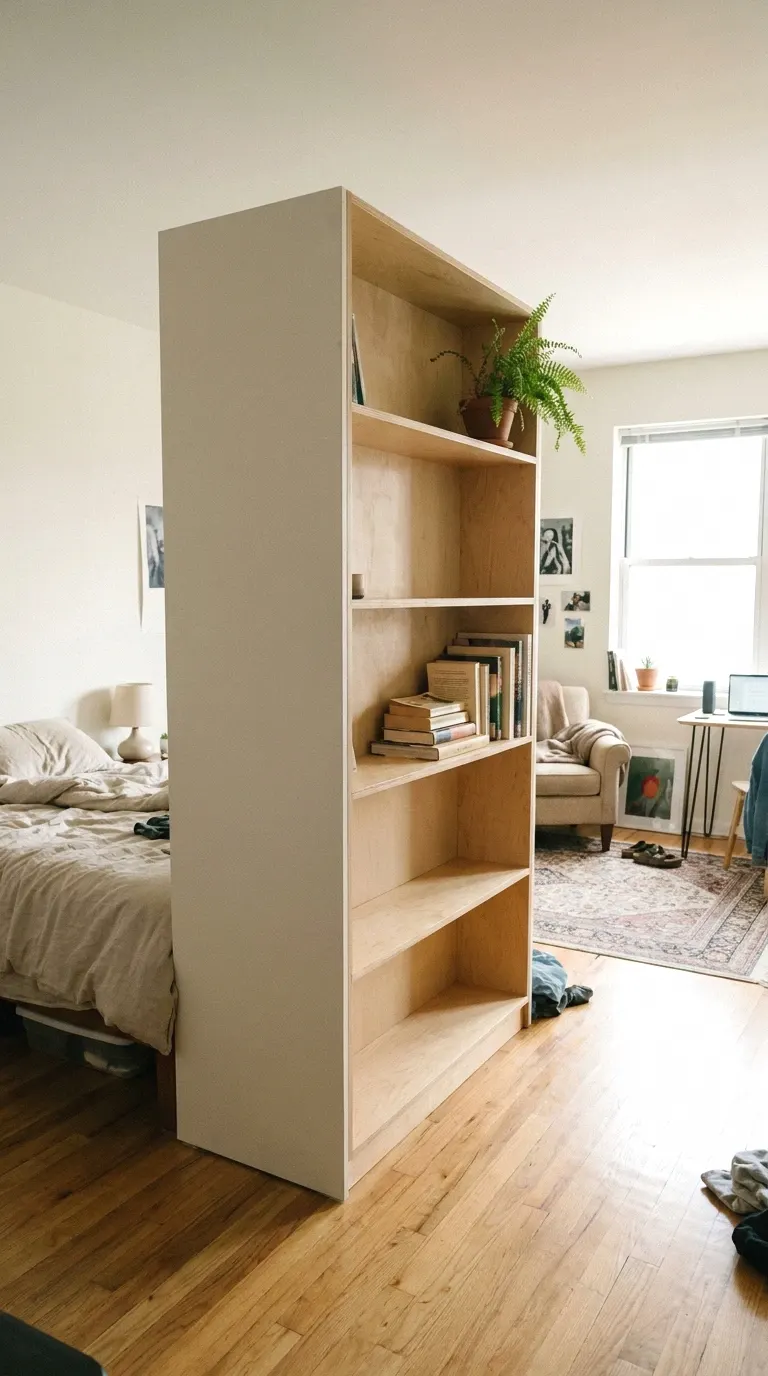
So here’s the thing about studio apartments: you can’t build walls, but you can suggest them. A tall open bookshelf placed perpendicular to the wall creates a visual boundary between your sleeping area and living area without blocking light or airflow. It does two jobs at once. That’s the goal.
Look for a 5 or 6-shelf unit that’s at least 71 inches tall. The KALLAX or BILLY from IKEA both land around $60 to $120 depending on size. Style it with a mix of books, plants, and a few small objects. Leave some sections open so it doesn’t feel dense. This one simple move makes the layout read like a one-bedroom, not a dorm room.
For shelf styling that actually looks good without overthinking it, a few simple principles go a long way.
More Ideas:

3. Swap Your Overhead Bulb for a Warm-Toned One
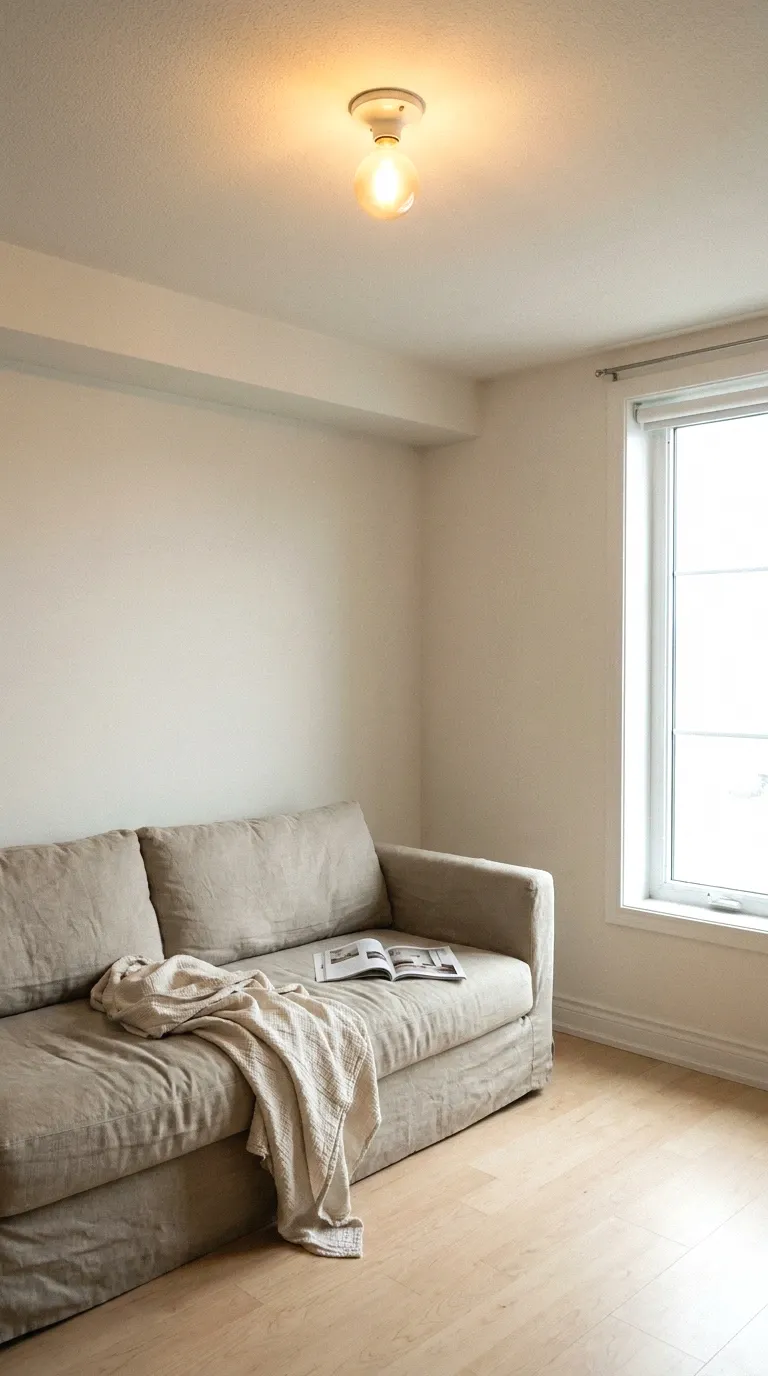
The overhead light in most apartments is doing active damage. A single cool-white bulb from the ceiling makes the whole room feel like a break room. It’s harsh, flat, and makes everything look slightly gray. One bulb swap fixes this completely.
Pick up a 2700K LED bulb for around $5 to $8 at any hardware store. If your fixture takes a standard E26 base, it’s a two-minute swap. For extra warmth, go 2400K. The difference is immediate. The room feels softer, quieter, and more lived-in. And honestly, you’ll wonder why you waited so long to do it.
4. Hang Floor-to-Ceiling Curtains
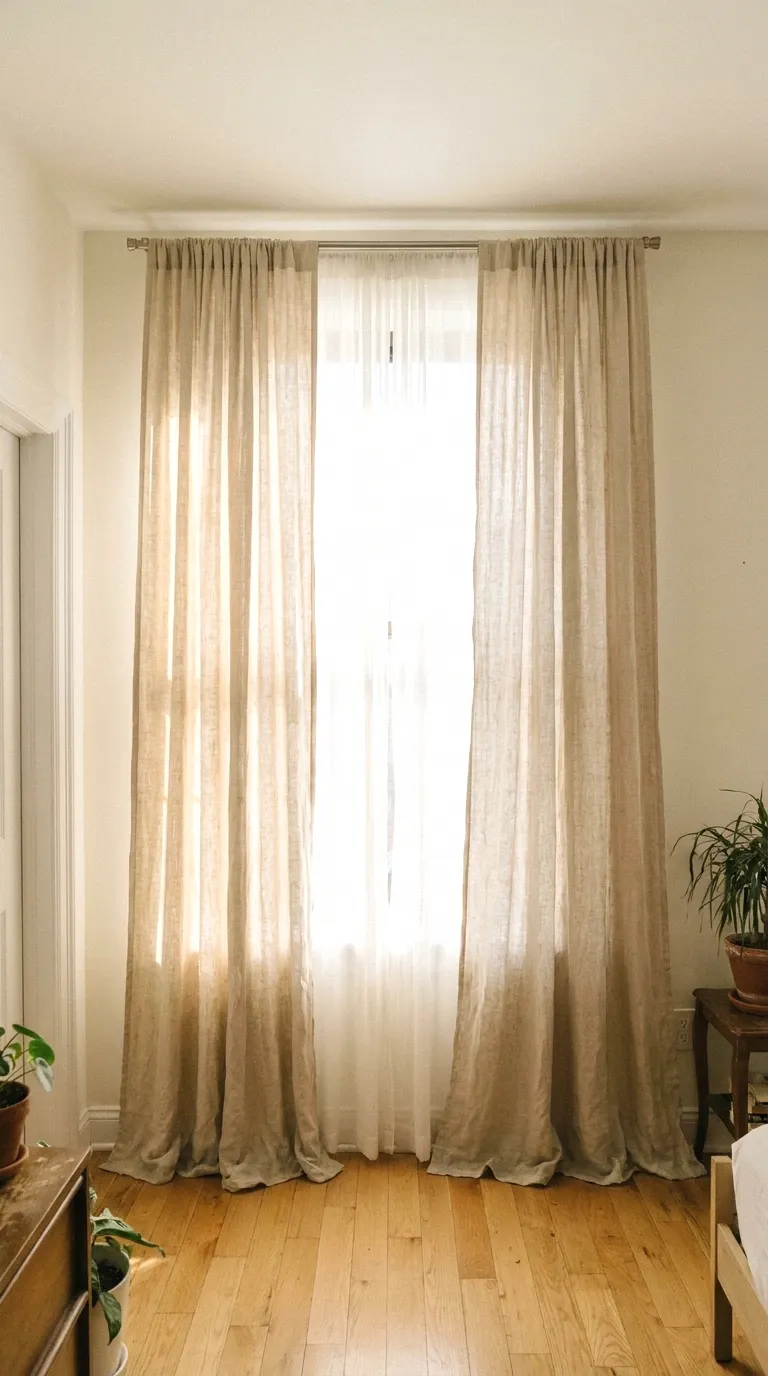
Most windows in studios are on the smaller side, and standard curtains that frame just the window make them look even tinier. The trick is to hang the rod as close to the ceiling as possible and let the panels drop all the way to the floor. It makes the ceiling feel taller and the window feel bigger. Both things you want.
You don’t need expensive curtains for this to work. A set of linen-look panels from Target or Amazon runs $25 to $50 for a pair. Mount the rod 4 to 6 inches above the window frame, or higher if your ceiling allows. Use a rod that extends at least 6 inches past the window on each side. The room will look noticeably more pulled-together.
The same height trick works near a door too, and there are some small entryway setups worth copying if you want that area to feel finished.
5. Place a Tall Floor Lamp in a Dark Corner

Every studio has at least one corner that gets no light, and that dark corner makes the whole room feel smaller. A tall floor lamp tucked in that spot doesn’t just add light, it adds height. Your eye travels up the lamp and then up to the ceiling, which makes the room feel bigger. It’s a visual trick that actually works.
Arc lamps are especially good for this because the head swings out over a chair or sofa and gives you task lighting without a side table. Budget $40 to $80 for a basic arc floor lamp. Look for ones with a linen or fabric shade rather than plastic, because the light diffuses softer. (This one is so underrated, honestly.)
If your sleeping corner is what needs the most warmth, there are floor lamp ideas for tight spaces that do double duty as ambiance and function.
6. Mount a Full-Length Mirror on the Wall
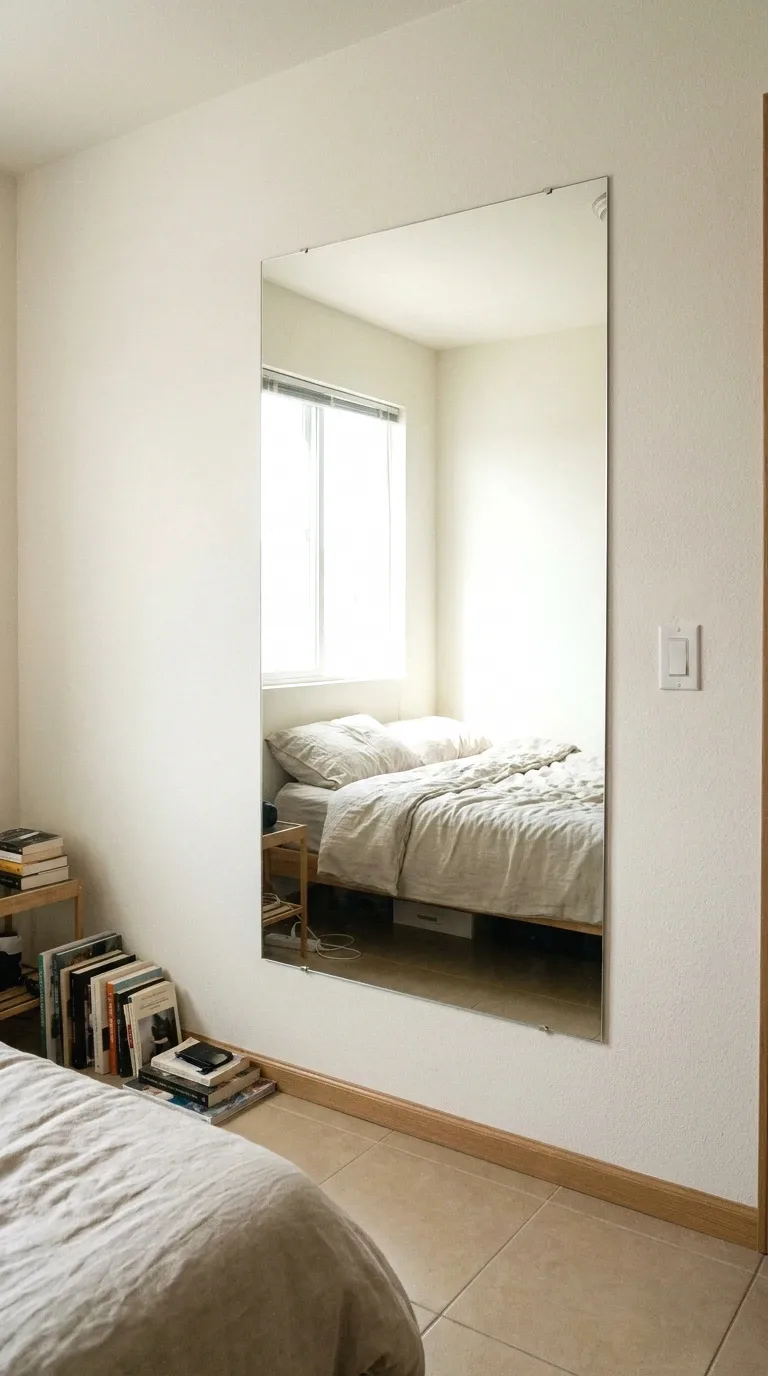
Mirrors do two things in a small space: they reflect light and they double the apparent size of the room. A full-length mirror leaned against a wall works fine, but mounting it flat against the wall is cleaner and safer in a small space where you’re constantly moving around.
A 48-inch-tall mirror runs $30 to $70. Position it on the wall opposite your largest window and the reflected daylight will genuinely make the room brighter throughout the day. Command large picture-hanging strips can hold mirrors up to 16 lbs without nails. Check the mirror’s weight first, always. This is one of those changes that pays off immediately.
More Ideas:
7. Use a Bed Frame with Built-In Storage

In a studio, under the bed is some of the most valuable real estate you have. Most people waste it entirely. A platform bed with built-in drawers on the sides gives you the equivalent of a small dresser without taking up any floor space. And it keeps things off the floor, which makes the whole room feel more open.
These frames typically run $150 to $300 for a queen size. Look for ones with at least two drawers on each side, which gives you four total. That’s enough for off-season clothes, extra bedding, or anything you don’t need daily. If your current frame doesn’t have storage, bed risers plus flat storage bins under the bed get you most of the way there for around $20 to $30 total.
Beyond the bed, there are plenty of storage ideas that don’t eat floor space if you know where to look.
8. Put Up Removable Wallpaper on One Wall

One accent wall changes a room more than people expect. And removable wallpaper means you can do it as a renter without losing your deposit. The quality has gotten genuinely good in the last few years. It peels off cleanly, doesn’t leave residue, and goes up without a professional.
Pick a wall that you see when you first walk in, usually the one behind your sofa or bed. A roll of peel-and-stick wallpaper covers about 20 sq ft and costs $25 to $45. For a 9-foot-tall, 8-foot-wide wall, budget for 4 to 5 rolls. Patterns that work well in small spaces include subtle textures, thin stripes, and small-scale geometric prints.
If you want to explore more accent wall approaches for renters before committing to a pattern, it helps to see the options side by side.
9. Add a Small Desk Area with Floating Shelves Above It
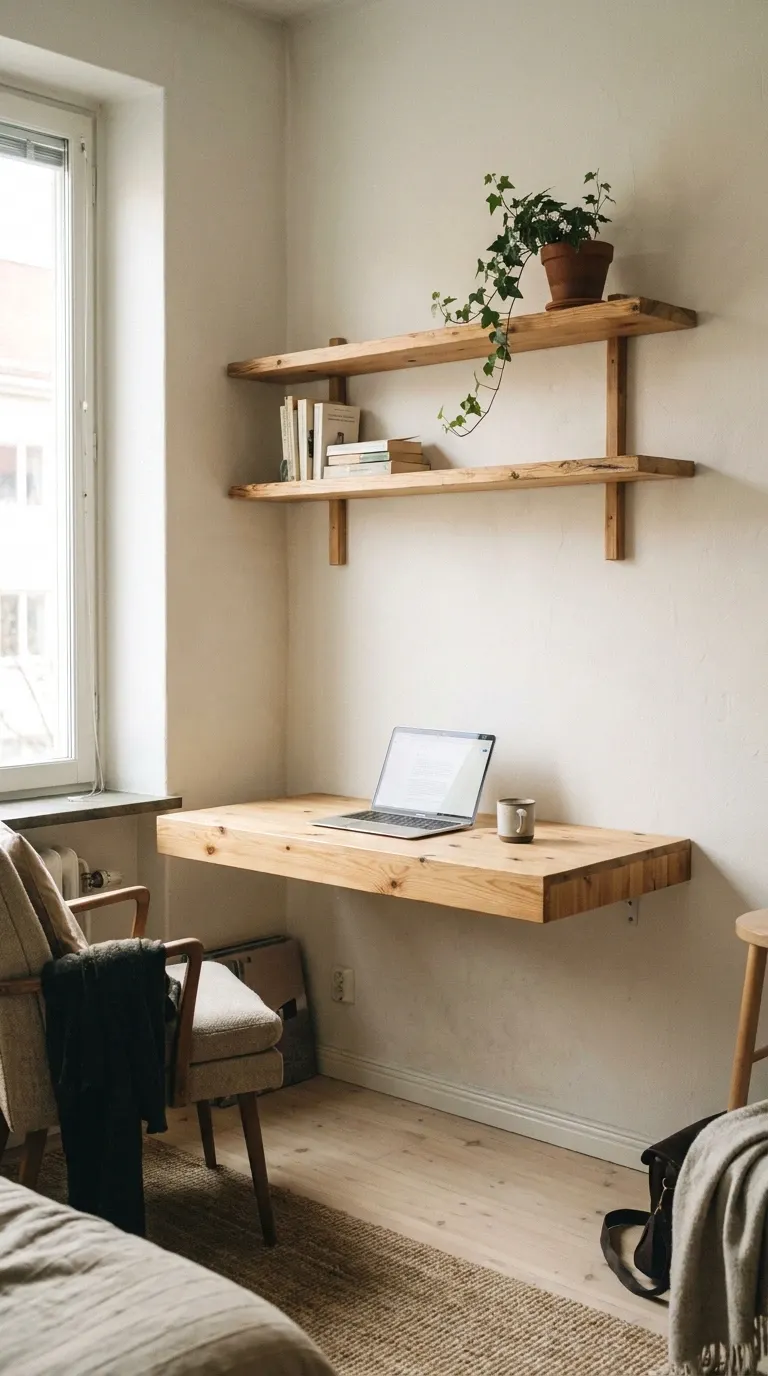
Studios that double as work-from-home spaces need a clear separation between “work” and “not work,” even if it’s just visual. A floating desk shelf mounted on the wall and two small shelves above it creates that boundary without taking up floor space the way a full desk would.
Floating shelves run $15 to $30 each at IKEA or most hardware stores. A 24-inch-wide shelf works well as a desk surface at 28 to 30 inches from the floor. Add a clip-on task light and you’ve got a functional workspace for under $80 total. (Took me ages to figure this out when I was working from a studio.)
If you need more than a floating shelf to make WFH livable, there are full desk setups that fit small apartments without dominating the room.
10. Hang Plants at Different Heights

Plants make a room feel lived in and cared for. But more than that, having greenery at multiple heights, on the floor, on a shelf, hanging from the ceiling, draws the eye around the room and adds dimension. It’s one of those things that looks designed without being expensive.
A simple ceiling hook with a macrame hanger holds a trailing plant like pothos or tradescantia and costs about $10 to $15 total. Two or three at different lengths near a window creates real visual interest. Pothos, snake plants, and heartleaf philodendrons are all low-maintenance and under $15 each at most garden centers or grocery stores.
More Ideas:
11. Layer Two Light Sources Instead of One
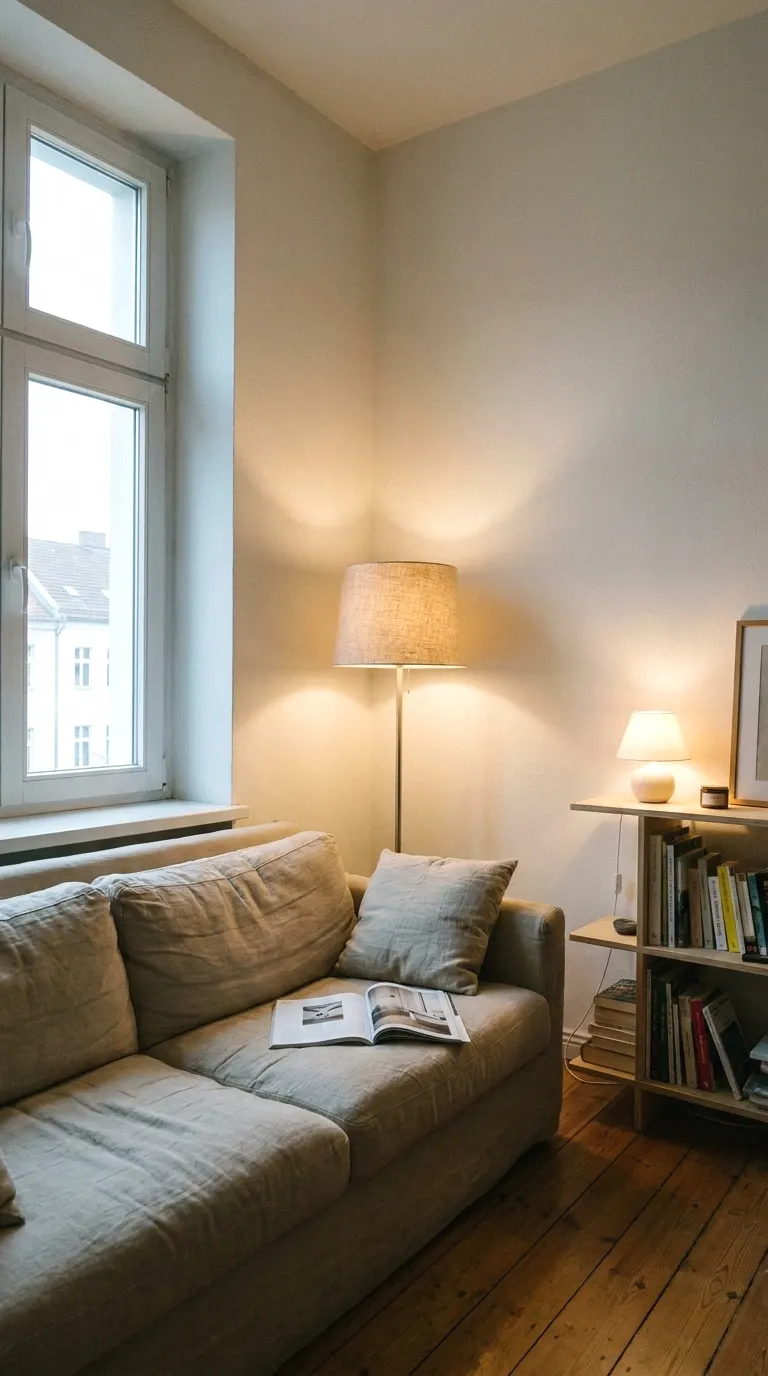
Single overhead lighting makes rooms feel flat. Two or three light sources at different heights, an overhead, a floor lamp, a table lamp, create depth and warmth that changes how the room feels completely. This is something interior designers do in every room they work on, and it costs almost nothing to replicate.
Pick up a simple table lamp for $20 to $40 and put it on your nightstand or bookshelf. Plug it into a smart outlet or a basic lamp timer so it comes on at dusk. With your warm overhead bulb (from tip three) and this lamp running together, the room will feel entirely different in the evenings. Try it once. You’ll see.
12. Use Ottoman Storage as Your Coffee Table
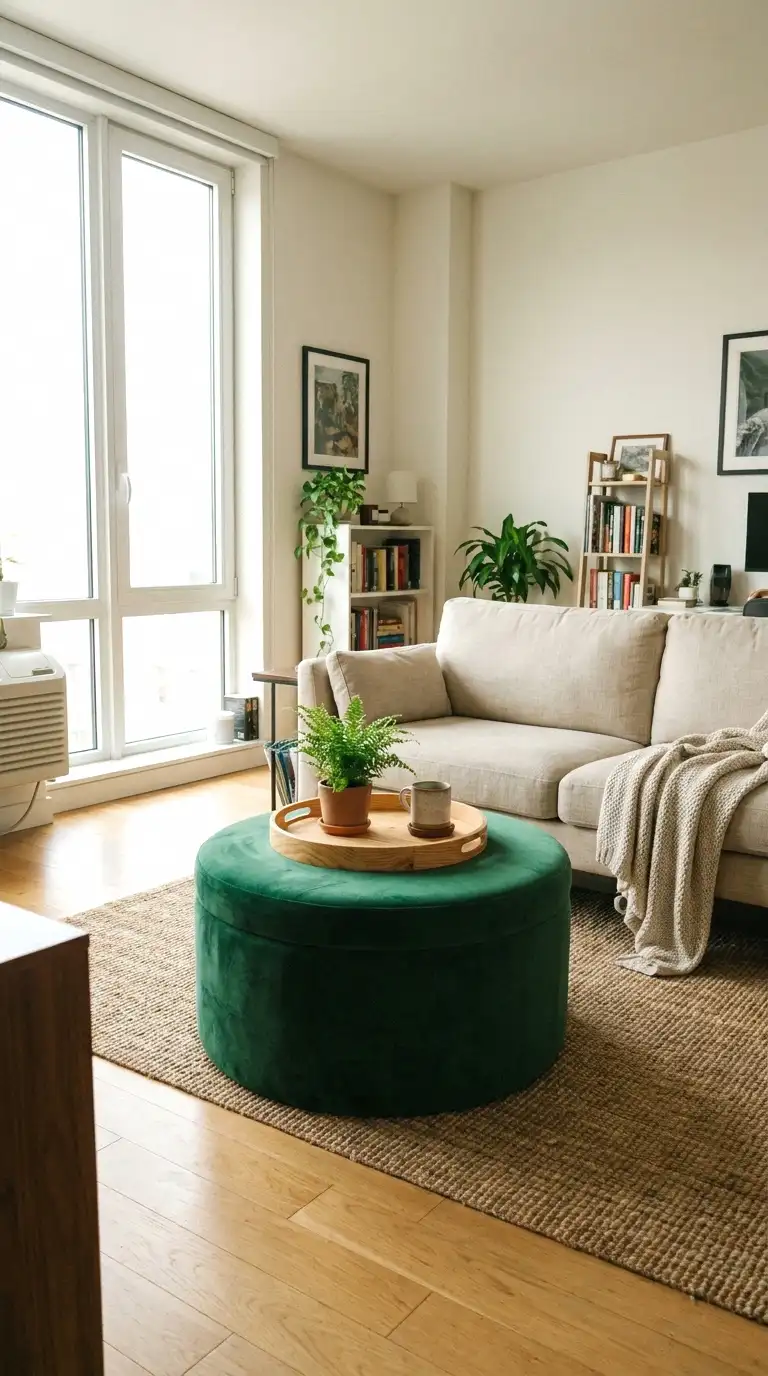
Coffee tables take up a lot of floor space and offer almost no storage. An upholstered storage ottoman does both. You get a soft surface to put your feet up or your drink on (with a tray on top), plus storage inside for throws, remotes, books, or anything else that ends up on the floor.
Round ottomans work especially well in studios because they have no sharp corners and you can walk around them easily. Look for ones 18 to 20 inches in diameter and at least 16 inches tall. Most run $50 to $120. Add a $10 round tray on top and you’ve got a usable surface without the bulk of a full coffee table.
If you’re keeping a close eye on spending across the whole apartment, there are budget decorating ideas that actually deliver without the usual compromises.
13. Paint or Contact-Paper Your Cabinet Doors

If your kitchen cabinets are beige, dated, or just wrong, you don’t have to live with them. Peel-and-stick contact paper designed for furniture comes in solid colors, wood grain, and matte finishes. Applied carefully, it looks genuinely decent from a normal distance, especially on flat cabinet doors.
This works best on smooth, flat surfaces. Clean the doors thoroughly first with rubbing alcohol, then measure twice before cutting. A roll of quality contact paper like the d-c-fix brand runs $15 to $25 and covers several cabinet doors. Pick a color that works with your countertops, usually white, black, or a warm wood tone, and the kitchen will feel more intentional than it did before.
14. Add a Gallery Wall with Framed Prints
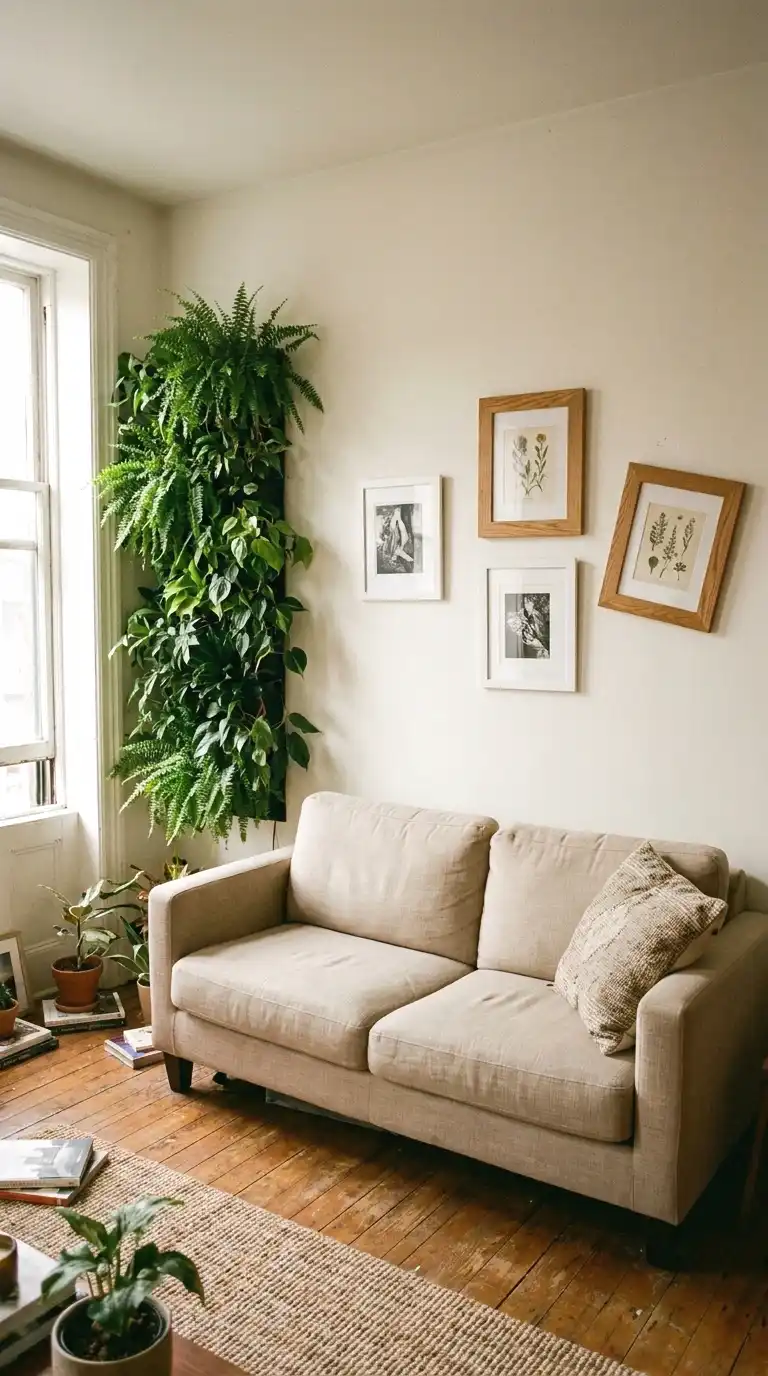
Blank walls in a studio read as unfinished, and that unfinished feeling makes the space feel temporary. A small gallery wall, even just three or four frames, anchors the room and makes it feel like someone actually lives there. It doesn’t need to be expensive or perfectly curated.
Free printable art is everywhere. Sites like Unsplash and Canva have downloadable files you can print at home or at a copy shop for $1 to $3 each. Frames from IKEA’s RIBBA line run $4 to $10 each. Plan the layout on the floor first, then use painter’s tape on the wall to mark placements before you commit to hanging anything. Four frames, four prints, under $50 total.
More Ideas:
15. Get a Pegboard for Kitchen or Entryway Organization
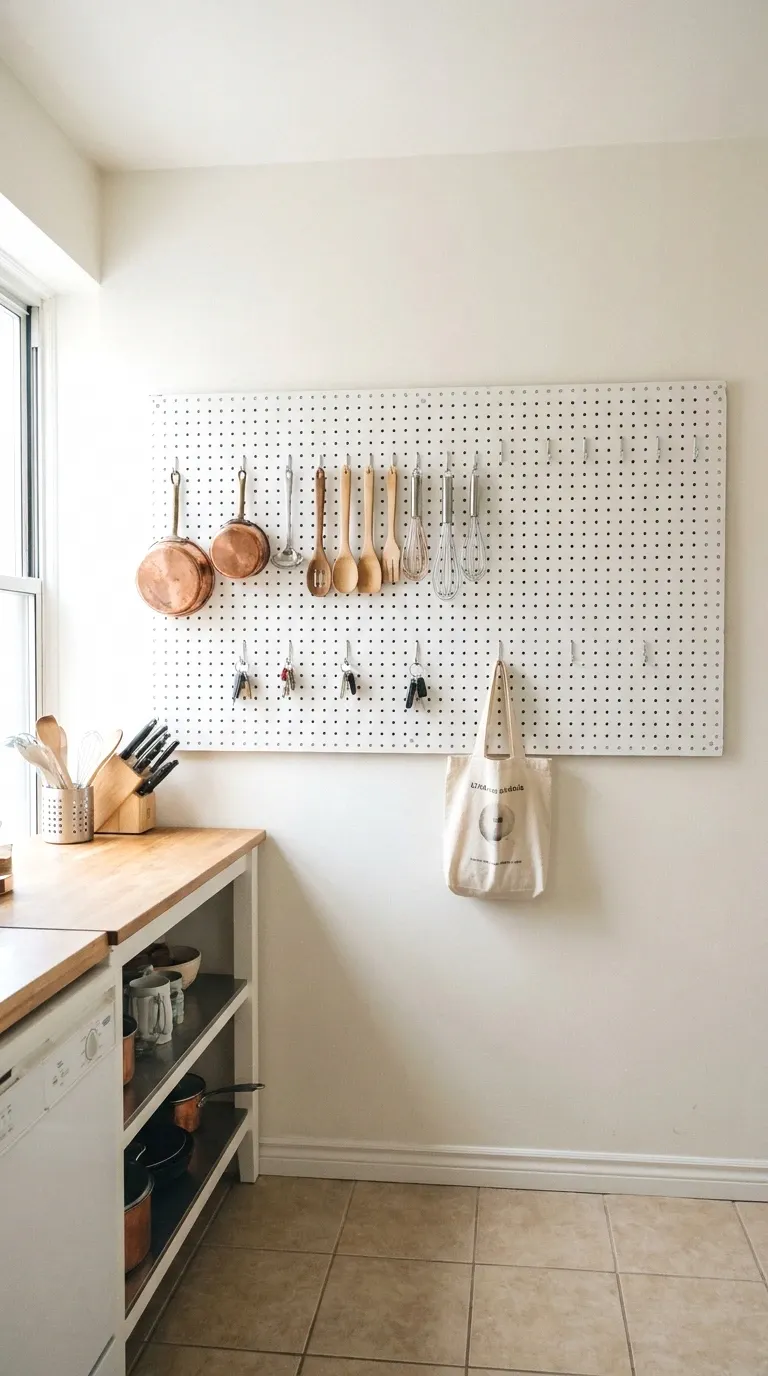
Vertical wall space in a studio is almost always underused, especially in the kitchen and near the entry door. A pegboard mounted on the wall turns that dead space into functional storage for utensils, keys, bags, mail, and small tools. It’s one of the most practical things you can add to a small apartment.
An 18×24 inch pegboard panel runs about $15 to $25 at a hardware store. You’ll need a few wooden spacers behind it so the hooks sit flush properly. The whole setup including hooks comes in around $30 to $45. Paint it white or a color that matches the room. In a kitchen, it frees up your one or two drawers for things that actually need to be in drawers.
16. Use Scent to Set a Mood in the Room
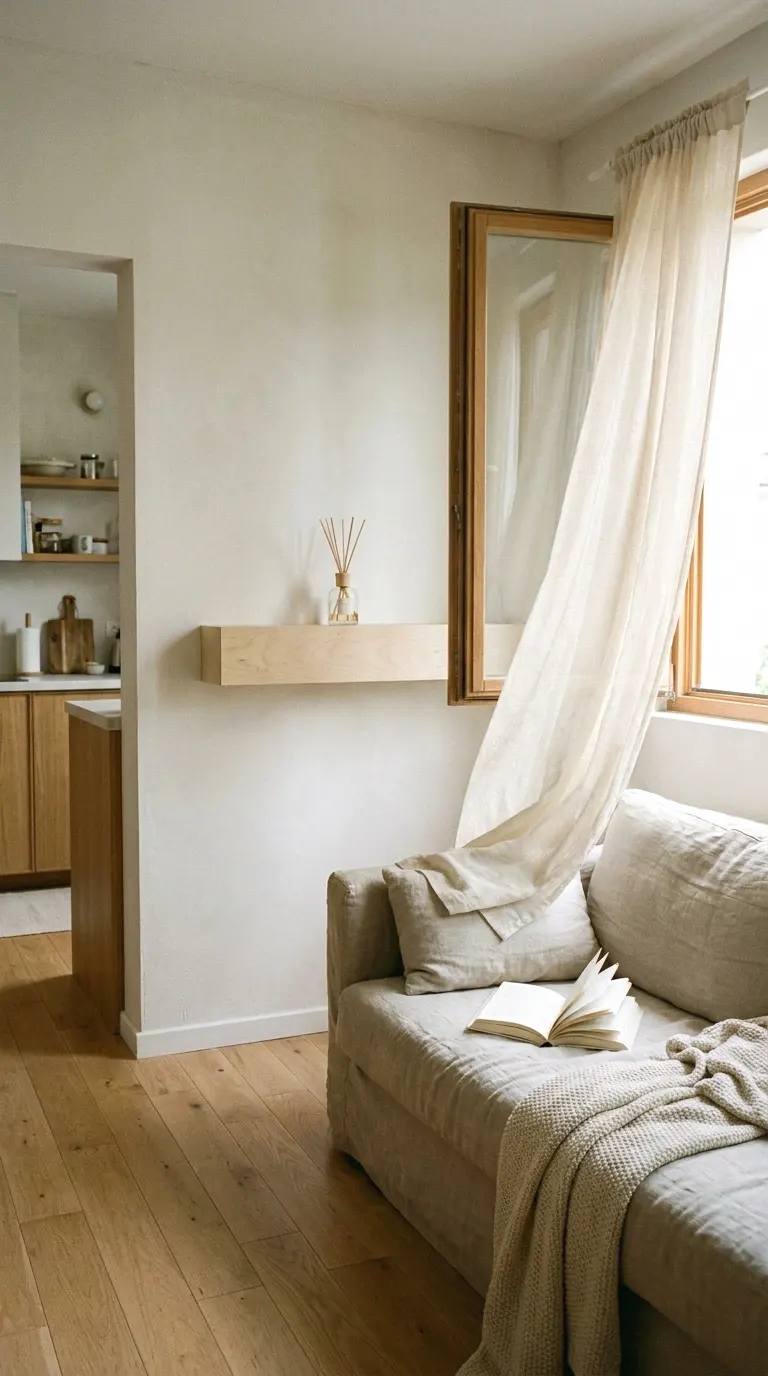
This sounds unrelated to decorating, but it’s not. The way a space smells affects how it feels to be in it. A studio can look great and still feel off if it smells like yesterday’s food or nothing at all. A consistent, light scent makes a room feel more intentional, more like a home.
A reed diffuser costs $15 to $25 and lasts two to three months. Neutral, non-sweet scents like cedar, linen, or sandalwood work well without being overwhelming. Place it somewhere with a little airflow, near a vent or a window you open often, so the scent moves through the room naturally. It’s a small thing that people notice without knowing why they notice it.
17. Hang a Tapestry or Fabric Panel Behind the Bed

In a studio, the bed is usually the biggest visual element in the room. Whatever is behind it gets a lot of attention. A tapestry or large fabric panel hung on the wall behind the headboard acts like a soft headboard, adds color and texture, and makes the bed look more like a designed element and less like it landed there by accident.
Macrame wall hangings and woven tapestries run $25 to $60 for a good-sized piece. Choose something that’s at least 36 inches wide for a full or queen bed. Natural fibers in cream, tan, or warm gray work well in most apartments. Use a dowel rod and two picture hooks to hang it. The whole thing takes about fifteen minutes.
18. Put Up Open Shelving in the Kitchen

Most studio kitchens have one small row of upper cabinets and nothing else. Open floating shelves added above or beside the existing cabinets immediately double your storage and, if you keep them reasonably organized, look good doing it. This is one of the most requested upgrades in apartment decorating communities, for good reason.
A set of two floating brackets plus a wood shelf board from a hardware store runs $30 to $60 depending on size. A 36-inch shelf at about 12 inches deep holds a lot. Keep daily-use items on the open shelf and store messier things behind closed cabinet doors. Stack matching bowls and cups rather than a random mix and it’ll look intentional.
More Ideas:
19. Use Curtains to Hide Closet Clutter
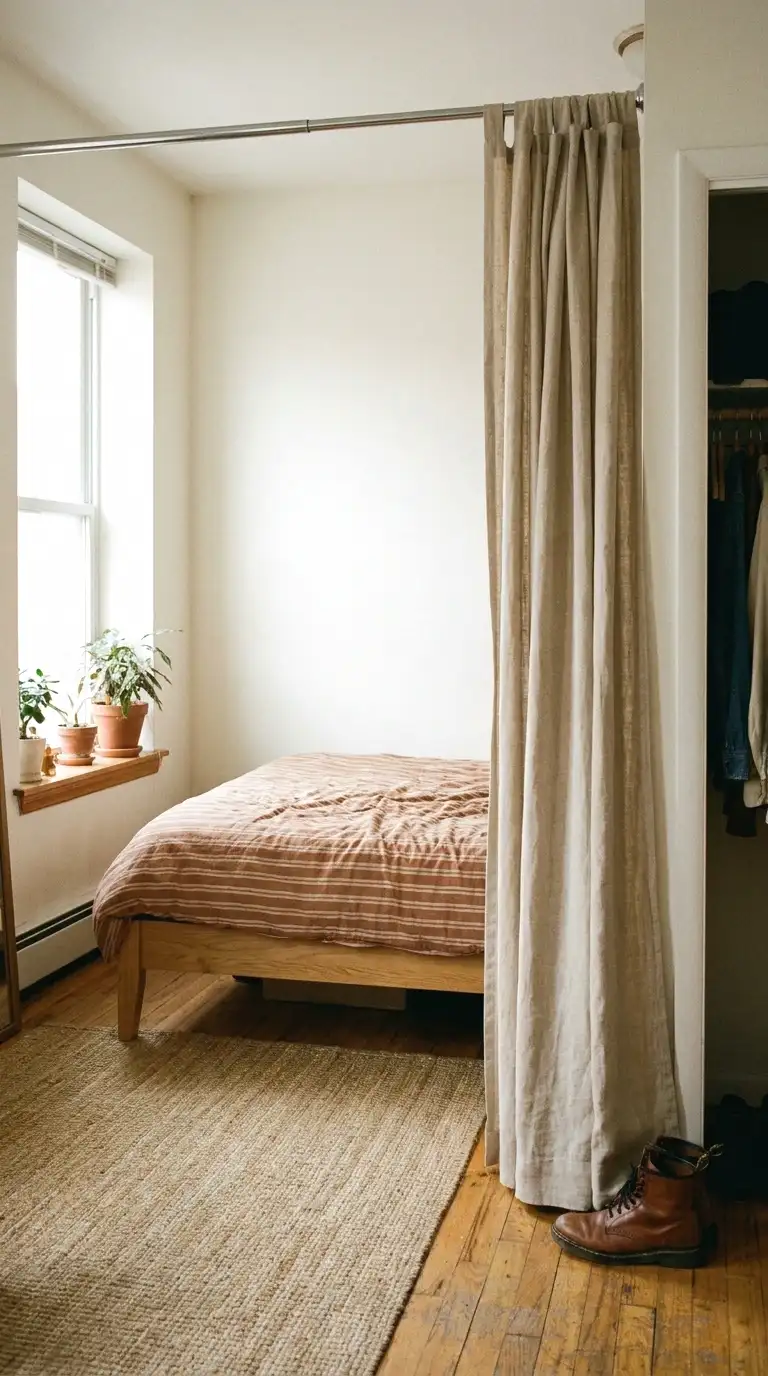
Closets in studios are almost always open-door or bifold-door situations, and they’re rarely something you want visible. Replacing the door with a curtain panel is faster, cheaper, and often better-looking than dealing with a broken or ugly door. A simple tension rod inside the closet opening and a curtain panel is all it takes.
Tension rods that fit a standard 24 to 36-inch closet opening cost $10 to $15. A curtain panel long enough to reach the floor runs $15 to $30. Pick a fabric that ties into the rest of the room, a linen or cotton in a neutral or soft pattern, and the closet becomes part of the decor instead of something you’re always trying to hide.
20. Add a Small Entryway Station Near the Door
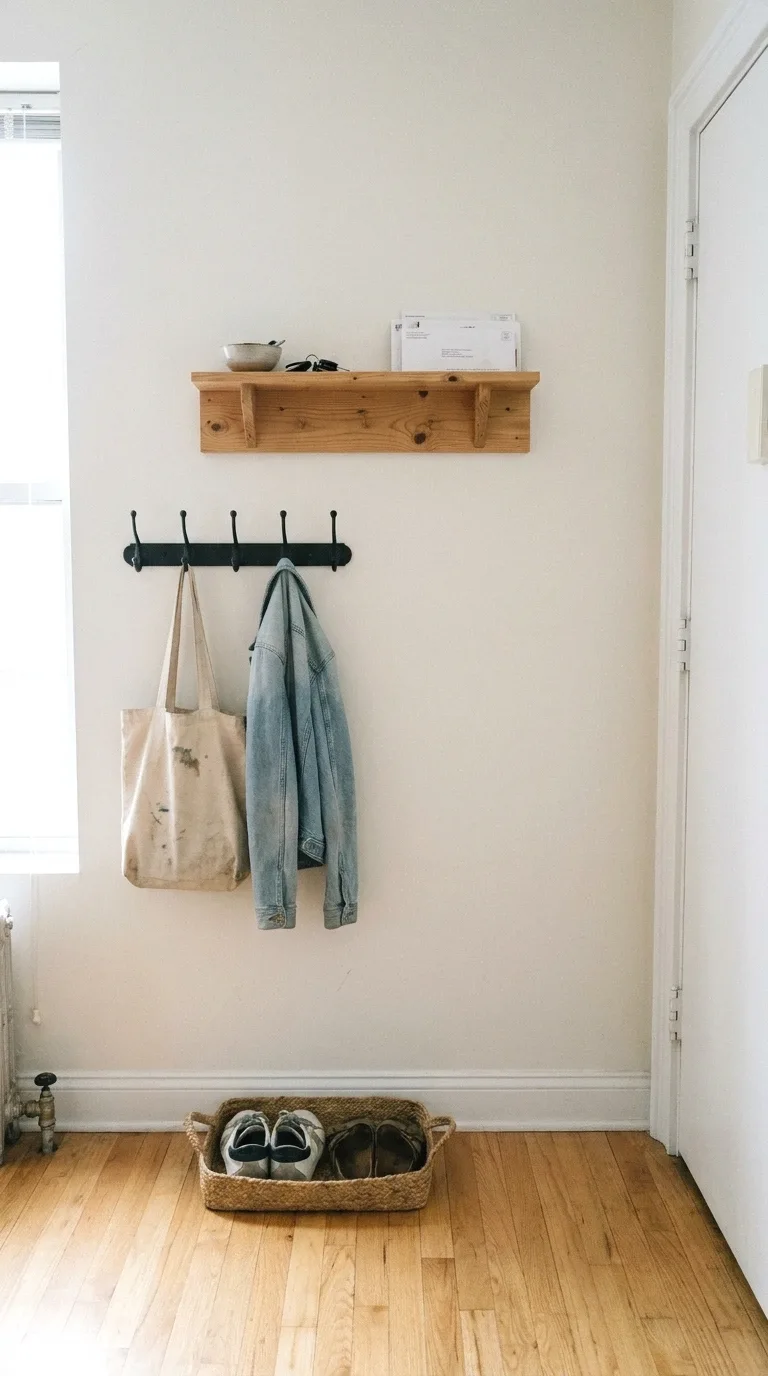
Studios usually have no entry hall, which means the door opens directly into the main living space. That transition matters. A small wall-mounted hook rail near the door, a little shelf for keys and mail, maybe a small tray on the floor for shoes, creates the feeling of an entry zone even when there’s no dedicated space for one.
A four-hook rail runs $15 to $25 and mounts with two screws. Add a floating shelf above it for $20 to $30 and you’ve got a place for everything that would otherwise land on your kitchen counter or couch. Keep the palette simple, black hooks on white, or natural wood on white, and it’ll look intentional rather than added-on. It’s a small thing that makes a real difference every single day.
If you want more entry zone ideas without a hallway to work with, there are layouts that make even the most awkward front-door situations feel intentional.
Final Thoughts on Cozy Studio Apartment Ideas
You don’t need to do all 20 of these at once. The ideas in this list hit three main themes: making the space feel bigger, making it feel more organized, and making it feel like it belongs to you. Get one of those right and the rest starts to fall into place. This is all doable. None of it requires a landlord’s permission or a contractor’s bill.
Start with the lighting. Change one bulb this weekend. Then add the rug if you don’t already have one the right size. Those two changes alone will shift how the whole room feels. Everything else builds from there.
If you want more ideas like this, homelypop.com has a lot more where this came from. Real rooms, real budgets, no fluff.