
14 First Apartment Mistakes Every New Renter Makes (and How to Avoid Them)

You just got your keys and you’re already stressed about messing this up. First apartment mistakes happen to almost everyone, and most of them cost real money before you even notice. That’s the part nobody warns you about.
I went through research on renter forums, real budget breakdowns from Home Depot and IKEA, and stories from people who moved into their first place last year. This list covers 14 mistakes, from move-in day to month three, with fixes that fit a $100 to $500 budget.
This is for first-time renters furnishing a small space on a tight budget. It’s not for anyone doing a full remodel or buying new furniture outright. You can avoid most of these with a little planning.
By the end, you’ll know exactly what to fix first and what to skip so you don’t waste money in month one.
What to Know Before You Start Renting Your First Apartment
- Your security deposit is often one month’s rent, sometimes more.
- Take photos of every wall and corner before you unpack anything.
- Renters insurance runs $15 to $20 a month and covers theft or fire damage.
- Most people forget to measure doorways before buying a couch.
- Landlords often deduct for nail holes, so use removable strips instead.
- Budget $150 for basic tools: drill, level, stud finder.
- Command strips hold less weight than people expect, check the label.
1. Skipping the Move-In Walkthrough
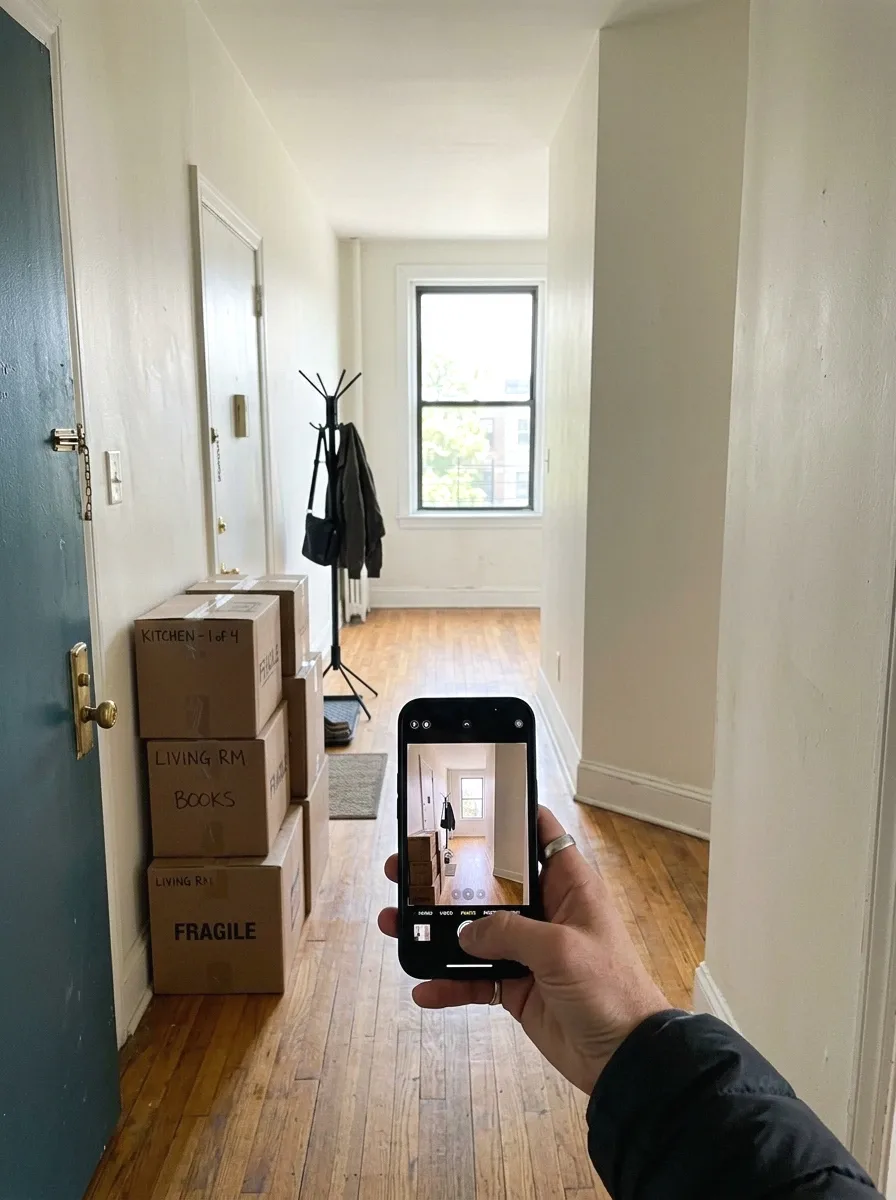
I get it, you’re excited and just want to unpack. But skipping the move-in walkthrough is one of the first apartment mistakes that costs you later. Landlords use the original condition report to decide what comes out of your deposit, and if there’s no record, everything gets blamed on you.
Take photos of every wall, the fridge, and the bathroom before you bring in a single box. Note any scuffs or stains in writing and email them to your landlord that same day. This takes maybe 20 minutes and it protects your deposit, which is usually $500 to $1,000.
2. Buying Furniture Before Measuring the Space
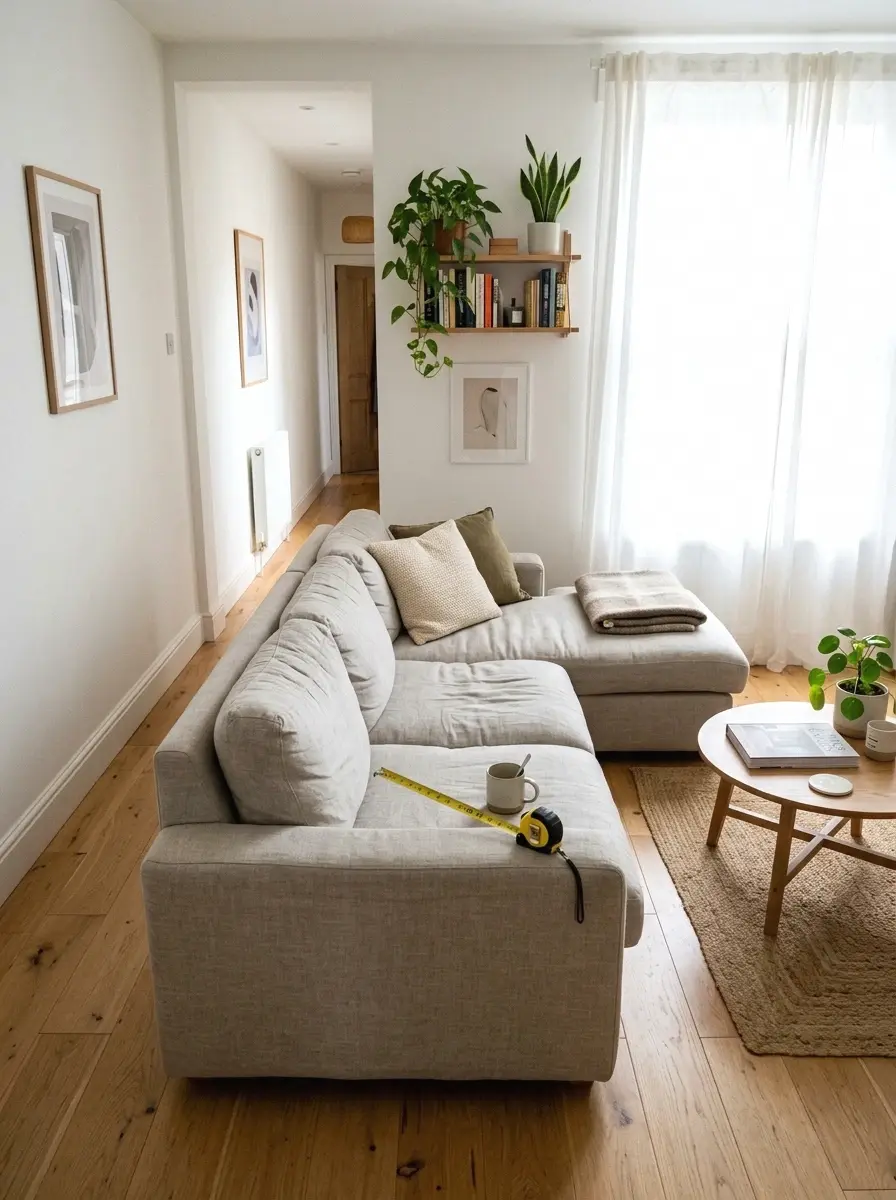
So here’s the thing, that couch looked small in the store. I once bought a sectional that barely fit through my own doorway, and I had to return it for a $75 restocking fee. Measure your doorways, hallways, and stairwells before you buy anything big.
Bring a tape measure or use your phone’s measuring app for a quick check. Write down the width of your narrowest hallway and compare it to the couch’s diagonal depth, not just its width. Wayfair and IKEA both list these dimensions online, so check before you order.
More Ideas:




3. Not Budgeting for Renters Insurance
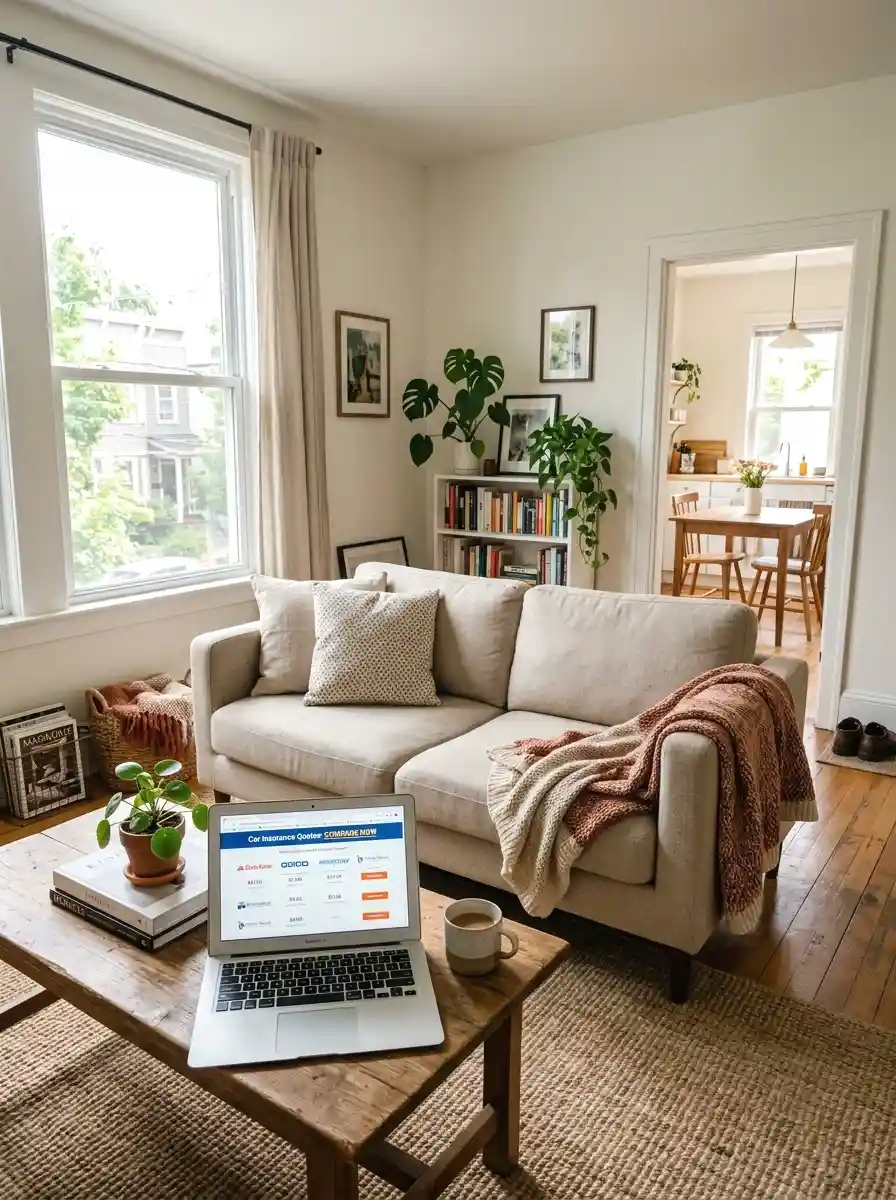
You might think renters insurance is optional, but most leases actually require it now. It’s one of those costs people forget to plan for, and it catches new renters off guard around month two.
A basic policy costs $15 to $20 a month and covers theft, fire, and water damage to your stuff. It also covers liability if a guest gets hurt in your place. Compare prices between Lemonade and State Farm before picking one, since rates vary a lot by city.
4. Painting Without Asking First
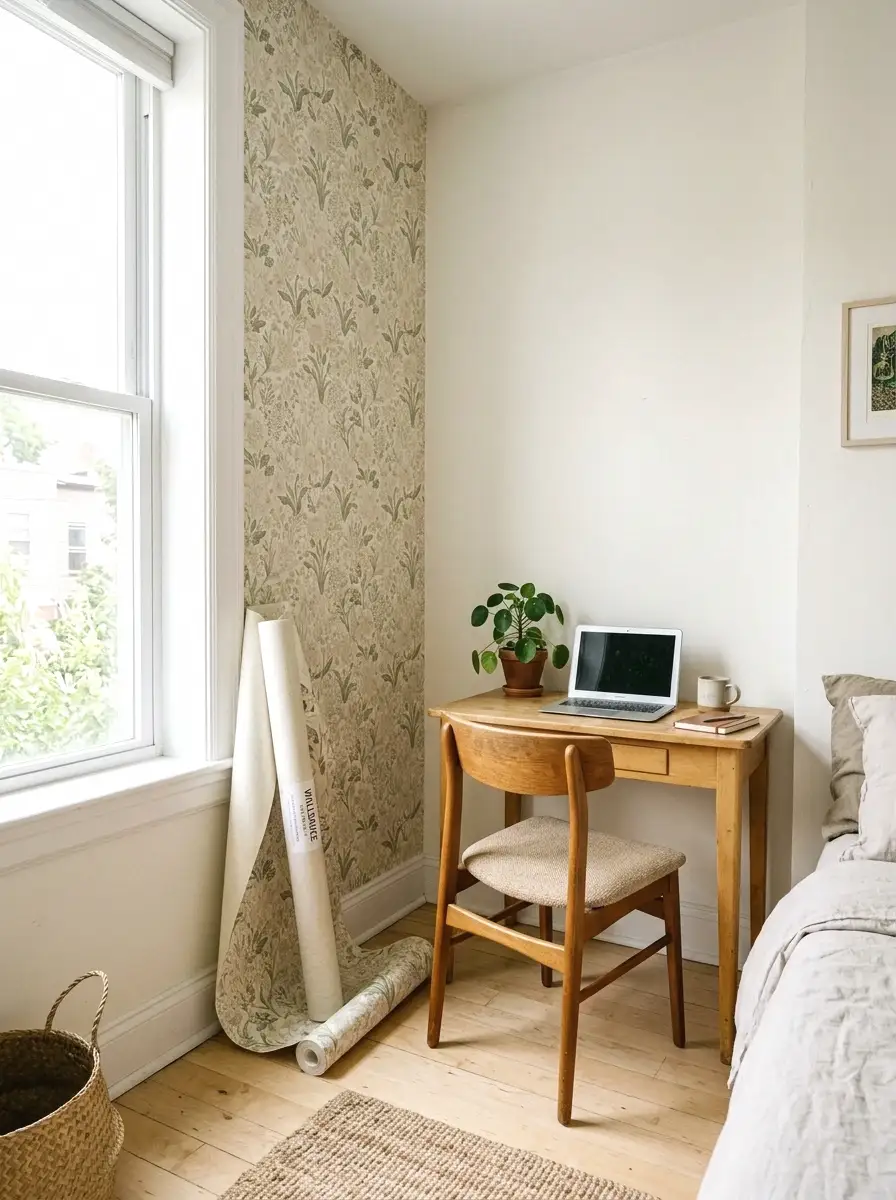
I was skeptical about asking permission for paint, but skipping this step can cost you your full deposit. Most leases ban permanent paint changes, and repainting a wall back to white runs $100 to $200 in labor if you can’t do it yourself.
Ask your landlord in writing if painting is allowed, and get it in writing if they say yes. If not, peel-and-stick wallpaper from Target costs $20 to $40 a roll and comes off clean. It’s a good workaround that still makes the space feel like yours.
More Ideas:
5. Drilling Holes Instead of Using Removable Hooks
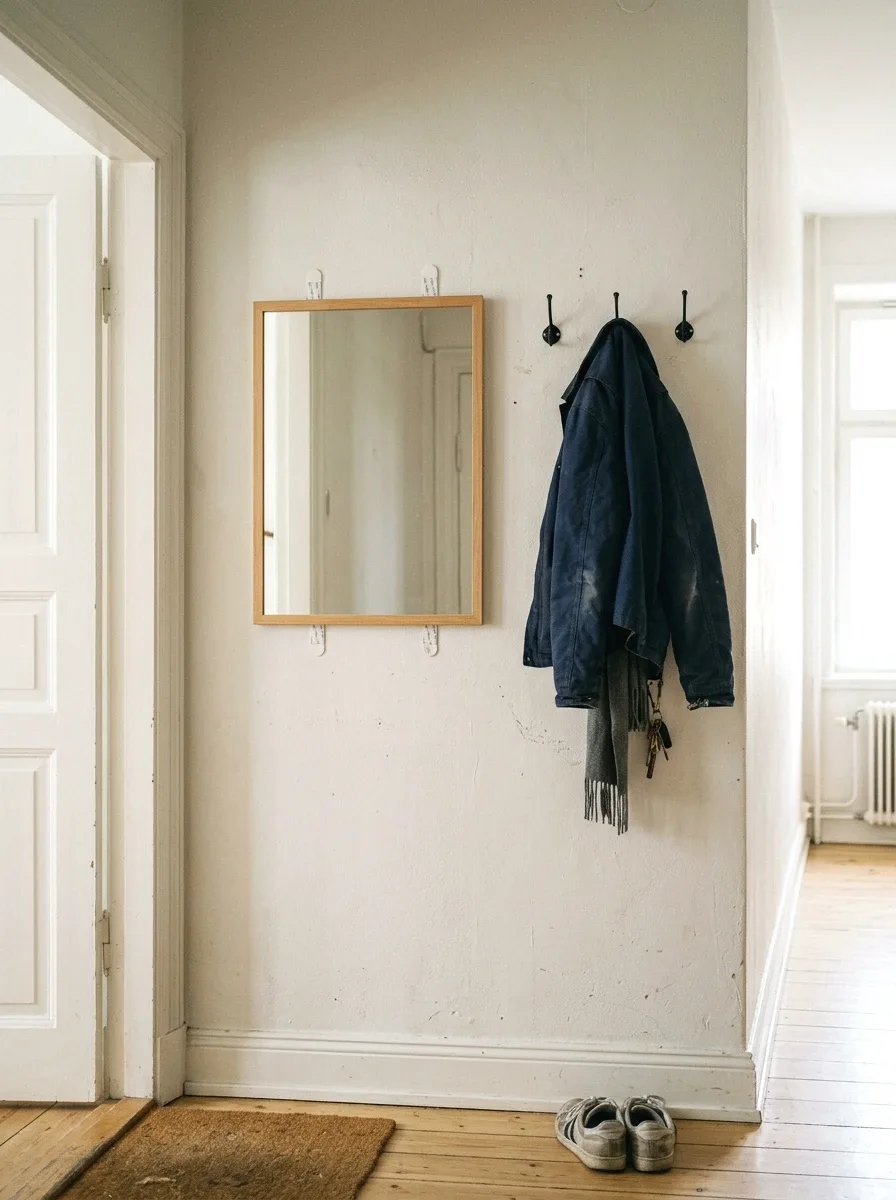
Nail holes seem small until you’re staring at fifteen of them on move-out day. Removable hooks and Command strips hold up to 16 pounds now, which covers most mirrors, art, and light shelving.
Check the weight rating on the package, because a heavy mirror needs the stronger strips, not the basic ones. (this one is so underrated) For anything heavier, like a TV mount, ask your landlord about approved anchor points first. It saves you a chunk of your deposit later.
6. Underestimating Utility and Setup Costs
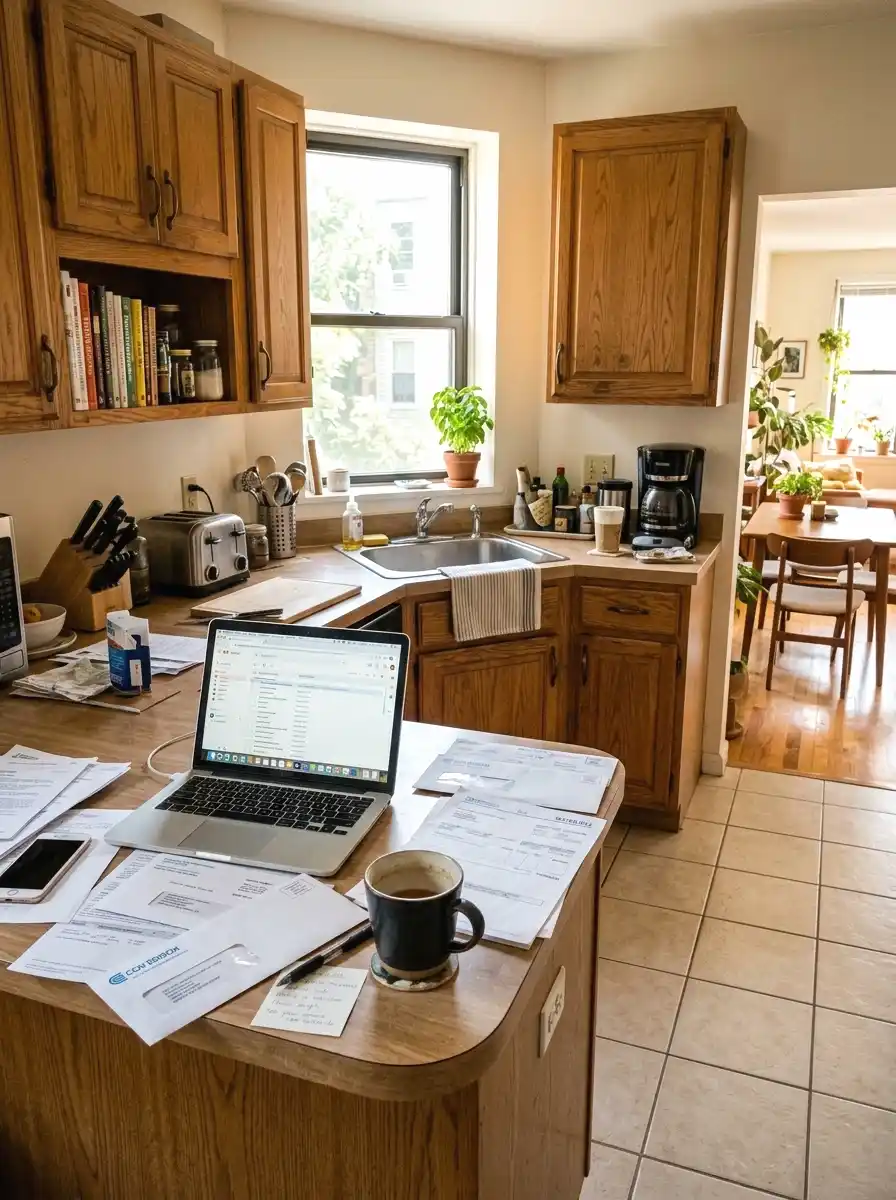
The rent number isn’t the whole story. Setting up electric, internet, and sometimes water can run $150 to $300 upfront between deposits and installation fees, and that’s before your first monthly bill shows up.
Call providers before move-in day to compare prices and ask about any deposit waivers for good credit. Budget an extra $250 in your first month specifically for setup costs. Most people don’t plan for this and end up short on cash the week they move in.
7. Ignoring Storage Before You Need It
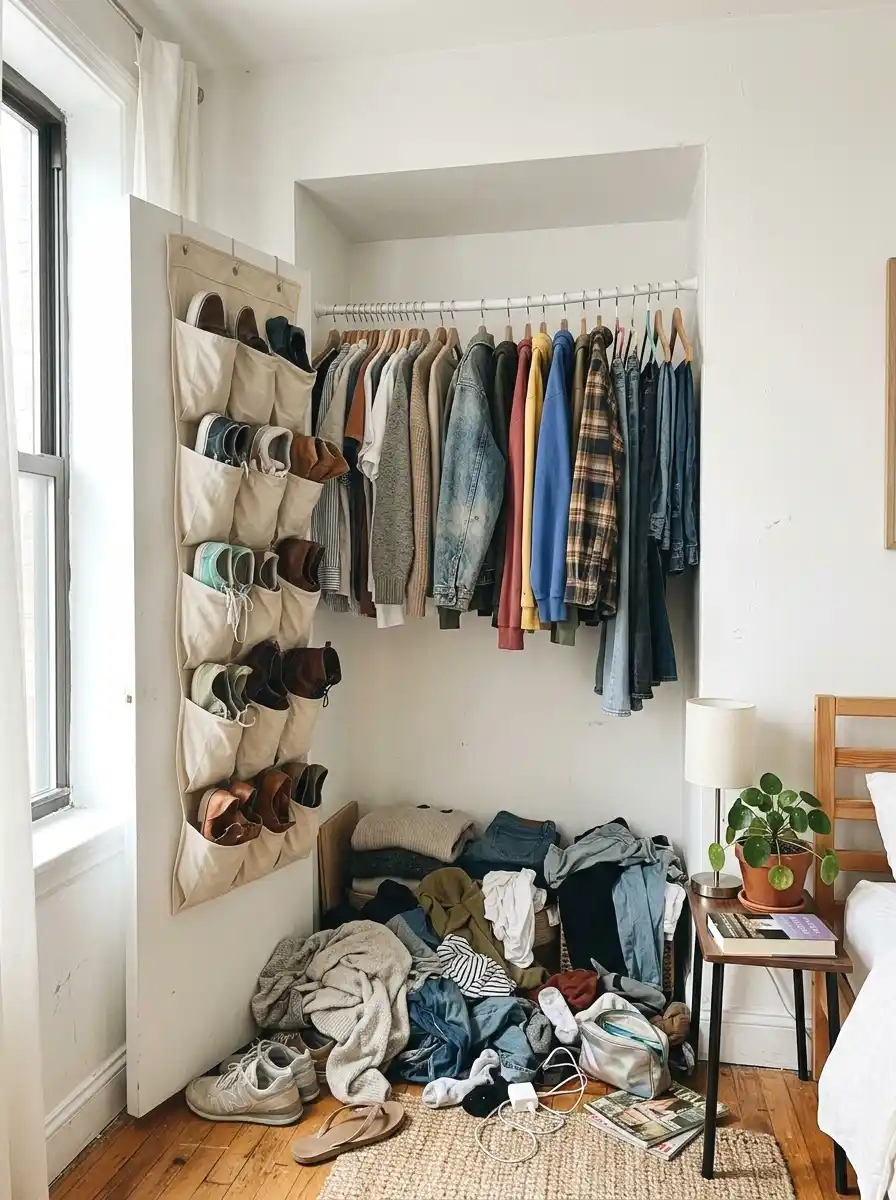
You unpack the kitchen and realize there’s nowhere to put anything. Renter-safe storage should be one of the first things you plan, not something you figure out later.
Over-the-door organizers and tension rods cost $15 to $30 at Target and don’t require any drilling. Closet systems from IKEA start around $60 and use tension mounts instead of screws. Plan your storage before your stuff shows up, not after it’s already in a pile.
More Ideas:
8. Buying Too Much Furniture Too Fast
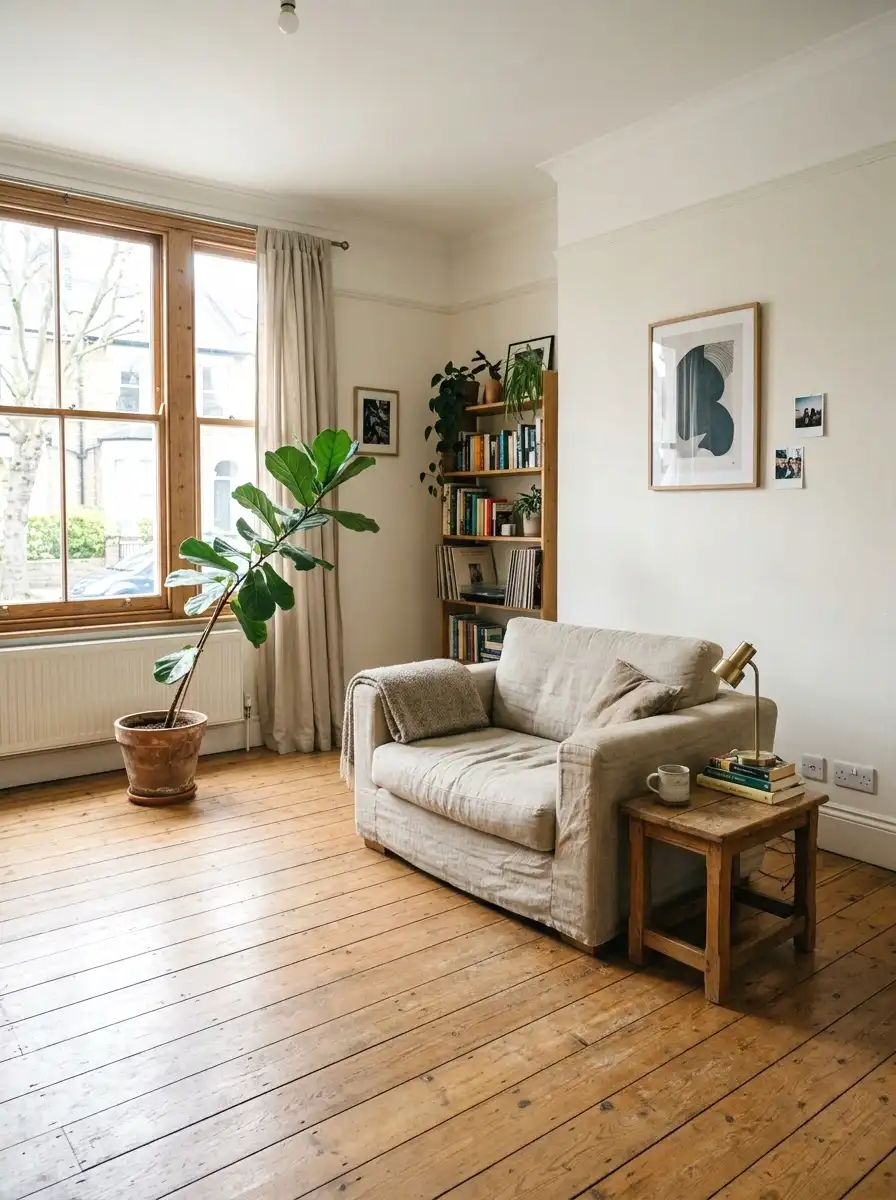
I made this mistake myself. I bought a full living room set in week one and realized half of it didn’t fit how I actually used the space. Buy one room at a time and live in it for two weeks before adding more.
Start with a bed, a couch, and one table. That covers the basics for under $500 if you shop secondhand or check Facebook Marketplace first. Wait on the rest until you know what you’re missing, since guessing wastes money you can’t easily get back.
9. Forgetting to Check for Drafts and Energy Leaks
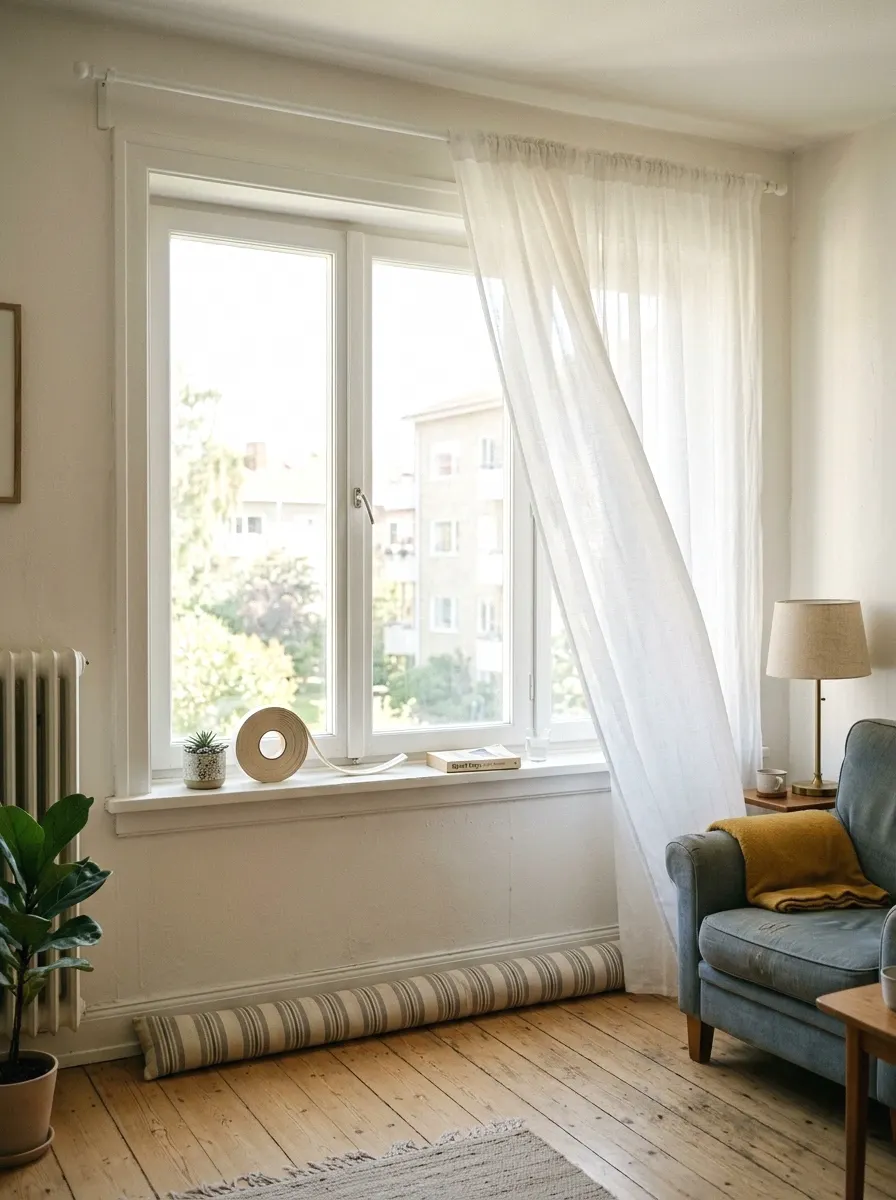
Old windows and doors leak more heat than people expect, and that shows up on your first energy bill. An energy efficient apartment saves real money, but a lot of first apartments aren’t built that way.
Draft stoppers cost $10 to $15 at Home Depot and go under doors in minutes. Weatherstripping tape for windows runs about $8 a roll. Check for cold spots near windows in the first week so you catch the problem before winter hits your bill hard.
10. Not Reading the Lease Renewal Terms
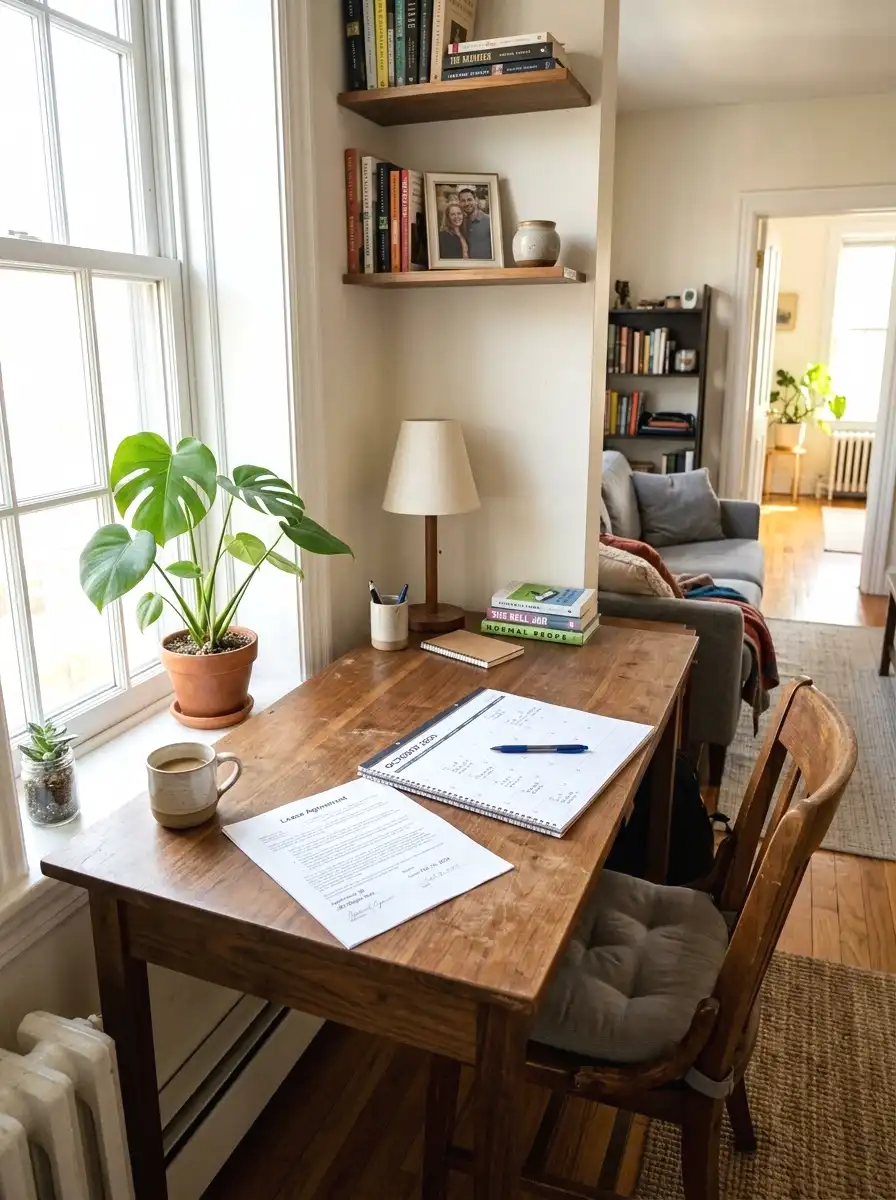
You sign the lease, shove it in a drawer, and forget about it. But renewal terms often include rent increases that kick in automatically if you don’t respond by a certain date.
Mark your calendar 60 days before your lease ends so you have time to negotiate or plan a move. Some landlords will hold your rate if you ask early, which protects your budget for another year. Missing this deadline is one of those first apartment mistakes that quietly costs the most.
More Ideas:
11. Going Minimalist Out of Necessity, Not Choice
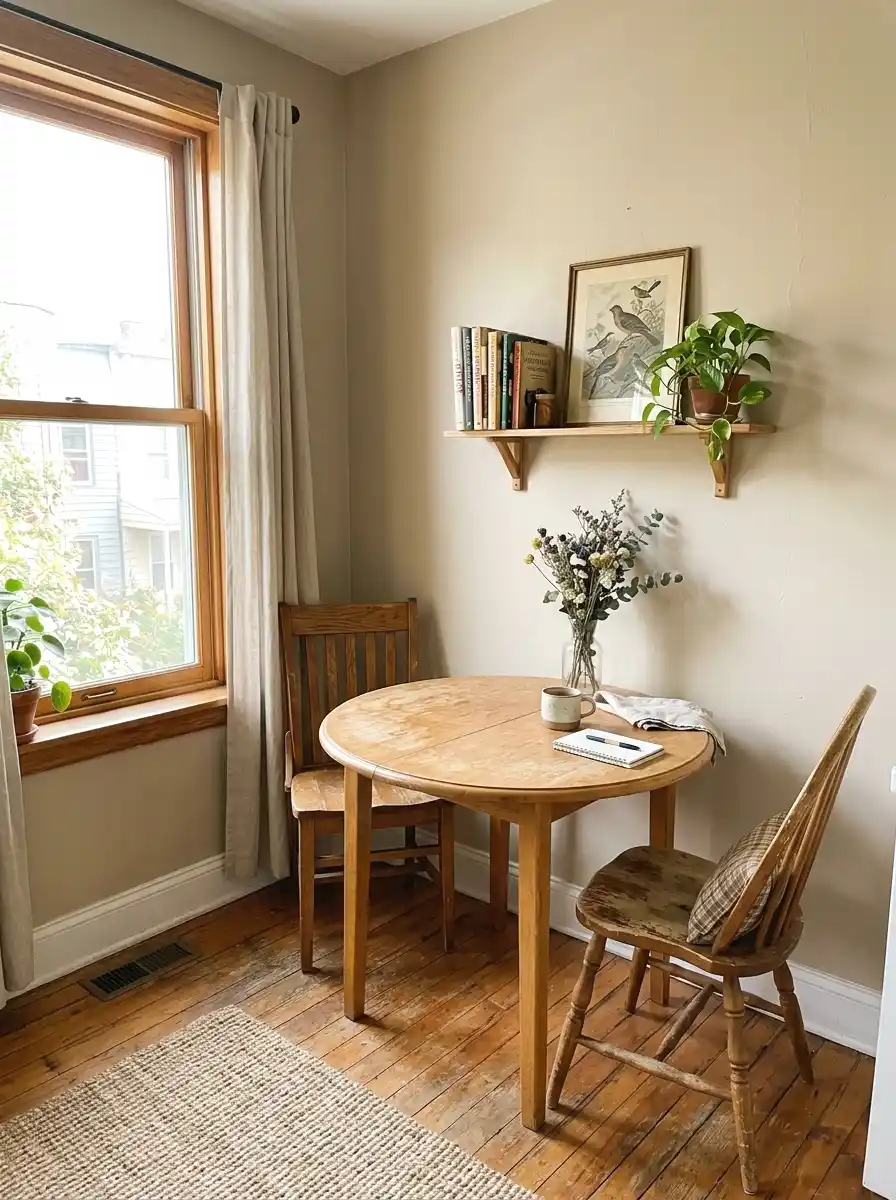
There’s a difference between wanting a minimalist space and just not having furniture yet. If you’re calling it a design choice because you can’t afford a table, be honest with yourself about that.
A basic dining set from Amazon or Wayfair runs $150 to $250, and secondhand ones on Marketplace go for half that. Fill in the actual gaps first, then decide later if you like the clean, sparse look on purpose. Function over the label.
12. Not Childproofing Cords and Outlets for Smart Home Setups
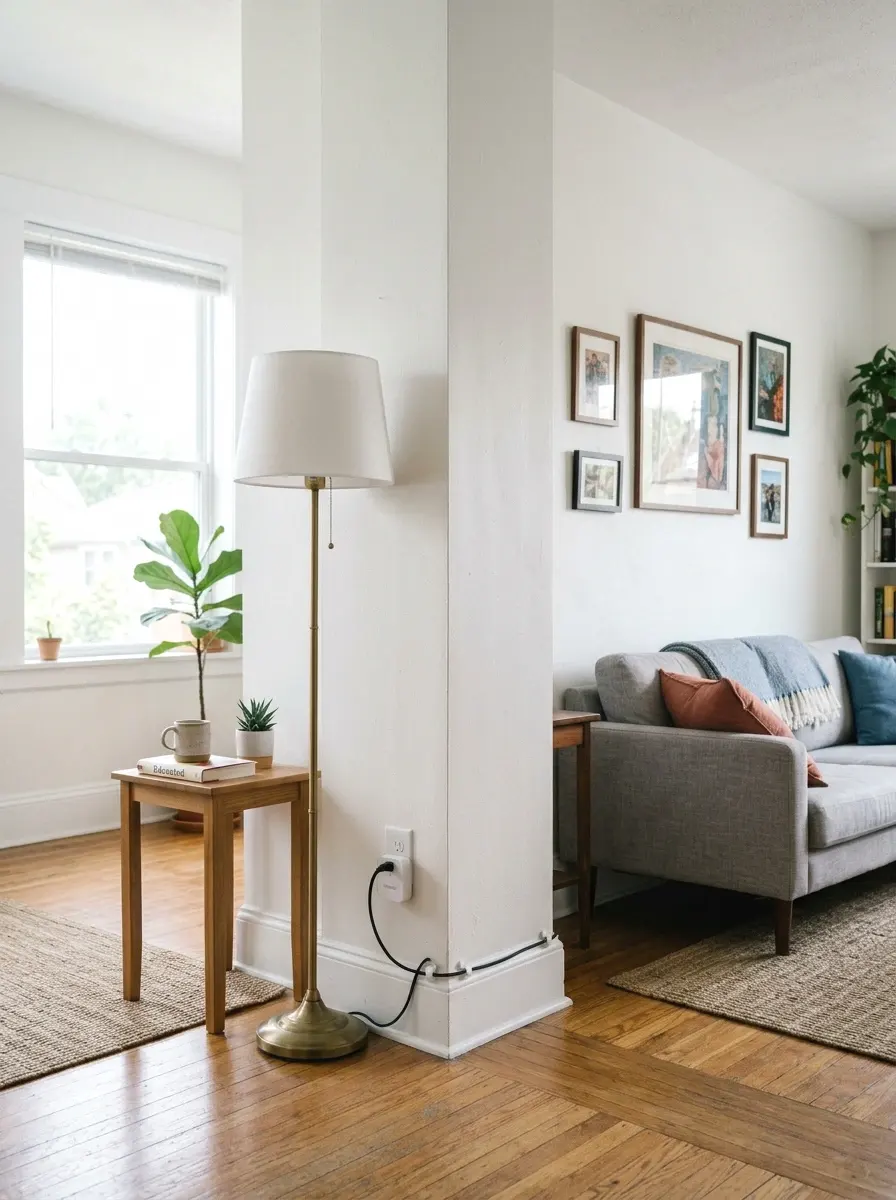
If you’re adding a smart home setup, and a lot of new renters do, loose cords and open outlets are the first thing to fix. Cord clips cost $8 for a pack of twenty and keep everything tucked along the baseboard instead of across the floor.
Smart plugs run $10 to $15 each and let you control lamps without rewiring anything, which matters since renters can’t touch the actual wiring. Set these up in week one, not after you trip over a cord for the third time. It’s a small fix that prevents a real problem.
13. Skipping Pest Prevention Until There’s a Problem
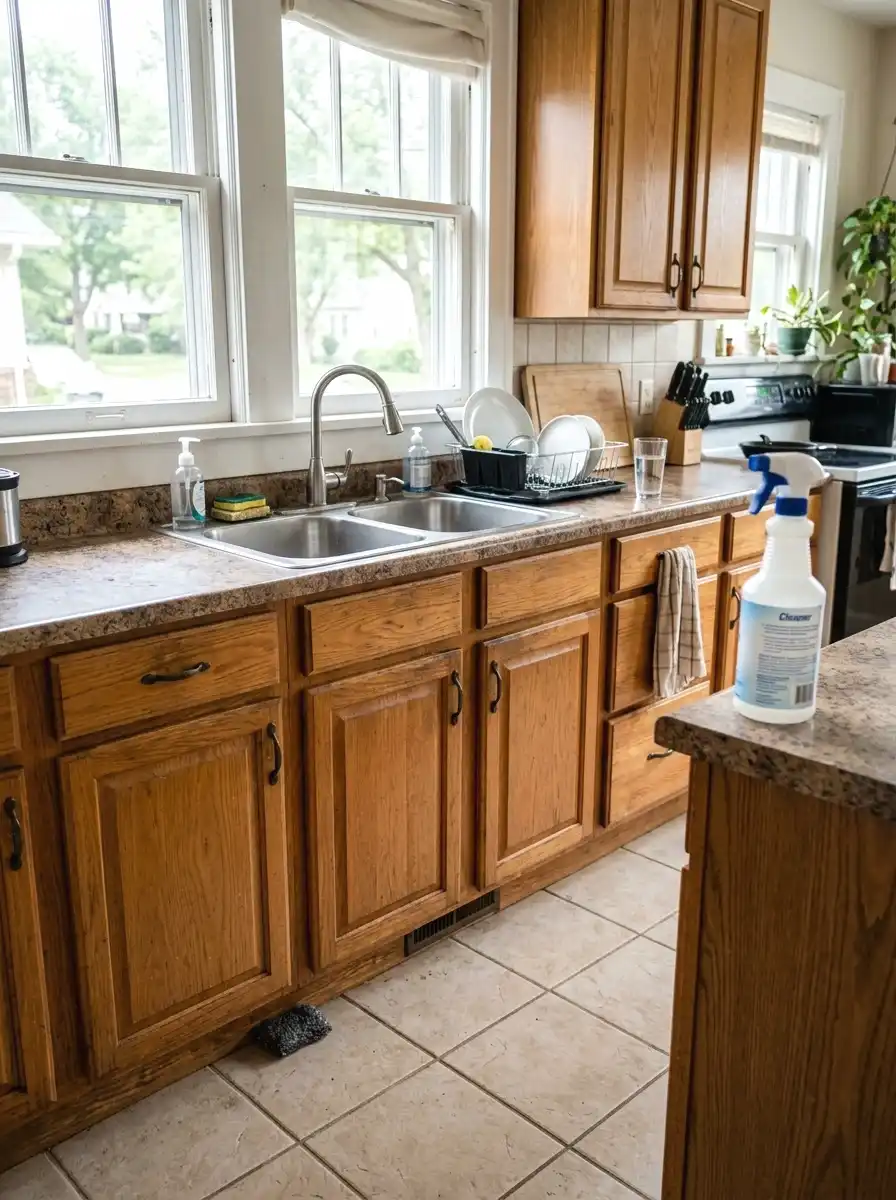
Waiting until you see a bug to deal with pests is a mistake I made in my own first place. Prevention costs almost nothing compared to what an infestation costs later, both in money and in stress.
Peppermint oil spray and steel wool for gaps under $10 combined at Home Depot. Check under sinks and around baseboards in week one. If you do see something, report it to your landlord in writing right away, since pest control is usually their responsibility, not yours.
14. Not Thinking About Resale or Furniture Reuse Later
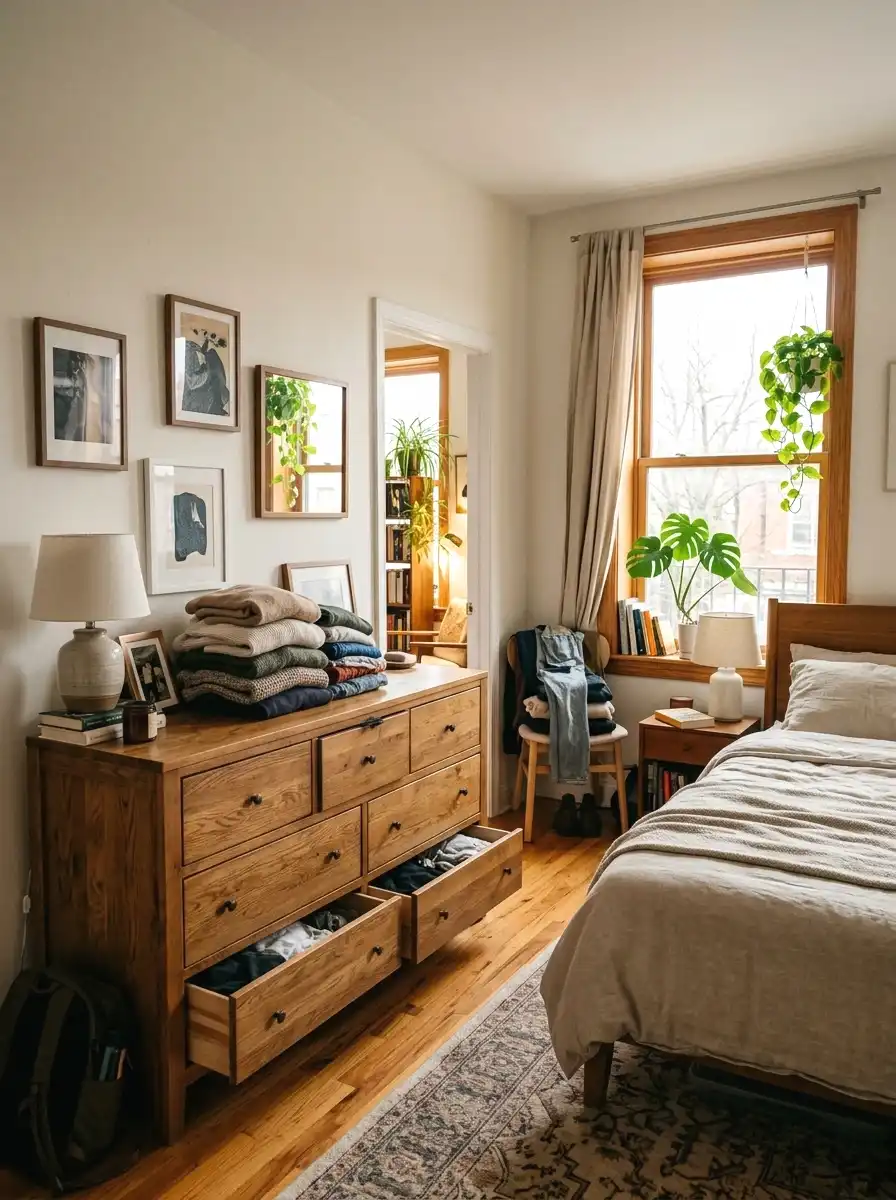
You might think buying cheap now saves money, but furniture that falls apart in a year costs more over time than one solid piece. Think about resale value even for a first apartment. Good secondhand furniture holds value better than particleboard pieces.
Check the joints and materials before buying, oak and solid wood hold up and resell for more later. A $200 dresser in good shape might sell for $100 when you move, while a $60 particleboard one sells for nothing. Buy with your next move in mind, not just this one.
More Ideas:
Final Thoughts on First Apartment Mistakes
You now know where the real costs hide, from your deposit to your first energy bill to furniture that won’t survive the next move. Most of these mistakes aren’t about taste, they’re about timing and a little planning up front. That’s genuinely doable on a $100 to $500 budget.
Start with the walkthrough photos and the lease renewal date. Both take ten minutes and protect you the most. Do those this week before anything else.
If you want more ideas like this, homelypop.com has a lot more where this came from.