

How to Declutter and Design a Minimalist Dorm Room in a Small Space

Most minimalist dorm rooms measure less than 150 square feet, yet students often bring enough stuff for a full apartment. This leads to piles on the floor and no clear spot to study.
A minimalist setup solves that by keeping only useful items in smart spots.
You end up with a calm room that feels bigger and stays easy to clean.
This guide shows exact steps to sort belongings, pick colors, add storage, and build daily habits. Follow along to create a space ready for classes and rest.
1. Start with a Clean Slate
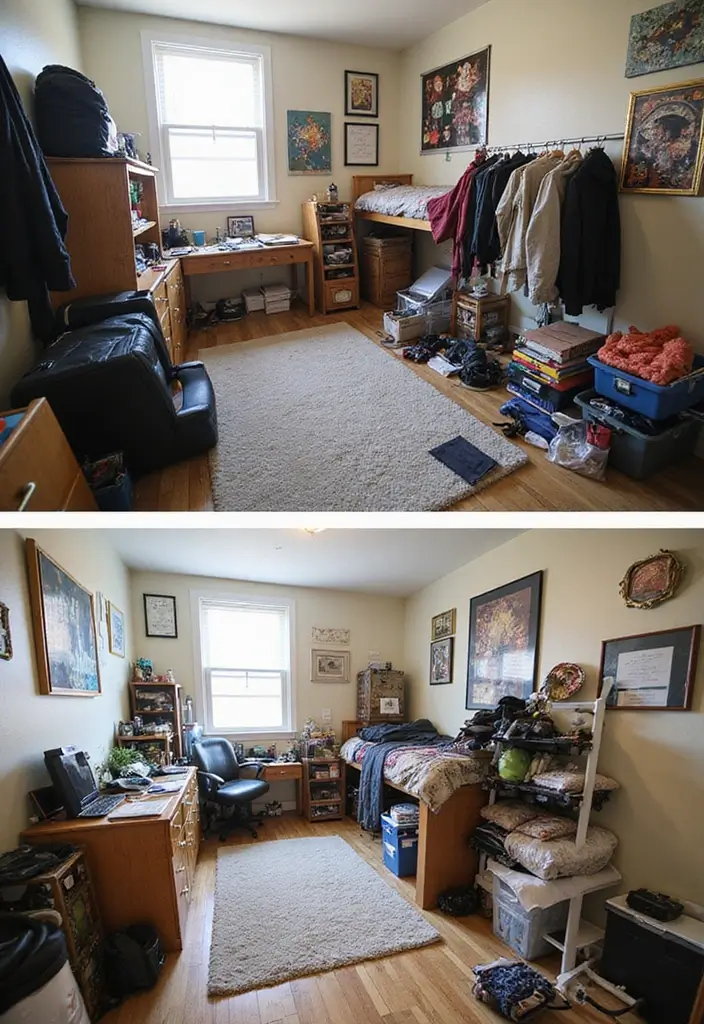
Extra items hide the real size of your room and make it hard to move. Start by removing everything to see open floors and shelves. This full clear-out helps you spot duplicates and unused things.
Sort items into clear groups right away. Work one category at a time, like clothes or books. Decide quickly on each piece to avoid second-guessing. Box up give-away items the same day.
- Pull all clothes from drawers and closet.
- Ask if you wore each piece last term.
- Fold keep items into one neat stack.
- Bag extras for donation.
- Finish one area before the next.
2. Choose a Neutral Color Palette
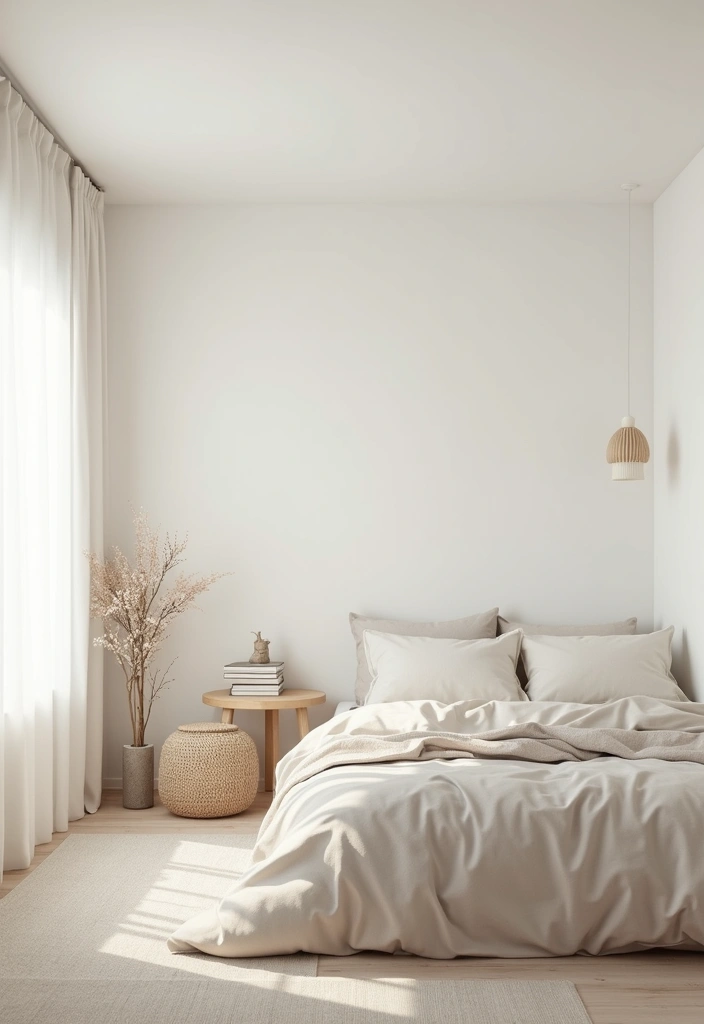
Bright or dark colors close in a small room and show every mark. Neutral shades like white or light gray reflect light and hide small scuffs. They create a base that matches any accent.
Swap bedding and curtains to two matching shades. Add wood tones for warmth without clutter. Hang a mirror to spread daylight further.
- Pick white sheets and light gray towels.
- Use black frames for one photo.
- Add a beige throw on the bed.
- Place a large mirror opposite the window.
- Check dorm rules for wall covers
More Ideas:


3. Invest in Multifunctional Furniture
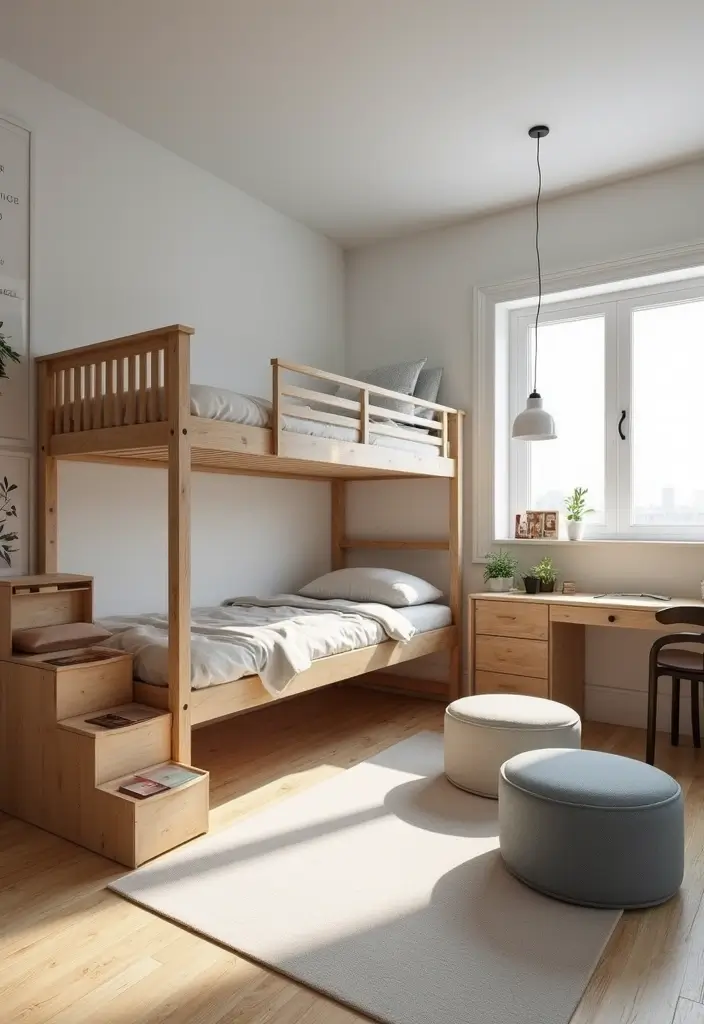
Single-use pieces waste floor area in tight dorms. Items that store and seat or sleep and study fit more into less space. They keep surfaces open for daily tasks.
Measure your room first, then select raised beds or foldable desks. Choose sturdy materials that handle weight. Set up with a friend for safety.
- Loft bed with desk below.
- Ottoman that holds blankets inside.
- Wall desk that folds flat.
- Stack stools under the bed.
- Test legs on even ground.
4. Smart Storage Solutions
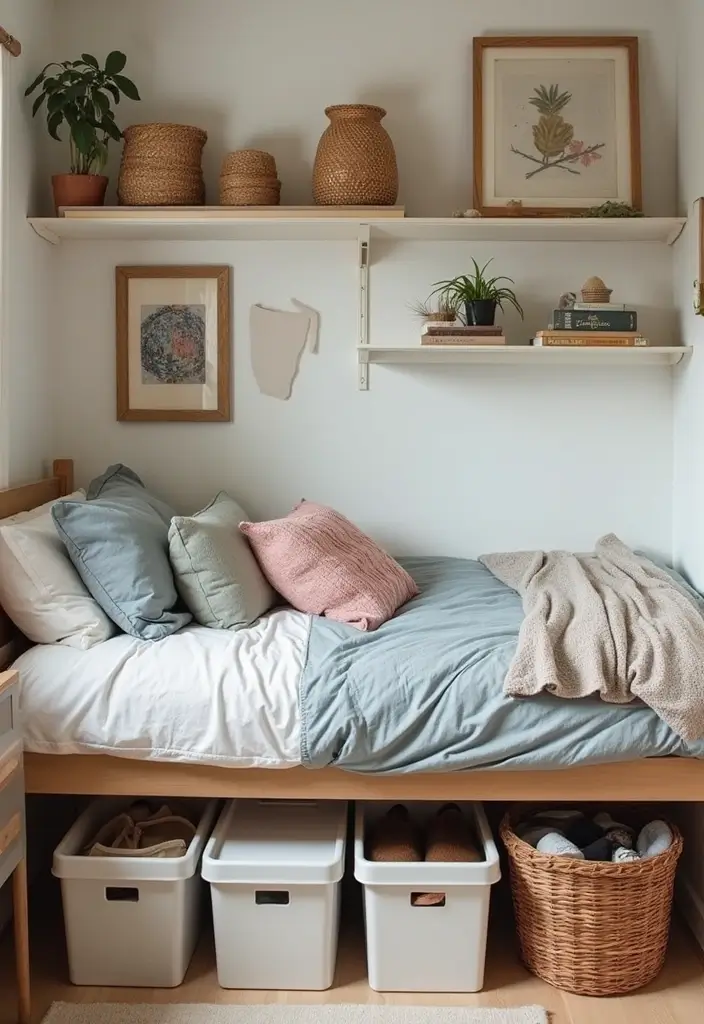
Visible clutter shrinks usable area fast. Hidden bins and pockets keep items ready but out of sight. They turn closets and under-bed spots into organized zones.
Measure gaps before buying containers. Slide rolling bins under raised beds. Hang pockets inside doors for quick grab items.
- Roll bins for off-season clothes.
- Divide drawers with plastic inserts.
- Hang shoe pockets on closet door.
- Label bin fronts clearly.
- Wipe containers when dusty.
5. Embrace Minimalist Decor
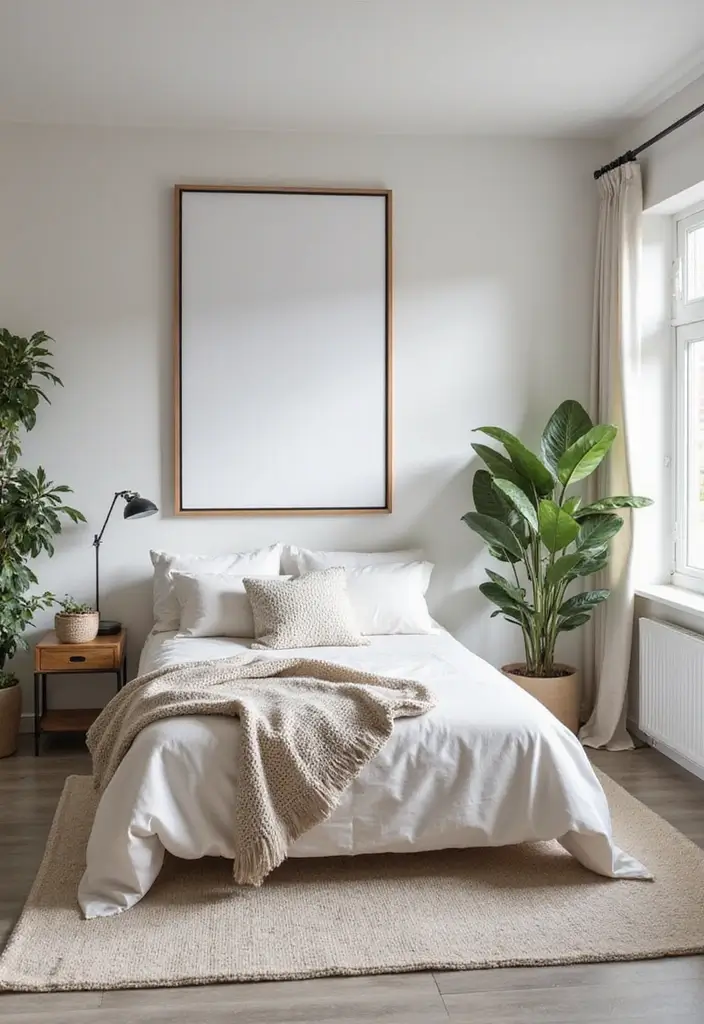
Too many wall items crowd sight lines in small rooms. A few chosen pieces add style without overload. They keep focus on function over display.
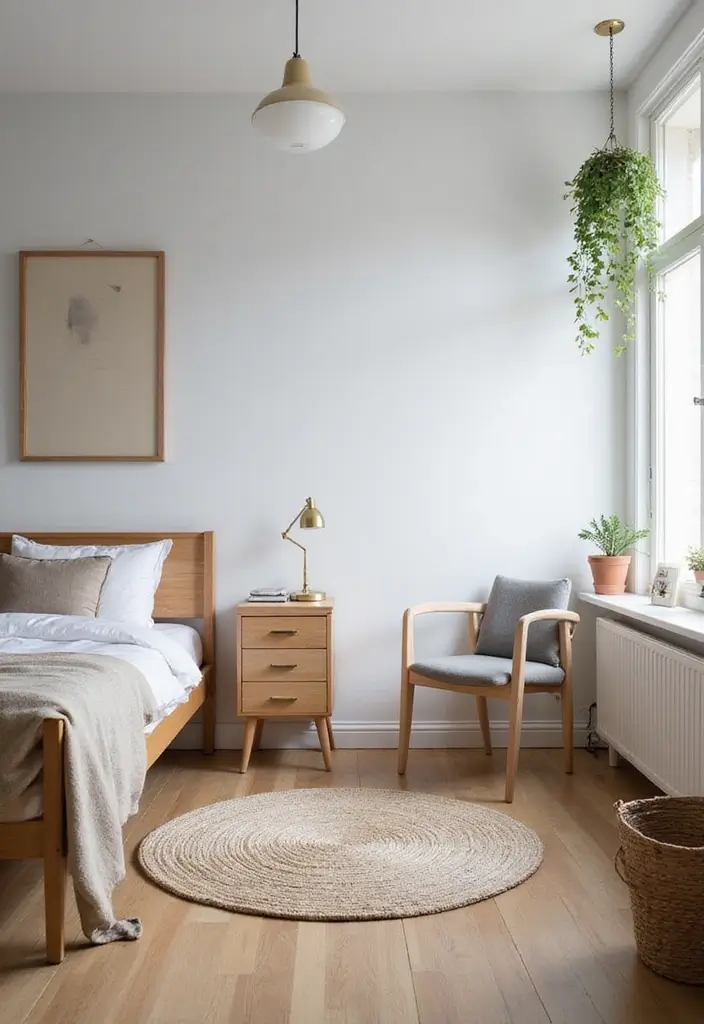
Select one large art print or a simple rug. Center it for balance. Use removable hooks to avoid wall damage.
- Hang one poster at eye level.
- Lay a solid color rug under the bed.
- Add one plant in a white pot.
- Lean a mirror against the wall.
- Rotate items each term.
6. Use Vertical Space Wisely
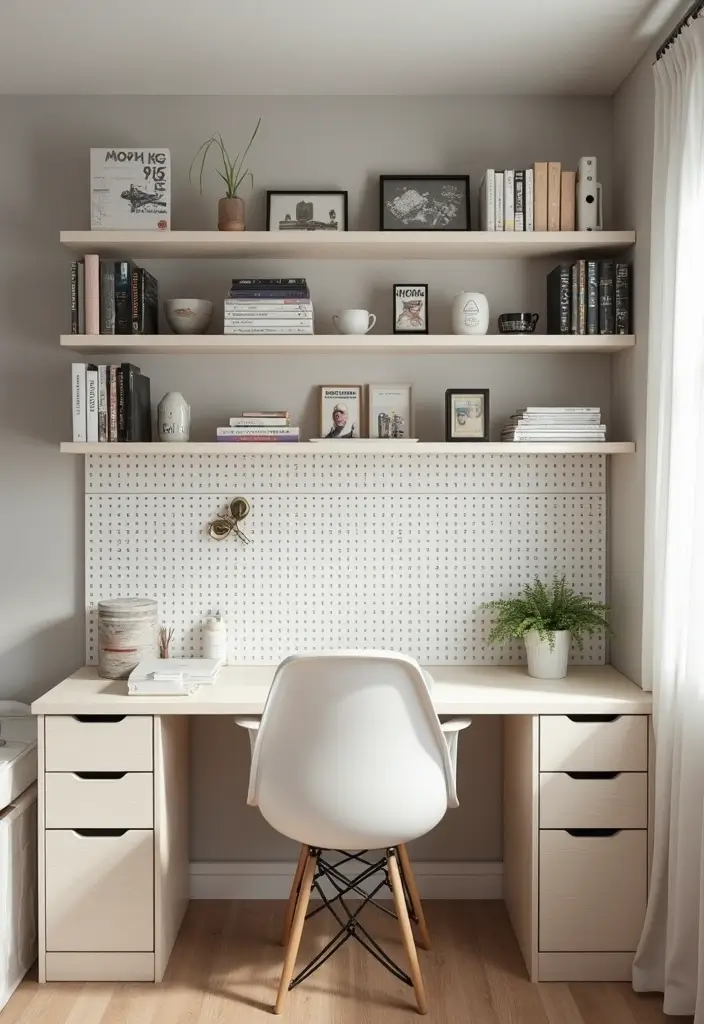
Floor space runs out quick, but walls go up high. Shelves and hooks lift books and bags off the ground. This opens walking paths and desk areas.
Mark wall spots level before mounting. Use strong strips rated for weight. Space items evenly to avoid tilt.
- Float shelves above the desk.
- Add hooks for backpacks.
- Install tension rod in closet.
- Stagger shelf heights.
- Load under ten pounds each
More Ideas:
7. Keep Surfaces Clear
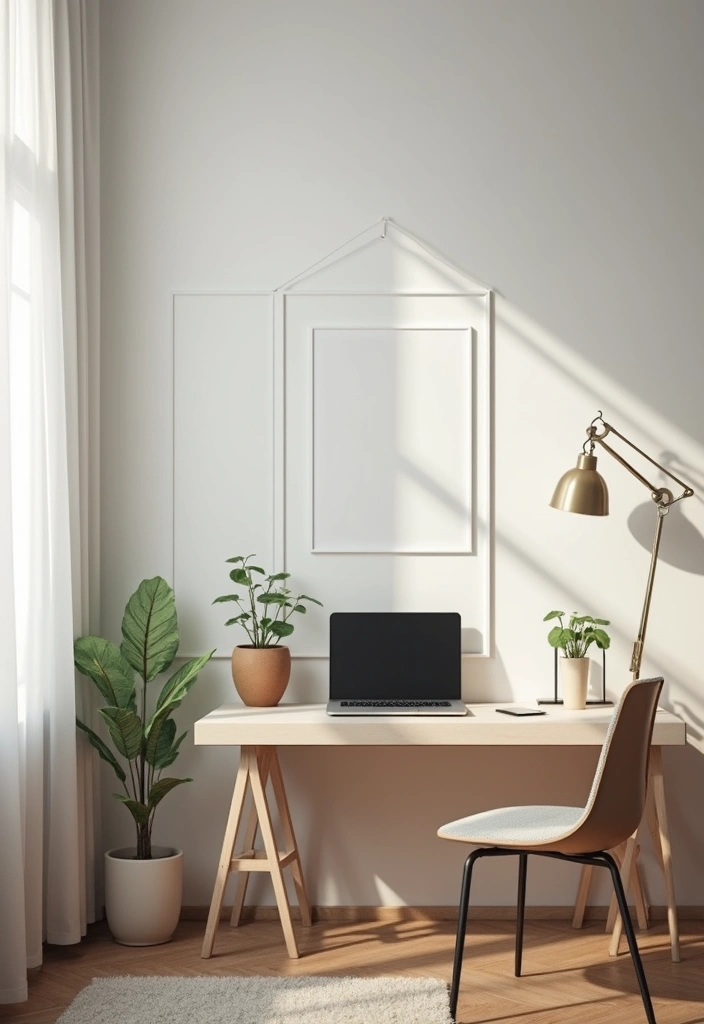
Cluttered desks block work and collect dust. Empty tops stay ready for books or laptops. A quick nightly reset maintains order.
Return items to bins after use. Group small tools in one tray. Wipe flat areas daily.
- Clear desk at night.
- Use one tray for charger and keys.
- Return books to shelf.
- Wipe with damp cloth.
- Limit desk to five items.
8. Personalize with Intent
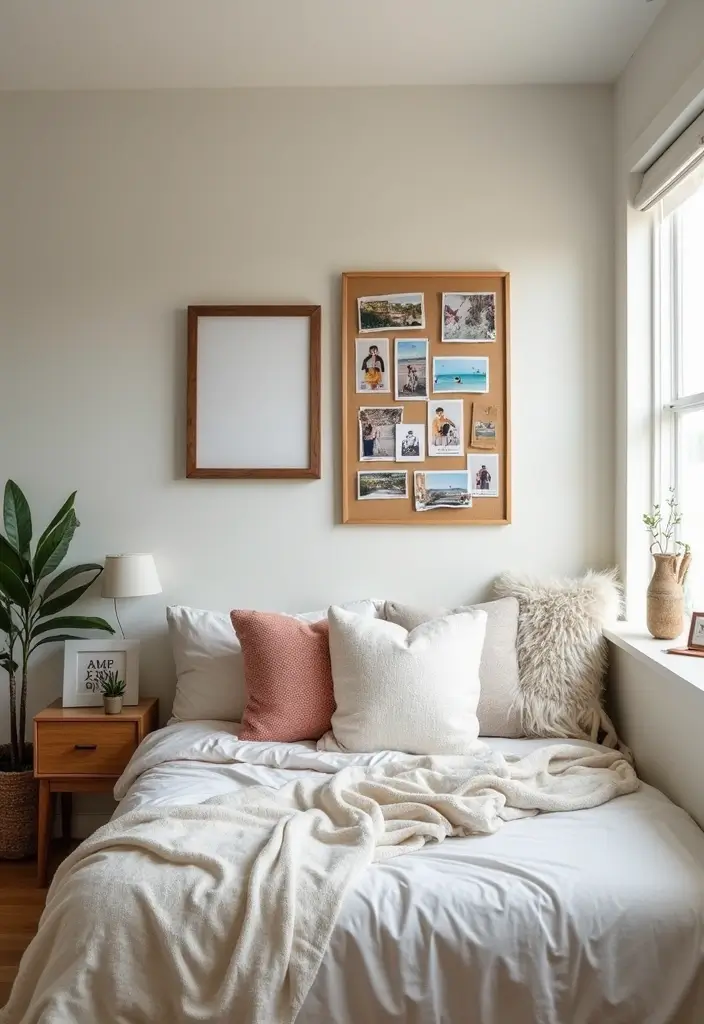
Blank rooms feel cold, but random items add mess. One or two meaningful pieces bring warmth. They show your style without extra bulk.
Choose items tied to memories or hobbies. Place them where you see them daily. Swap if they lose meaning.
- Frame one family photo.
- Display a favorite mug.
- String short battery lights.
- Add a small cork strip.
- Replace one for any new.
9. Limit the Number of Accessories
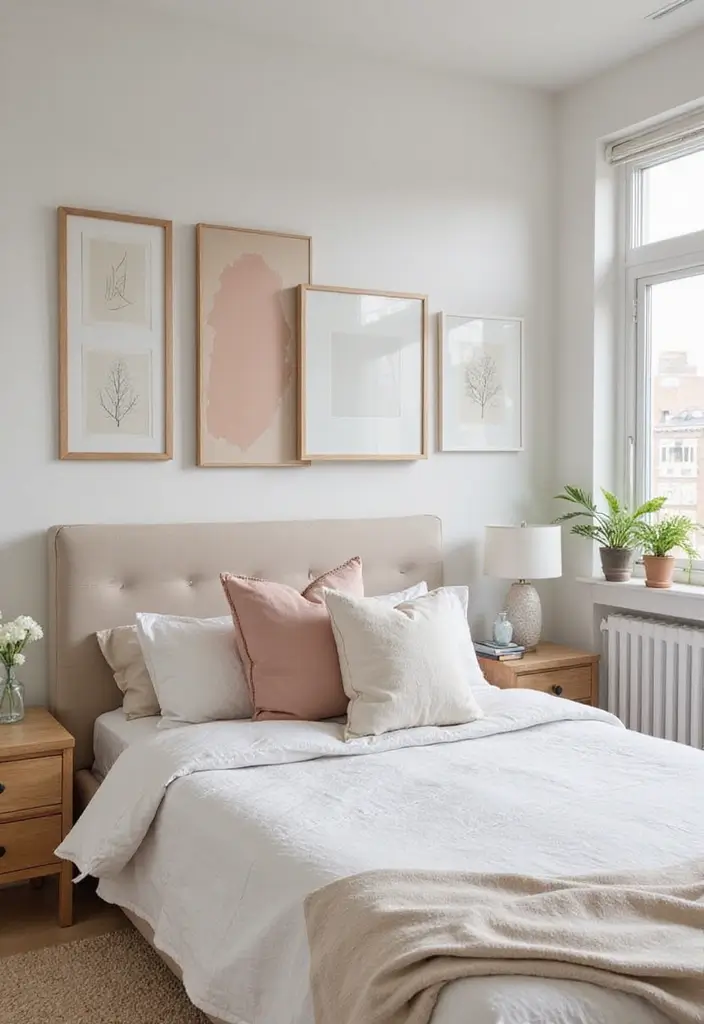
Extra small items pile up fast and need constant dusting. A set count keeps display simple. Audit often to stay under limit.
Count all visible pieces room-wide. Remove one if over ten. Store extras out of sight.
- Bed: two pillows, one blanket.
- Desk: lamp, pen cup.
- Wall: one art, one mirror.
- Shelf: three books max.
- Check count monthly.
10. Establish a Cleaning Routine
A set schedule stops dirt buildup in shared tight spaces. Short daily tasks take little time. Weekly sweeps keep the room fresh.
Pick fixed days for wipe-downs and vacuum. Use simple tools that store easy. Share jobs if you have a roommate.
- Wipe surfaces Monday.
- Vacuum Thursday.
- Sort laundry Sunday.
- Dust shelves weekly.
- Play short music timer.
Conclusion
Clear steps turn a crowded dorm into a useful calm spot. Sort first, add smart pieces, and stick to habits. Your room stays ready for study and sleep all year.


