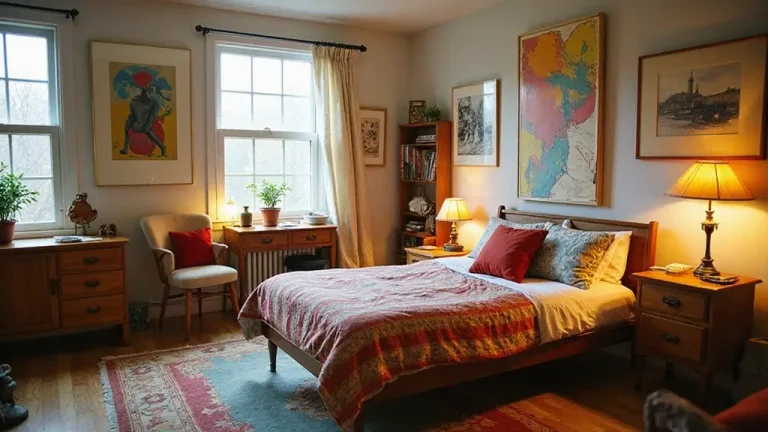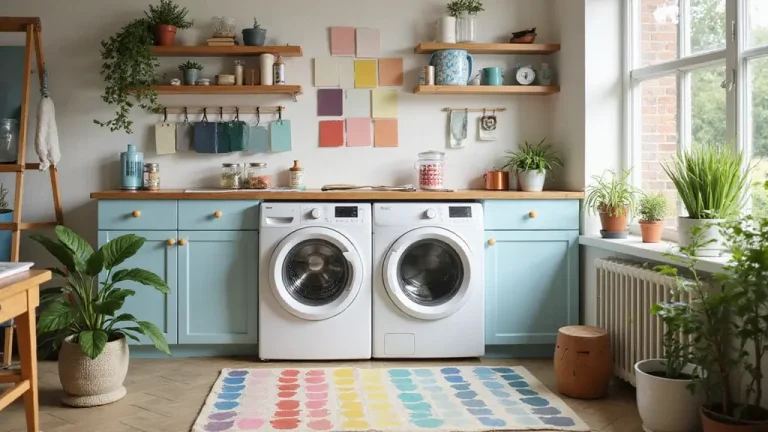

23 Apartment Decor for Single Women With Cats | Stylish and Cat-Proof Ideas

You keep buying nice things for your apartment and your cat keeps destroying them within a week. That’s the loop you’re stuck in right now, and it’s exhausting.
This guide covers 23 ideas that actually hold up to cat life, split across furniture, fabric choices, plants, and layout tricks. Everything falls in the $100–$500 range, and each pick made the list because real cat owners tested it and said it worked.
This is for renters and owners with one or two cats on a normal budget. It’s not for anyone chasing a magazine-perfect living room. You can still get a space that looks put together.
By the end, you’ll know exactly what to buy, what to skip, and how to make your apartment feel like yours, cat included.
What to Know Before You Start Decorating With a Cat Around
- Cats scratch fabric with a loose weave first, so tight weaves last longer
- Plan your layout before buying furniture, not after
- Budget $150–$300 for a scratching post that actually gets used
- Most people forget to cat-proof cords until day one
- A common mistake is buying light fabric and regretting it fast
- Keep essential oil diffusers away from cats completely, it’s a safety issue
- Washable slipcovers save money over replacing furniture
1. A Tight Weave Sofa That Survives Claws
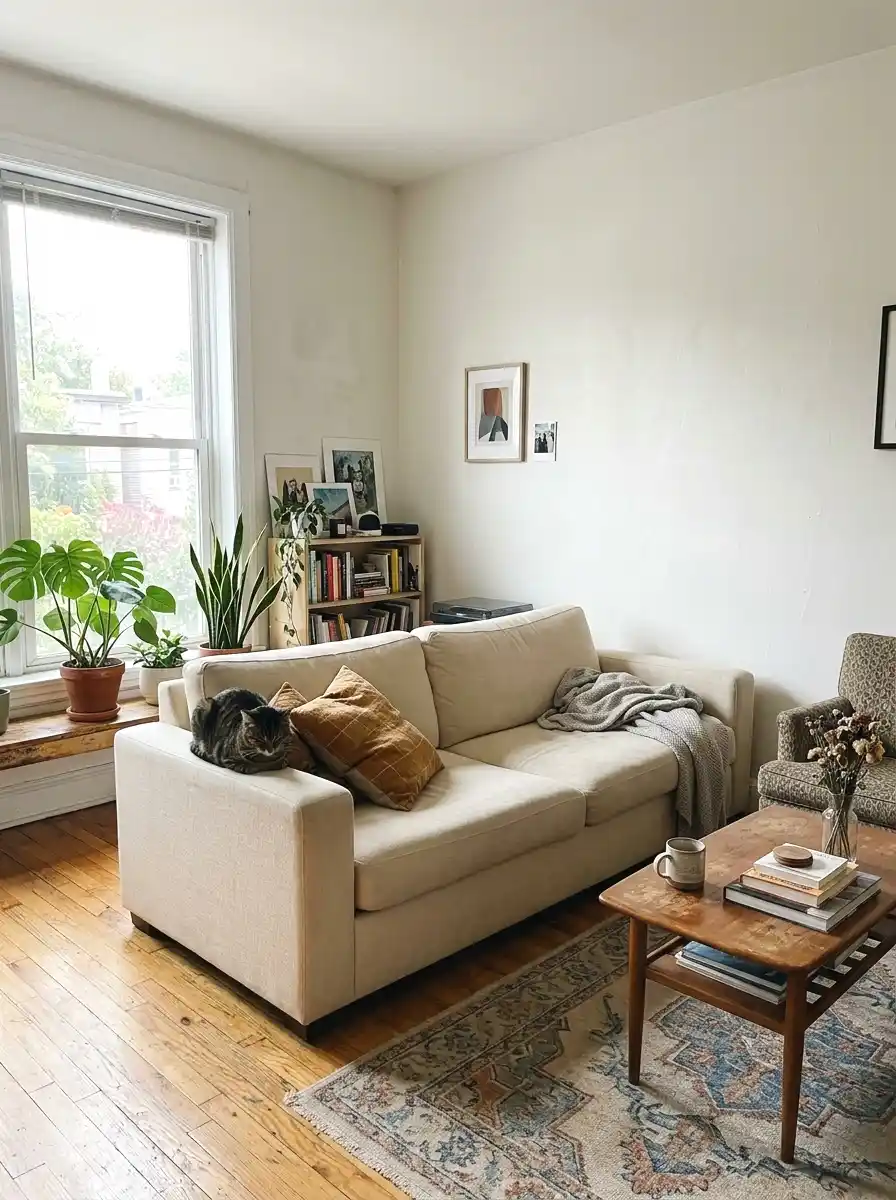
I learned this one the hard way. My first apartment sofa was a soft chenille thing, and my cat treated it like a scratching post. Six months in, the arms were shredded. Tight weave fabrics like microfiber or canvas don’t give claws anything to grip onto.
A good tight weave sofa runs $400–$500 at IKEA or Wayfair, which fits right at the top of your budget. Look for a removable, washable cover too. That’s the real upgrade. When something inevitably gets on it, you toss the cover in the wash instead of replacing the whole couch.
2. Wall-Mounted Cat Shelves Instead of a Cat Tree

You don’t need a bulky cat tree taking over your living room. Wall-mounted shelves give your cat height and a lookout spot without eating floor space. I installed three in a stair pattern near my window and it became my cat’s favorite spot in the apartment.
They run about $60–$90 for a set of three, so well under budget even paired with other items here. Renters can use adhesive strips rated for shelving instead of drilling. Just check the weight rating before you trust one with a jumping cat.
More Ideas:



3. A Boucle Accent Chair (Skip It If You Have Claws)

So here’s the thing nobody tells you. Boucle looks really nice in every Pinterest photo right now, but the looped texture is a scratching magnet. I was skeptical about warning people off it, but every cat owner I talked to backed this up.
If you love the look, save it for a chair in a room your cat doesn’t access, or add a washable throw over the seat. A boucle chair runs $250–$400 at West Elm. Otherwise, go with a leather or vinyl alternative that wipes clean and holds up to claws.
4. Washable Slipcovers on Every Soft Surface
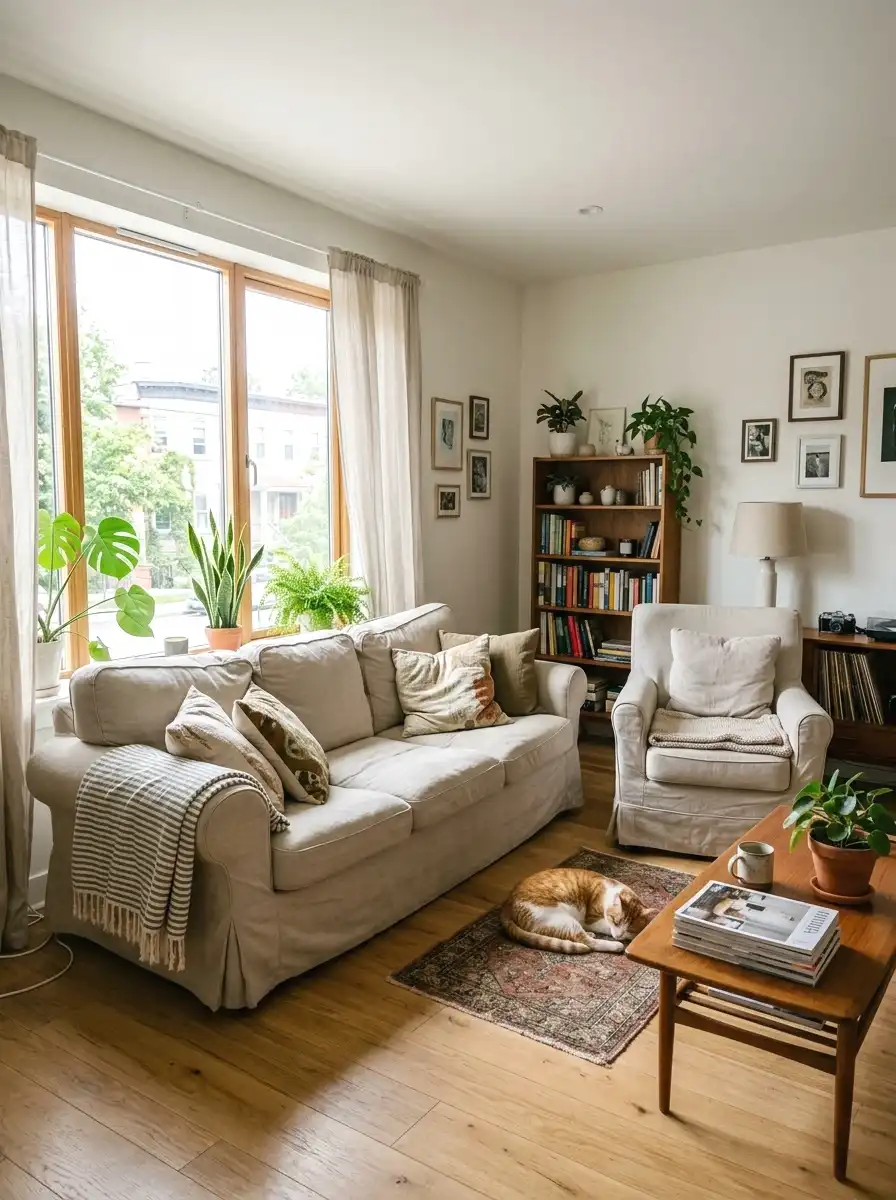
You in a hurry, a stain happens, and a washable slipcover means you’re not panicking. I put slipcovers on my sofa, an accent chair, and even a floor cushion. Total cost was under $150 for all three from Amazon.
This one small habit change saved me more money than anything else on this list. No more spot treating or replacing furniture early. Just pull the cover, wash it, put it back. My cat still tries to nap on the clean one every single time, which took me ages to figure out how to prevent.
5. Low, Sturdy Furniture Over Delicate Pieces
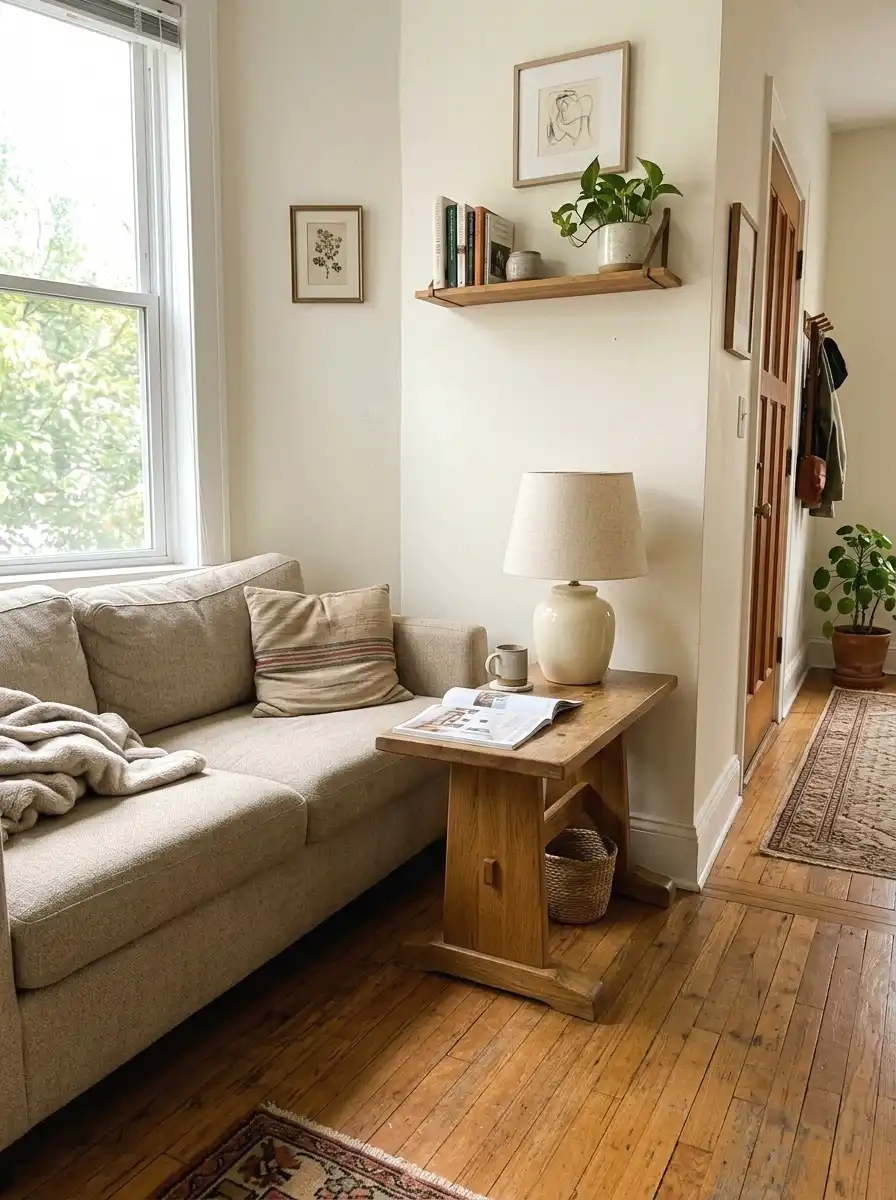
The wobbly side table look might photograph well, but a cat jumping onto a thin-legged table is a disaster waiting to happen. I switched to a solid wood side table with a wide base and haven’t had a single tipped lamp since.
Solid oak or walnut pieces cost more upfront, around $150–$250, but they hold their resale value better if you ever sell or move. Sturdy furniture is also just safer with an active cat jumping around, so it’s worth the investment either way.
6. A Litter Box Disguised as Furniture

A litter box sitting in the open never looks good, no matter how you decorate around it. Furniture-style litter box enclosures solve this by hiding the box inside a cabinet that looks like an end table. Mine sits right next to my sofa and guests never notice.
These run $120–$200 at Chewy or Amazon depending on the finish. Make sure there’s enough ventilation and room for your cat to turn around inside. It’s a small upgrade, but it changes the whole feel of a room instantly.
More Ideas:
7. Plants That Won’t Hurt Your Cat (or Get Destroyed)
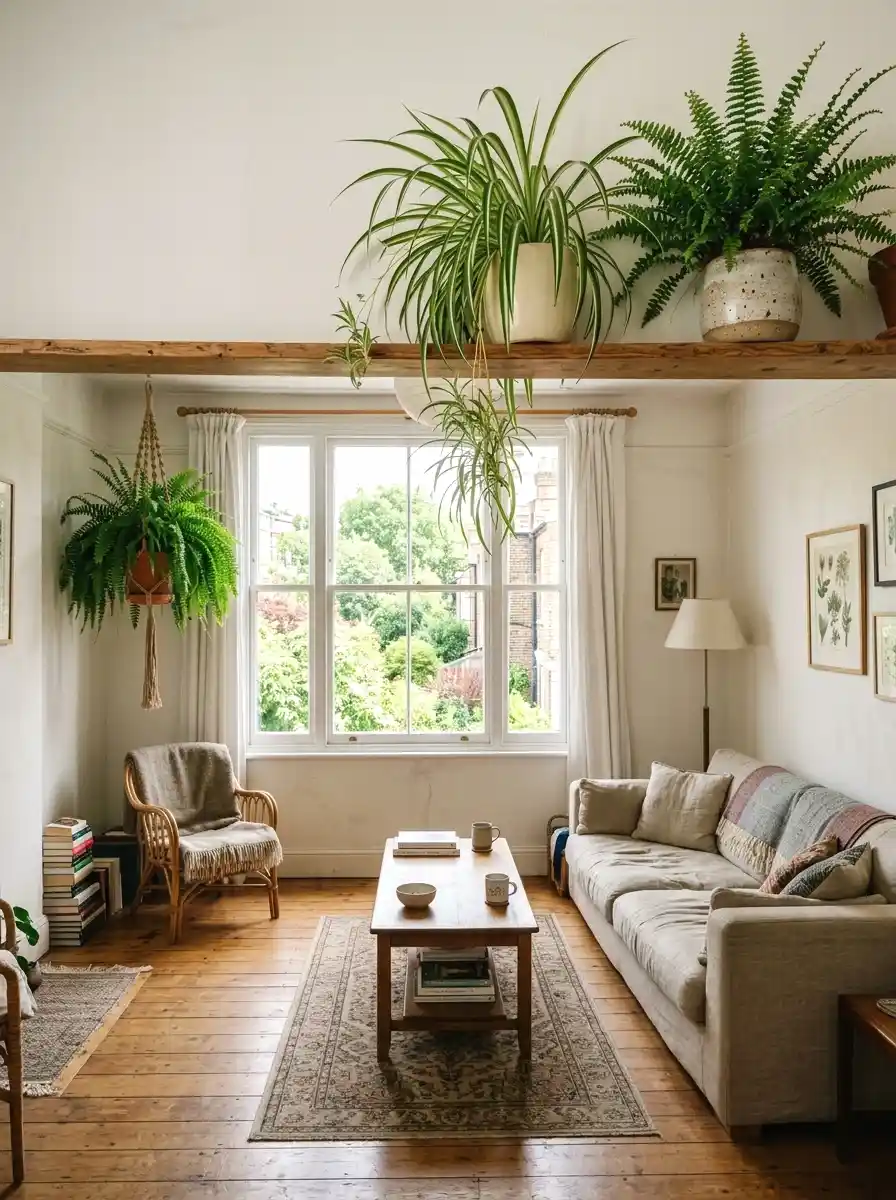
I used to buy plants without checking if they were cat safe first, which is a mistake you don’t want to repeat. Lilies, pothos, and philodendron are all toxic to cats. Spider plants, Boston ferns, and cat grass are safe bets that also survive some nibbling.
A few safe plants in nice pots cost $40–$80 total from a local nursery or Target. Put them somewhere your cat can’t easily knock over, like a hanging planter or a high shelf. This is one of those small details that surprised me, how much a plant changes a room.
8. A Removable Wallpaper Accent Wall
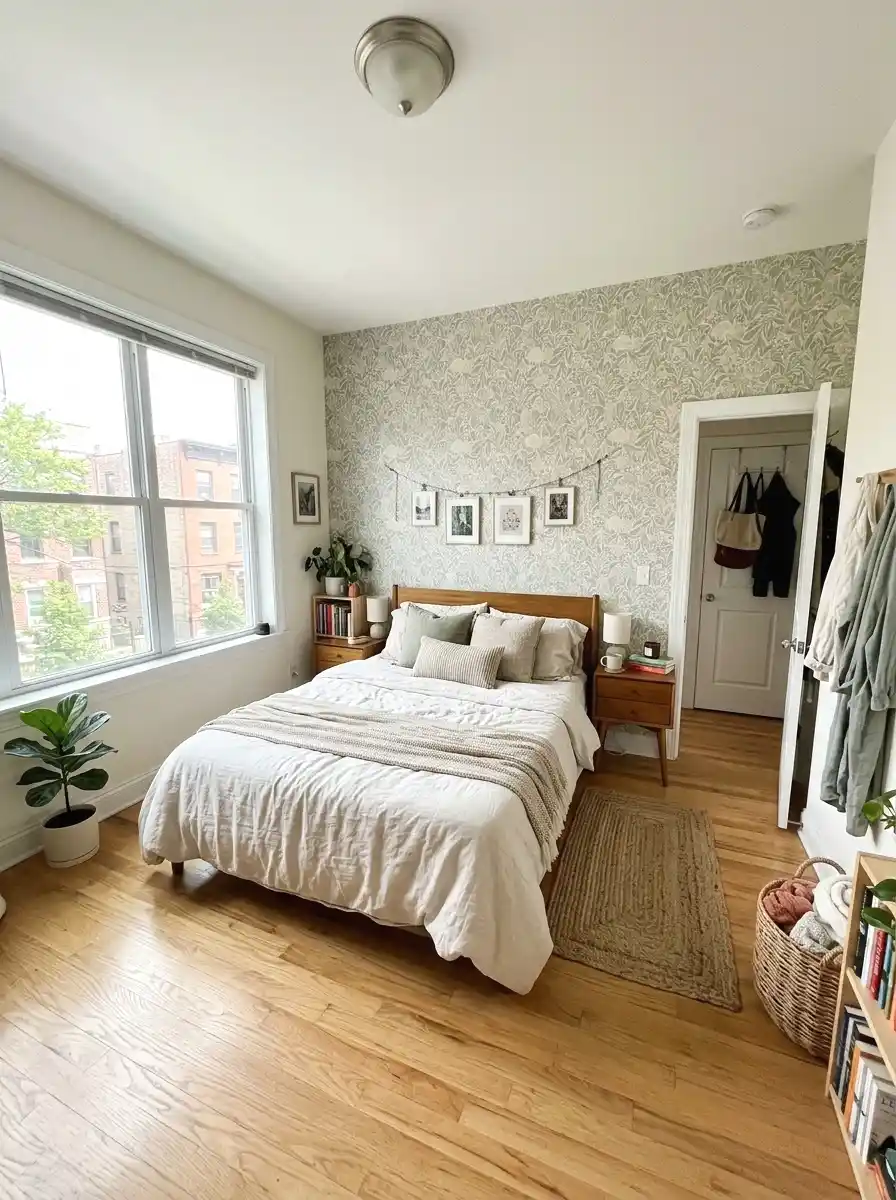
Renters assume wallpaper is off the table completely, but removable peel and stick versions exist for exactly this reason. I did one wall in my bedroom and it took an afternoon with zero damage to the wall underneath.
A roll runs $40–$70 depending on the pattern, and most rooms need two to three rolls. Keep it away from areas your cat can reach with claws, since peel and stick isn’t scratch proof. Corners and lower walls are the riskiest spots.
9. A Faux Leather Ottoman for Extra Seating
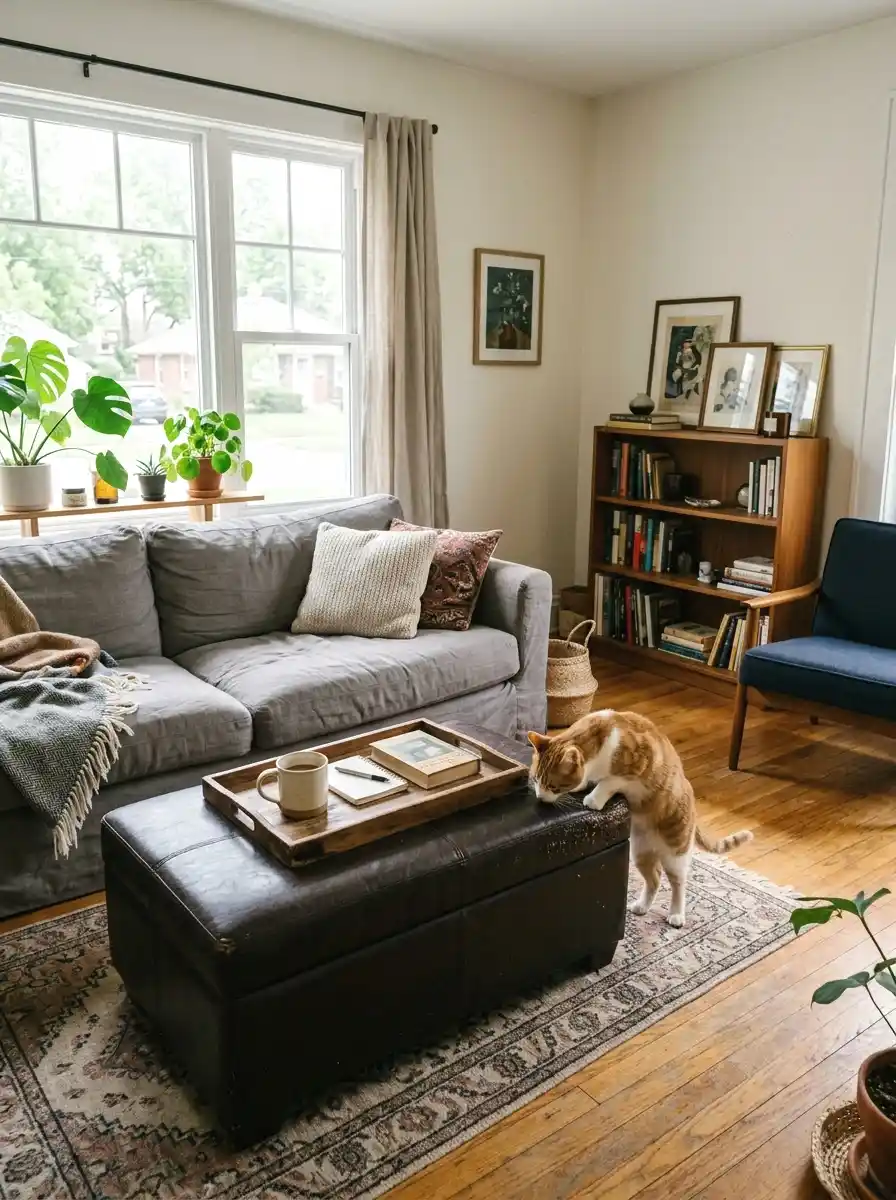
Faux leather wipes clean, resists scratches better than fabric, and works as a footrest, extra seat, or coffee table. I use mine as a coffee table with a tray on top most days. My cat tries to scratch it occasionally, but the surface just doesn’t give.
You can find a solid ottoman for $80–$150 at Target or Wayfair. Look for one with a removable top if you want hidden storage inside too. It’s a practical piece that doesn’t scream “I have a cat” the way some furniture does.
10. Curtains Instead of Blinds Near Windowsills

Cats love windowsills, and blinds get bent and destroyed fast when a cat is jumping up and down constantly. Curtains take the hit better and are cheaper to replace if claws do get involved. I switched from blinds to curtains in every room with a windowsill perch.
A good pair of curtains costs $30–$60 per window at IKEA. Pick a cotton or linen blend, since sheer fabric snags easily. And honestly, curtains just look nicer than blinds anyway in most apartments.
More Ideas:
11. A Storage Ottoman for Toys and Litter Supplies
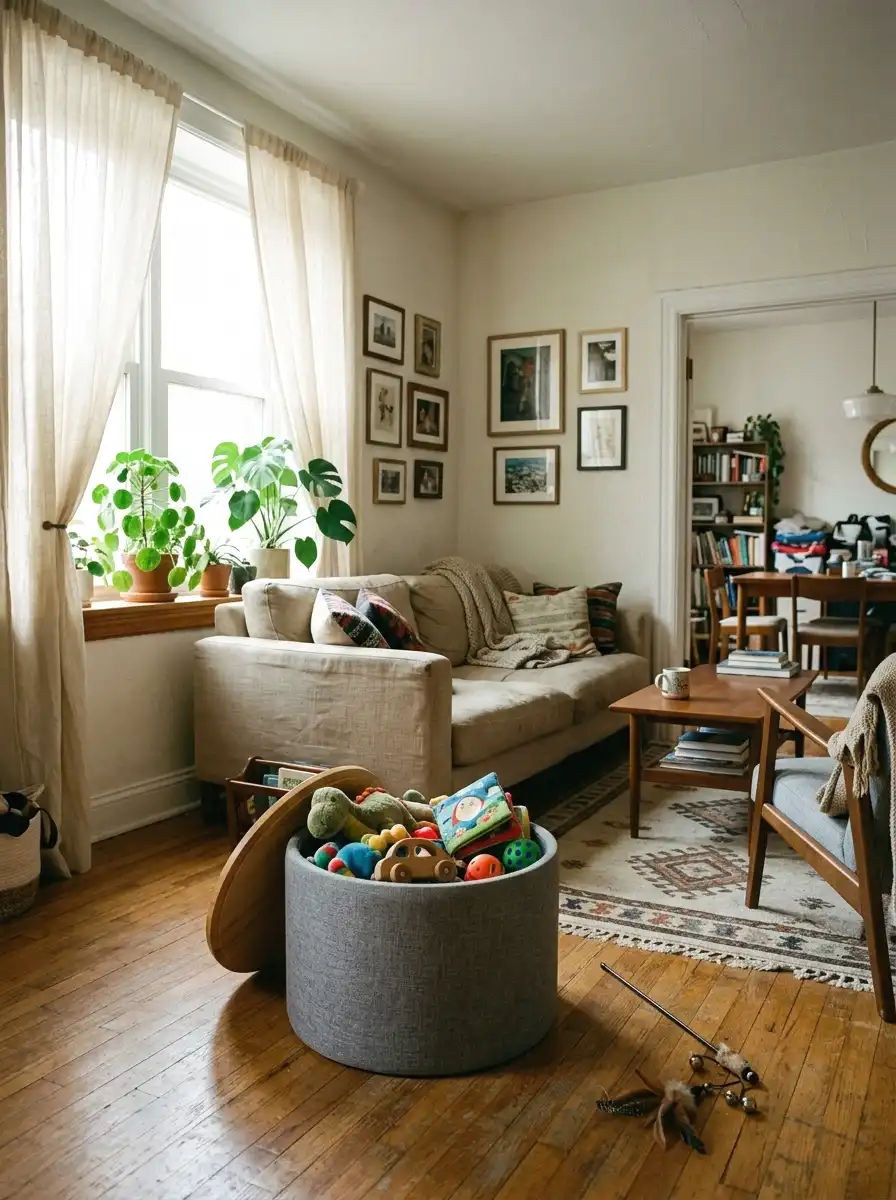
Cat toys pile up fast and there’s rarely a good place to put them. A storage ottoman keeps supplies hidden while doubling as seating or a footrest. Mine holds toys, extra litter, and spare bedding all in one spot.
These run $60–$120 depending on size and material. Get one with a sturdy lid your cat can’t easily pry open if they’re the curious type. It’s a simple organize trick that keeps the room looking put together.
12. Scratch-Resistant Rugs With a Low Pile
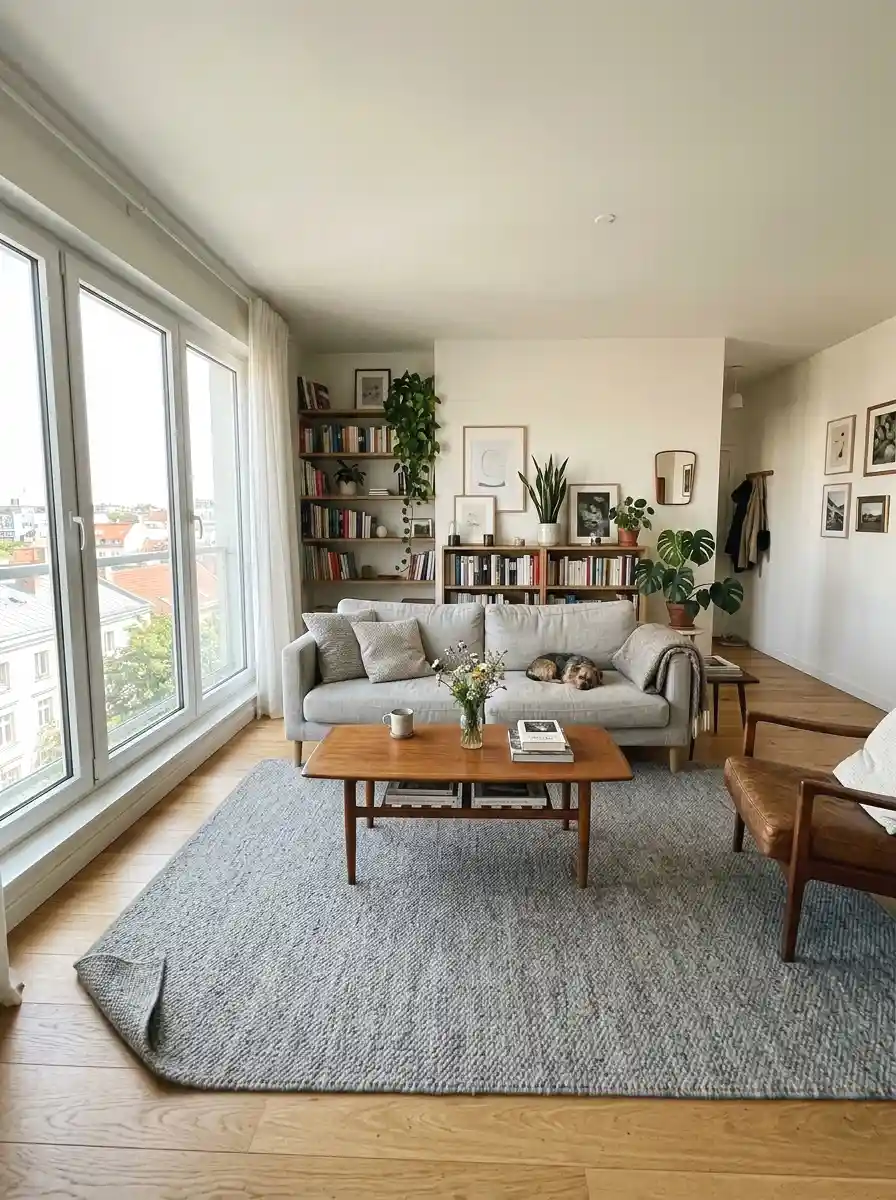
A high pile shag rug feels great underfoot, but claws catch in the loops and pull threads constantly. Low pile rugs made from wool or a tight synthetic blend hold up much better under a cat’s daily routine.
Expect to pay $100–$180 for an 5×7 rug at Lowe’s or Wayfair. Darker colors also hide shed fur better between vacuuming. This is one of those budget decisions that pays off over the long term.
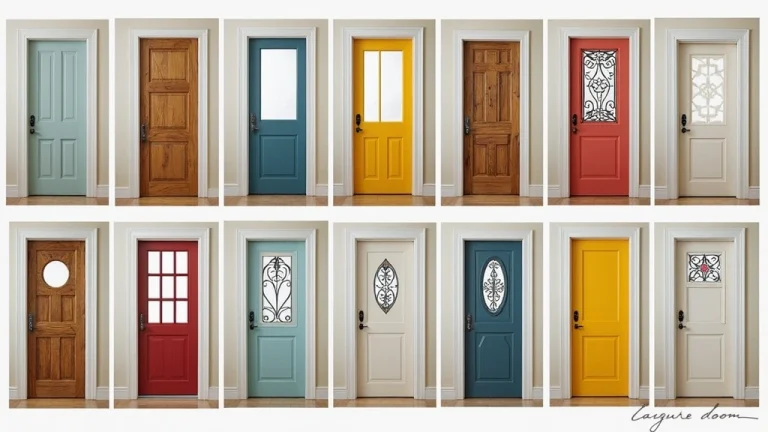
13. A Cat Door Built Into an Interior Door
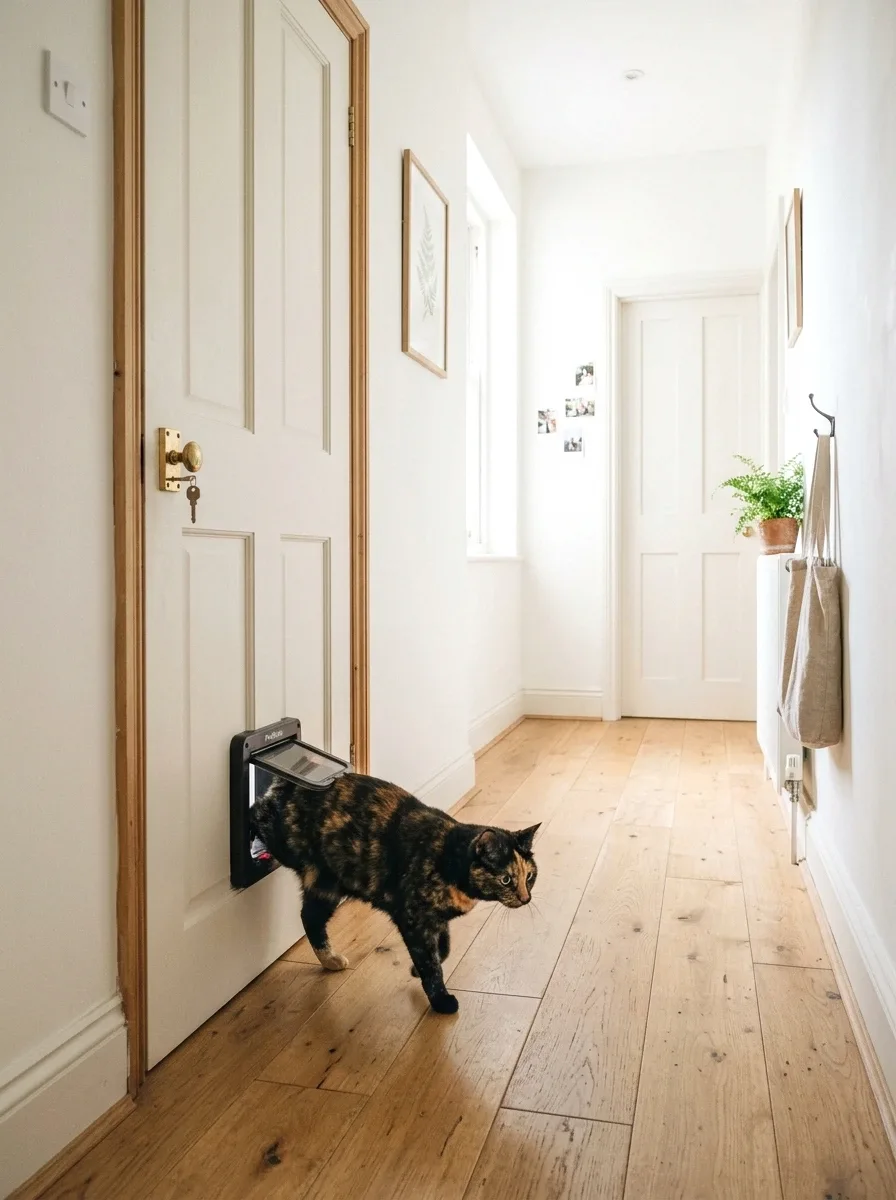
If your cat has a favorite room they get shut out of, a small cat door built into an existing interior door solves it without leaving doors cracked open all day. Installation is simple enough to DIY in under an hour with basic tools.
A quality cat door kit costs $30–$60, and installation needs a drill and a saw for the cutout. Renters should check their lease first, since this does modify the door permanently. It’s worth asking your landlord, some are more flexible than you’d expect.
14. A Neutral Color Palette That Hides Fur
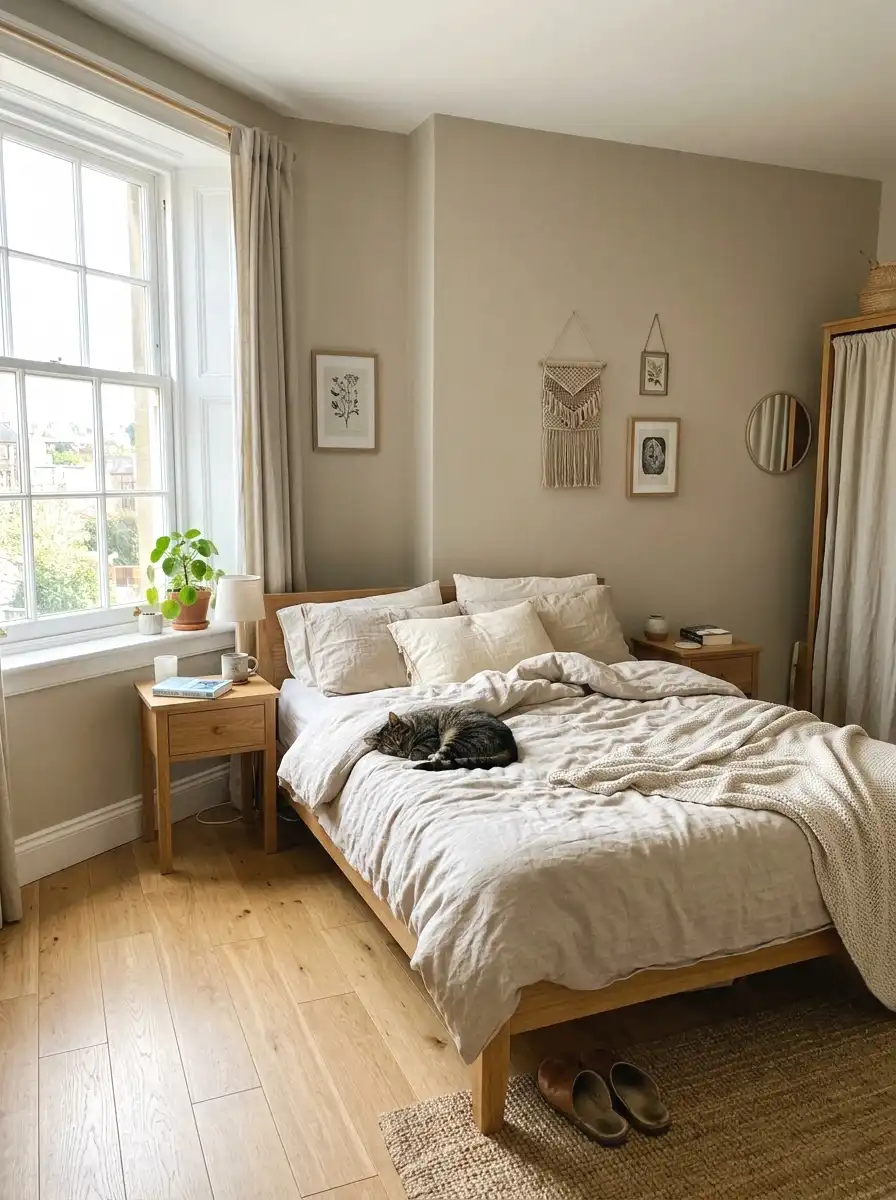
Dark furniture shows white fur and light furniture shows black fur, so neither solves the problem completely. A neutral palette in cream, gray, or greige hides shedding better than most people expect, and it photographs well too.
Paint alone costs under $50 for a gallon at Home Depot, which covers most apartment bedrooms. Combine it with furniture in a similar tone family and the whole space feels balanced. Fur still shows up, just noticeably less than on bold colors.
More Ideas:
15. A Floating Shelf Gallery Wall (Cat Safe Height)
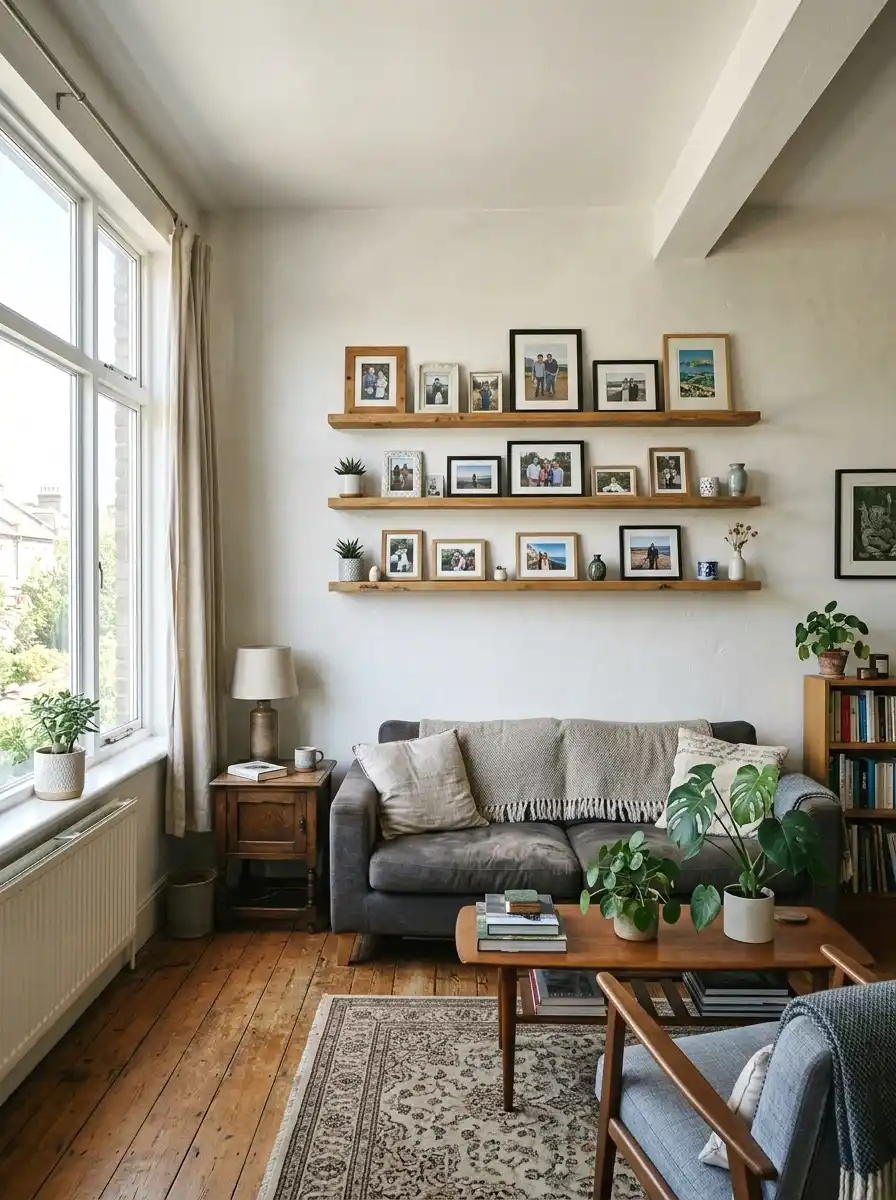
Gallery walls look nice, but low shelves get knocked over by an ambitious cat within days. I moved mine up above the six foot mark and haven’t had a single frame fall since. It’s a small fix that solved a recurring headache.
Floating shelves run $15–$25 each at IKEA, and most walls need three to five for a full gallery. Anchor them properly into studs, not just drywall anchors, since the weight adds up fast with frames and decor pieces.
16. A Cat-Proof Cord Management System
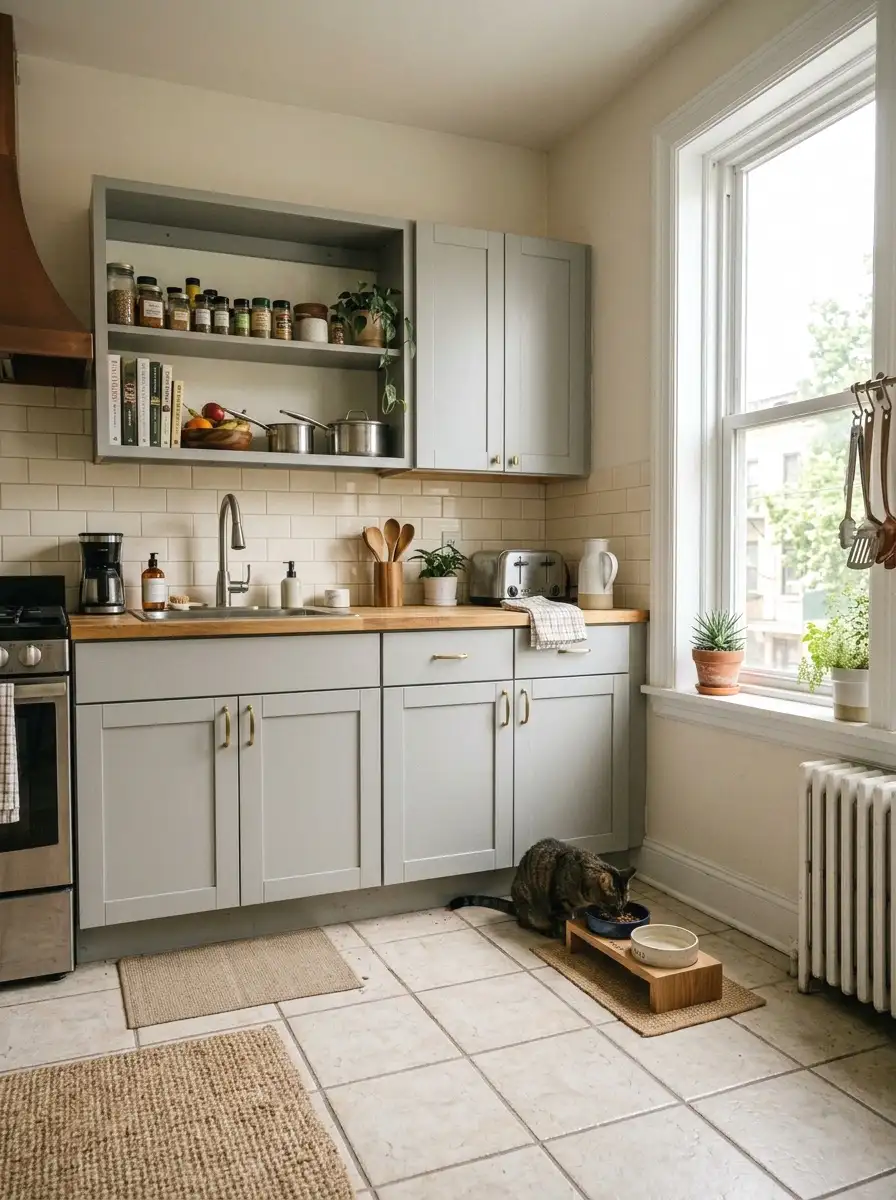
Cats chew and bat at loose cords, which is both a mess and a safety issue. Cord covers and cable sleeves route everything along baseboards where cats rarely bother with them. I did this in my living room and office corner both.
A full cord management kit costs $20–$35 on Amazon. It’s one of the cheapest upgrades on this whole list, but it makes the room look noticeably cleaner too. No more tangled cords creeping across the floor.
17. A Ceramic Feeding Station Instead of Plastic
Plastic bowls hold bacteria and some cats develop chin acne from them over time. Ceramic feeding stations look nicer sitting out in a kitchen or hallway, and they’re easier to keep clean too. I switched mine over a year ago and never looked back.
A ceramic set with a matching stand costs $35–$60 at Target or Pottery Barn. Pick one that fits your kitchen’s existing colors so it doesn’t stick out. It’s a small swap that upgrades a spot most people ignore completely.
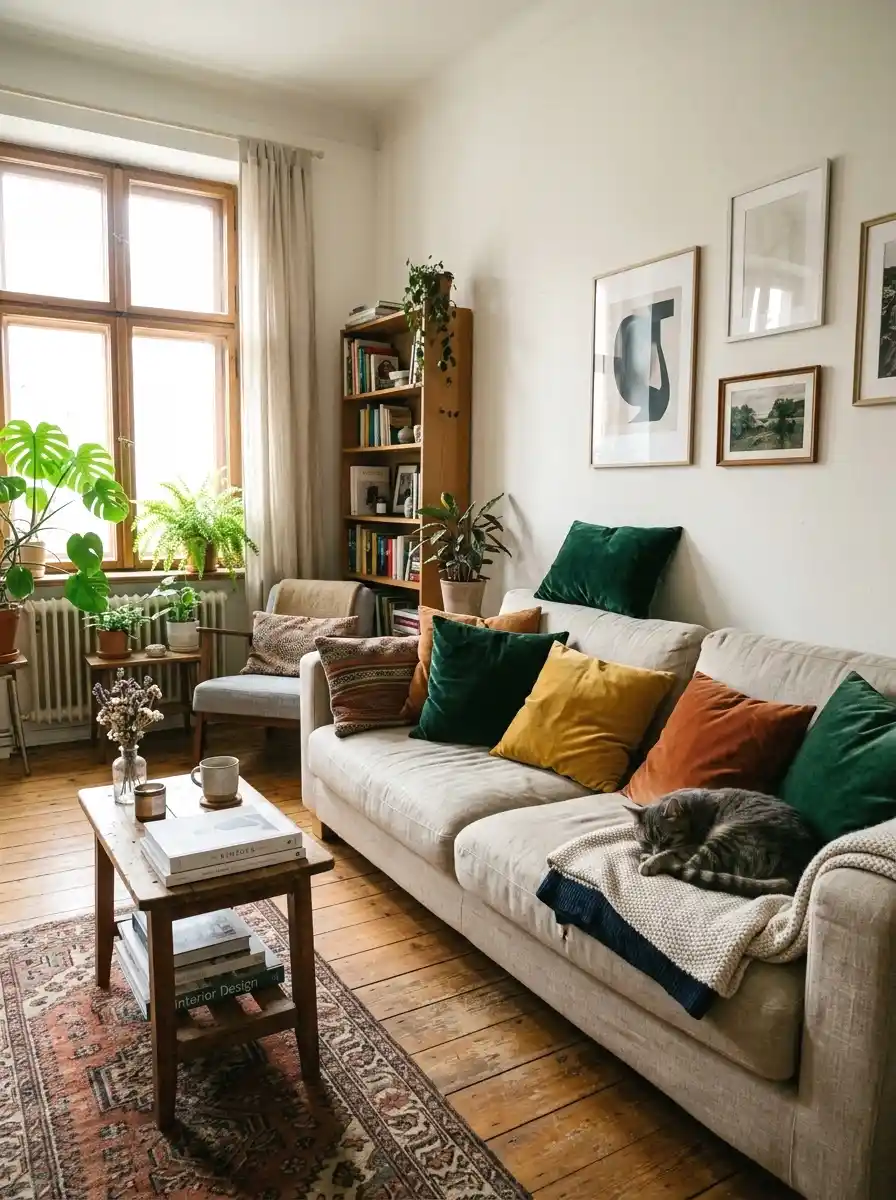
18. Velvet Throw Pillows (With a Catch)
Velvet feels really nice and looks polished on a sofa, but it can snag under claws depending on the weave. I tested a few brands and found tightly woven velvet handles cat contact far better than the loose, plush kind.
Expect to pay $20–$40 per pillow at West Elm or Target. Keep a couple in reach of your cat’s favorite nap spot and a couple further back for guests. This is a case where reading reviews before buying actually saves you money.
More Ideas:
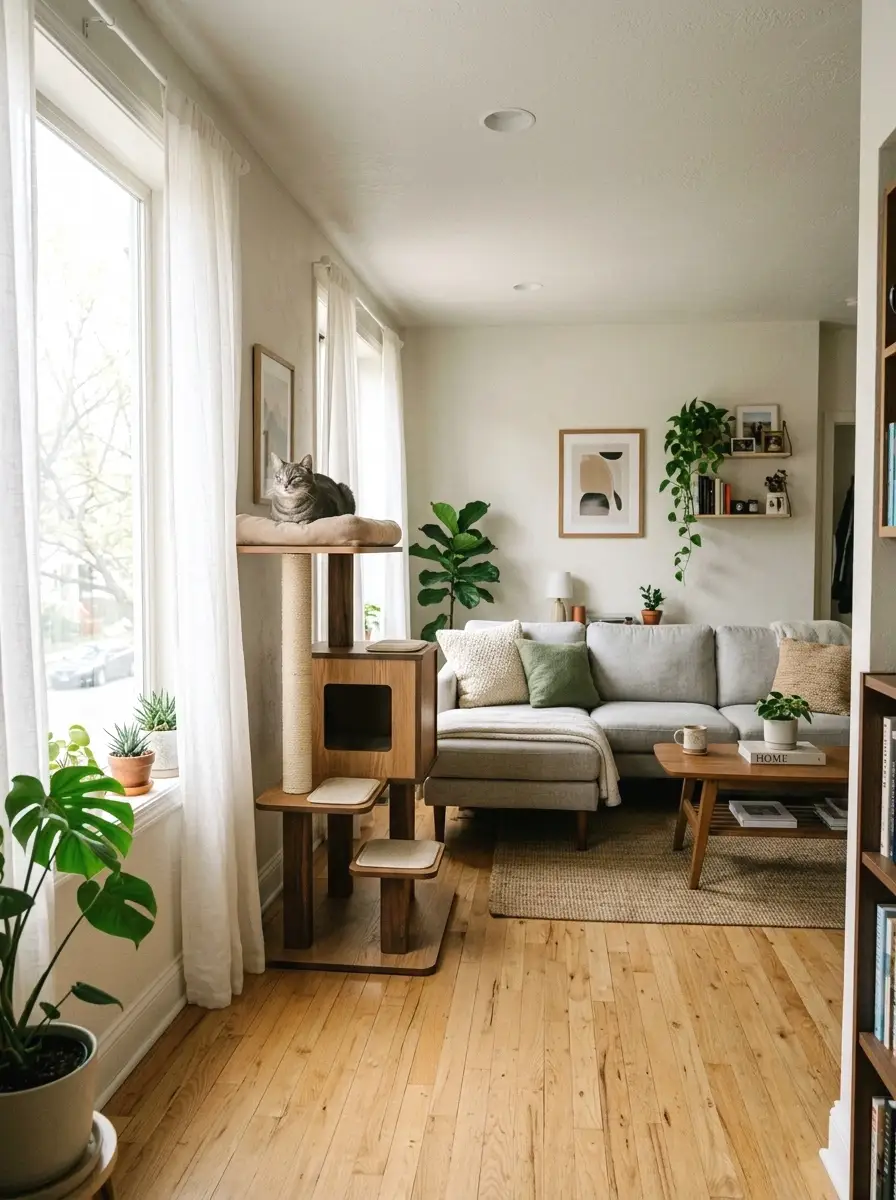
19. A Multi-Level Cat Tower That Doubles as Decor
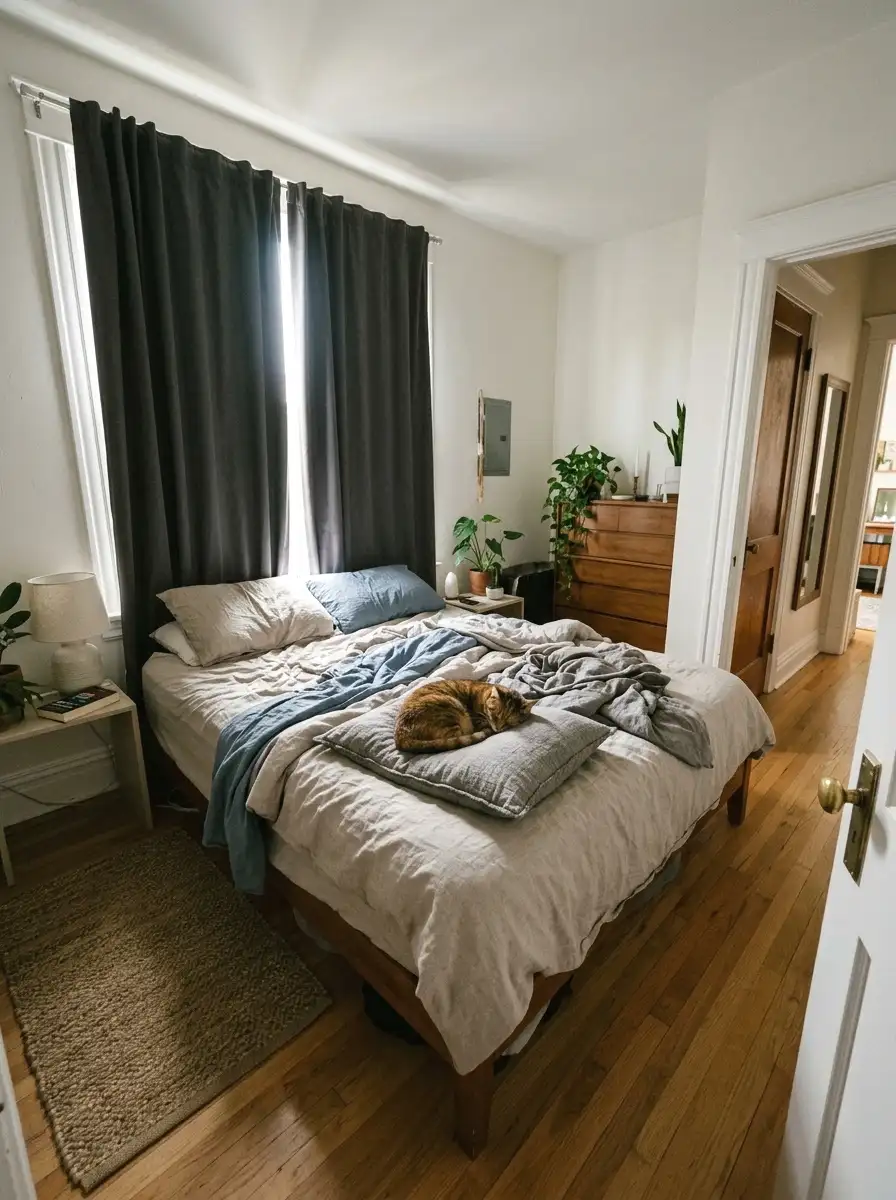
Most cat towers look out of place, all beige carpet and visible posts. Newer designs use wood tones and clean lines that match actual furniture instead of standing out. I found one that looks like a side table with a hidden platform on top.
These run $150–$300 depending on height and material at Chewy or Wayfair. It’s an investment piece, but it replaces the need for several smaller cat accessories scattered around the room. One good tower usually does the job of three cheap ones.
20. Blackout Curtains for a Quiet Bedroom
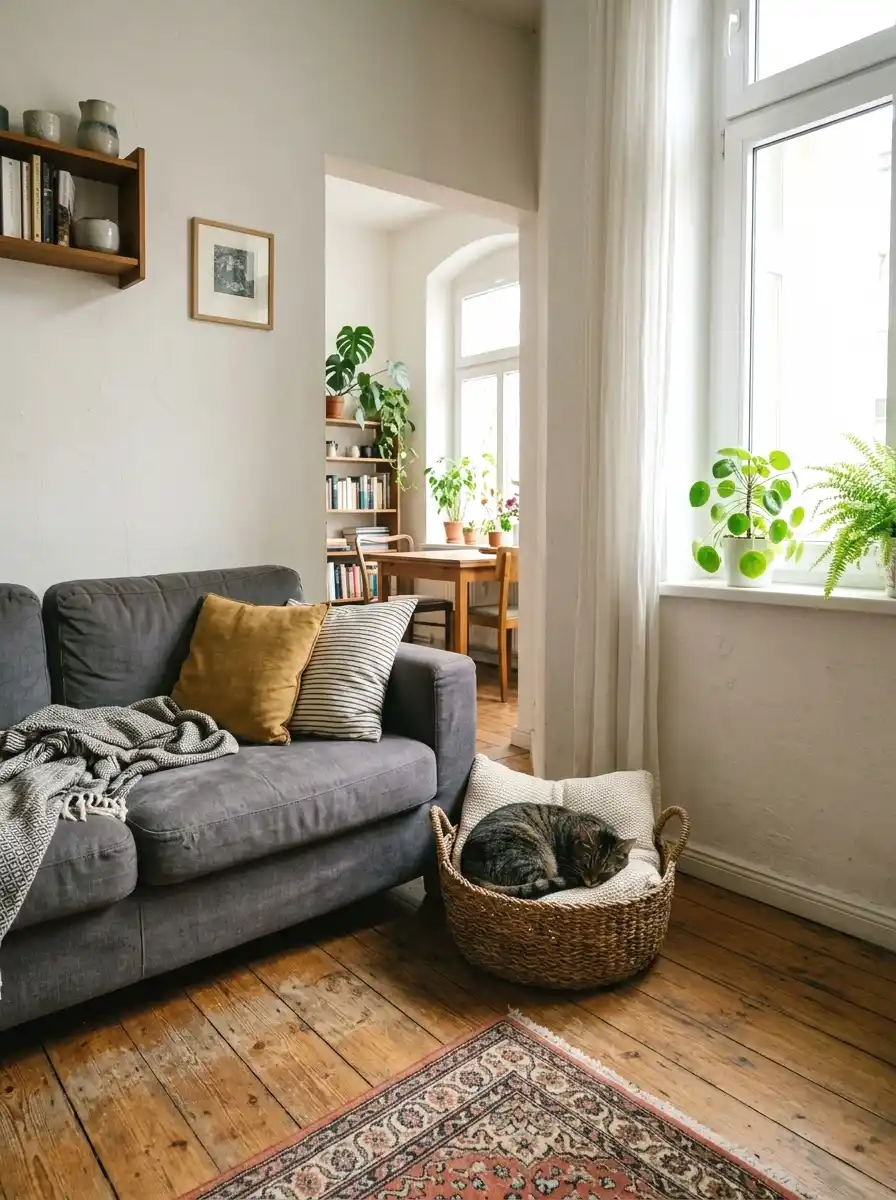
Cats wake up at dawn no matter what, but blackout curtains help keep morning light from egging them on even earlier. I noticed my own cat sleeping in later once I made the switch, which was a nice surprise.
A blackout curtain panel costs $25–$45 per window at IKEA or Target. They also help with energy efficient insulation in older apartments with drafty windows. Two upgrades in one purchase, which is rare to find.
21. A Designated Nap Basket in Every Room
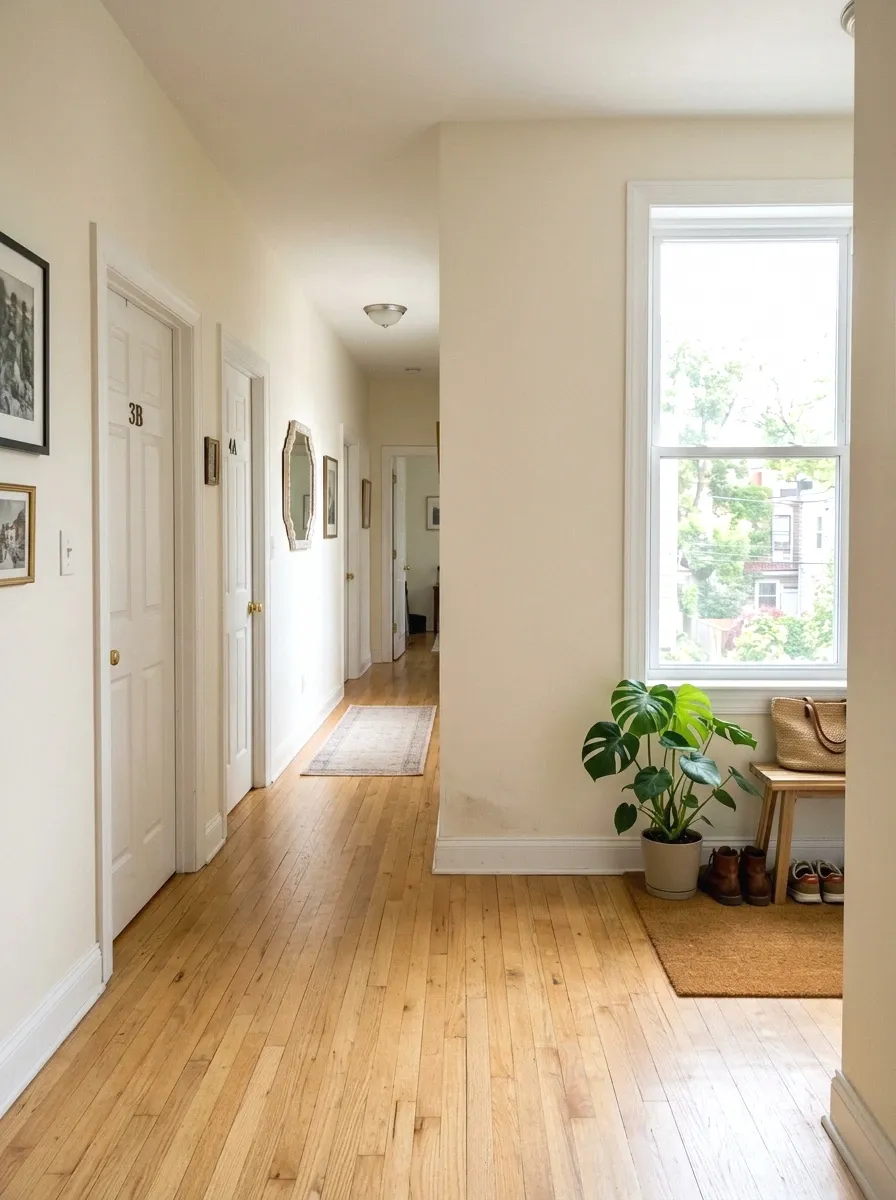
Cats want a soft spot in whatever room you’re in, and if you don’t provide one, they’ll pick your good throw blanket instead. I put a small basket with a washable cushion in my bedroom, living room, and office corner.
A basket and cushion combo runs $25–$40 each at Target or Amazon. Wash the cushion covers regularly since this becomes the spot fur collects most. It’s a cheap way to redirect where your cat naps without a fight.
22. Matte Finish Paint to Hide Scuffs and Scratches
Glossy paint shows every scuff and scratch mark near baseboards where cats rub against walls. Matte or eggshell finishes hide these marks far better and touch up more easily if you ever need a small patch job.
A gallon of quality matte paint runs $40–$55 at Home Depot or Lowe’s. This is also a detail that matters for resale value if you’re in a place you might sell down the road. Small thing, but it adds up over time.
23. A Cozy Reading Nook With a Cat-Friendly Chair

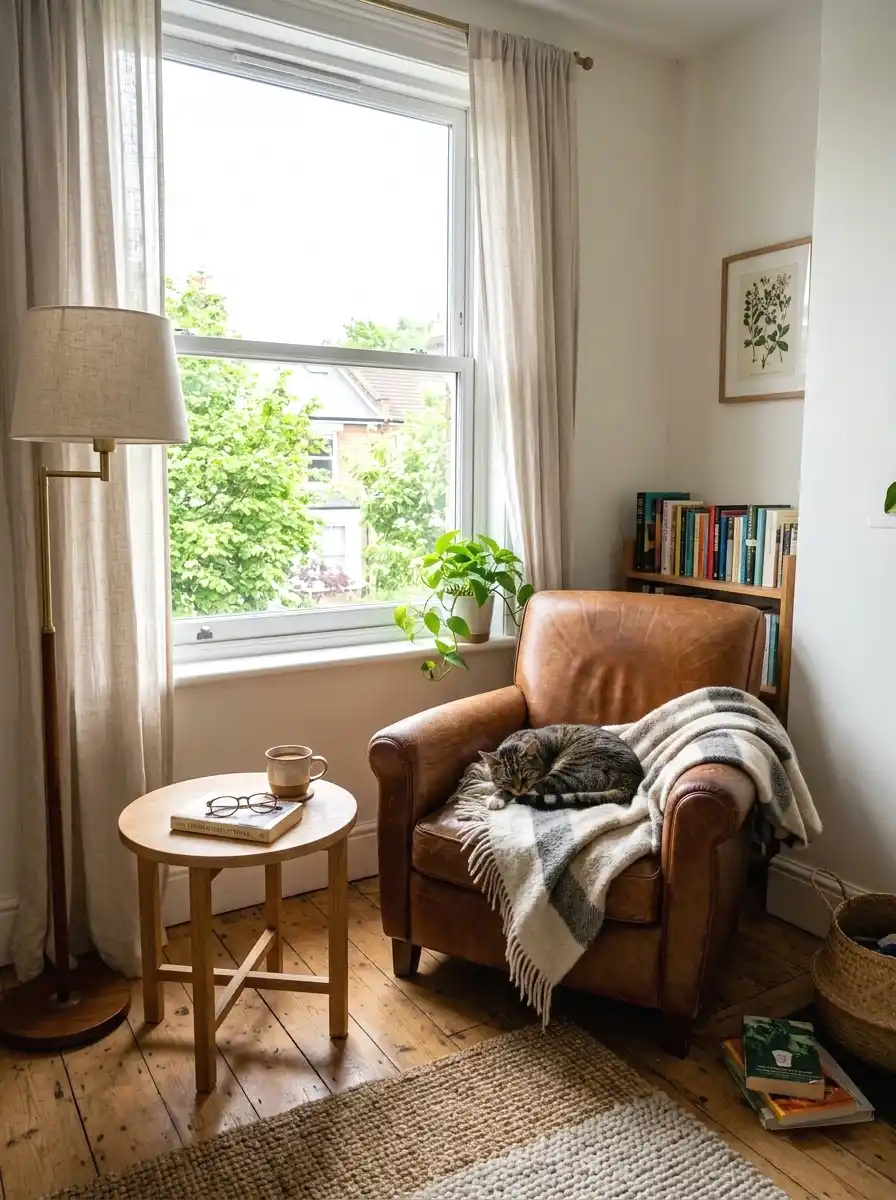
Every apartment deserves one nook that’s just for you, even with a cat sharing the space. I set up a corner with a leather accent chair, a small side table, and a floor lamp near my best window.
The full setup cost me around $350 total, chair included, from a mix of Wayfair and a local secondhand shop. My cat has claimed the chair as much as I have, but the leather holds up fine. It became my favorite corner of the whole apartment.
Final Thoughts on Apartment Decor for Single Women With Cats
You now have a real mix of furniture swaps, fabric choices, and small habits that make cat life and good design work together instead of fighting each other. The theme running through all of it is simple. Pick durable materials first, then make them look good.
Start with one thing this weekend. Swap your throw pillow covers for washable ones, or move that one frame up higher on the wall. Small changes add up fast.