
22 Apartment Decor for People Starting Over After a Breakup — Make It Yours Again

Starting over after a breakup is hard enough. Walking into an apartment that still smells like them, still holds their furniture, still carries every memory — that’s a whole different kind of pain. You deserve a space that feels like you again.
This guide covers 22 real, budget-friendly apartment decor ideas for people starting over after a breakup. Each one was picked because it actually works in small spaces, fits a renter’s reality, and costs somewhere between $10 and a few hundred dollars. Nothing here requires a contractor or a Pinterest-perfect budget.
Also, explore apartment decor for single women after a breakup.
This is for renters or new apartment dwellers with a $100–$700 total budget to work with. If you’re expecting a full luxury renovation, this isn’t that. But if you want to stop dreading your own front door, this is exactly that.
By the end, you’ll know what to change first, what to spend on, and how to make your apartment feel like yours again.
What to Know Before You Start Decorating After a Breakup
- Psychologists say reclaiming your physical space is a real part of emotional recovery, not just aesthetics.
- Start with removal first. Buying new things over old pain just buries it.
- A full apartment refresh on a budget runs $300–$500 if you’re selective about where you spend.
- The bedroom matters most. It’s where you start and end every day. Prioritize it.
- Most renters skip the lighting. That’s the biggest overlooked upgrade in any apartment.
- Peel-and-stick wallpaper costs $25–$60 per roll and is fully removable. No deposit risk.
- Mixing one new piece with two thrifted finds is how you build a space that looks put-together without overspending.
- IKEA’s KALLAX shelf runs $59.99 and doubles as a room divider and storage unit.
1. New Bedding First. Always.
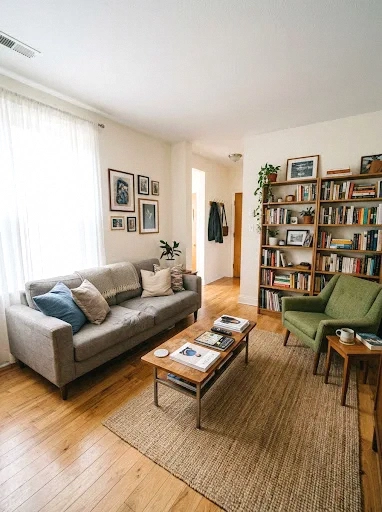
The bed is the one place you feel your breakup most. You know this already. New sheets change more than you expect, not just visually but psychologically. It’s the first thing you see in the morning and the last thing at night. Getting bedding that’s yours, picked by you, for you, costs between $40 and $120 at Target or Amazon. Pick a color or pattern you’d never have chosen with them. That contrast is the point.
Go for a different material than what you had before too. If you shared crisp white cotton, try a deep terracotta linen set. Wayfair has solid linen-blend duvet covers starting at $55. It’s a small investment that hits harder than almost anything else on this list. I was skeptical about this one until I did it. Slept completely differently. No exaggeration.
If you’re not sure where to start with the overall look, there are plenty of bedroom ideas worth exploring before you commit to a direction.
2. Rearrange the Furniture Before Buying Anything New
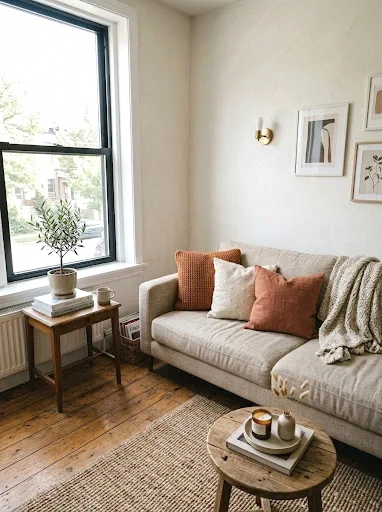
Here’s the thing nobody tells you: the layout of your old shared apartment is coded in your memory. Every corner, every sight line, every spot where you used to sit together. Moving your furniture around, even just rotating your couch or swapping the TV wall, breaks that visual memory hard and fast. It costs nothing, just your time.
A room that’s rearranged reads like a different room. Designers call this spatial reframing. You don’t need a decorator to do it. Pull the couch to a different wall, angle your bed away from the window, move the bookshelf into the bedroom. Spend one Saturday on this before spending a single dollar, and you’ll already feel a shift.
3. Swap Out the Throw Pillows and Blanket
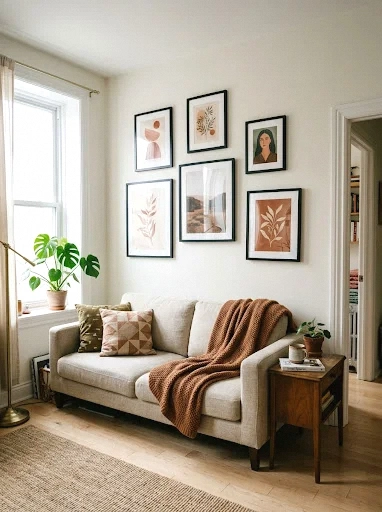
This one is so underrated. Pillows and throws are the fastest, cheapest way to change how a sofa or bed reads visually. A new set of two to three throw pillows from HomeGoods runs $18–$45 total. A chunky knit throw from Amazon costs around $28–$35. Together, that’s under $80 and your couch looks like a completely different piece of furniture.
Lean toward textures that feel warm and personal, boucle, ribbed cotton, woven wool. These materials photograph rich and feel good to touch, which matters more than people admit. Go for colors that have nothing to do with what your apartment used to look like. If everything was grey and white before, try rust, olive, or cream with a warm undertone. That visual break is the whole point.
4. Hang Your Own Art — Even If It’s Just Prints
The walls hold the most memories in any shared apartment. Clearing and rehanging with your own art is one of the most powerful things you can do. You don’t need original paintings. Download free art from Unsplash or Etsy digital shops, then print at your local print shop. An A4 print costs about $0.50 to $1. A set of IKEA RIBBA frames starts at $4.99. A gallery wall of six to eight pieces costs under $30 total.
Pick art that means something to you, not to the version of you that was in that relationship. A photo you took on a solo trip. A poster from a band they hated. A print in a color that felt too bold to bring up before. Command strips keep everything hole-free and renter-safe. This is your wall now.
5. Get a Statement Plant (or Three)
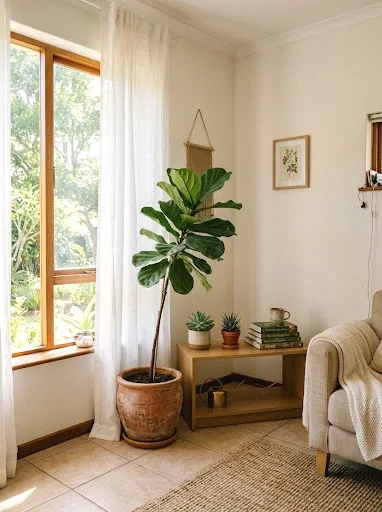
Plants do something to a room that’s hard to explain until you have them. They bring life into a space that can feel very still after a breakup. A large fiddle leaf fig or snake plant from Home Depot runs $20–$45. A set of three small succulents is under $15 at most garden centers or IKEA. The fiddle leaf fig at my own place was the first thing that made my apartment feel like mine and not just a place I was staying.
Plants also give you something to care for at a time when that instinct needs somewhere to go. Psychologically, nurturing living things helps with emotional recovery. That’s not fluff, it’s documented. Start with a snake plant if you’ve killed plants before. They survive almost everything and look really nice in a terracotta pot, which costs about $6.
6. Upgrade Your Lighting — Ditch the Overhead Bulbs
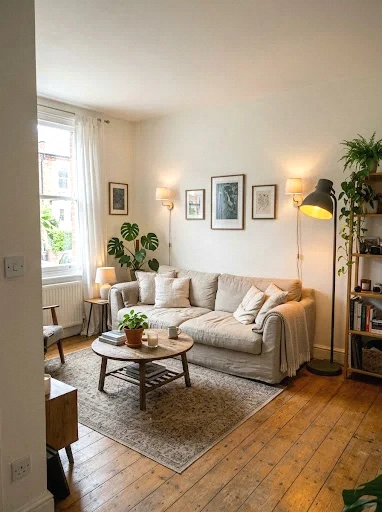
Most apartments come with one overhead fixture that produces flat, cold light. That kind of light makes everything look clinical. Swap it out, not the fixture itself but the bulb, for a warm 2700K LED. That single change costs about $8 at Home Depot and makes the whole room feel softer within seconds.
Then add a floor lamp or table lamp in a warm amber tone. IKEA’s RANARP floor lamp is $49.99 and looks like it costs three times that. Plug-in wall sconces from Amazon run $25–$40 for a set of two and add depth without any wiring. Warm lighting is one of those upgrades that just works every single time. Budget for it before you budget for anything decorative.
7. Add a Full-Length Mirror
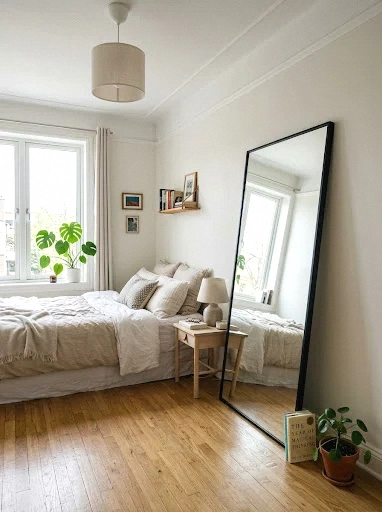
A leaning mirror does two things: it makes the room look bigger and brighter, and it gives you a daily reminder that you look like yourself. Sounds small. It’s not. When I tried this in my own space after a big life reset, the apartment felt almost twice as open within a day.
A 65-inch leaning mirror from Amazon or Wayfair runs $60–$110. Look for simple wood or metal frames in a finish you like, black metal reads clean and modern, natural wood reads warm and real. Lean it against the wall at a slight angle so it catches light from your window. No drilling, no deposit issues, and the resale value of large mirrors on Facebook Marketplace is surprisingly good if you ever want to flip it.
8. Paint One Wall (Or Use Peel-and-Stick Wallpaper)
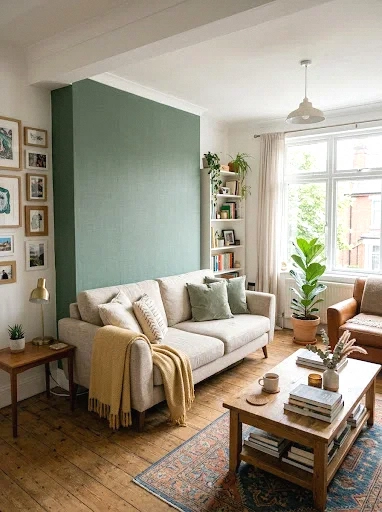
Color changes everything about how a room feels. One accent wall in a deep green, terracotta, or dusty blue reads like a full renovation. If you own and can paint, a quart of interior paint from Home Depot runs $18–$25. That covers one accent wall in a standard room, usually around 10 by 9 feet.
If you’re renting and can’t paint, peel-and-stick wallpaper is the real solution. NuWallpaper and Chasing Paper both make removable options that look exactly like real wallpaper and come off clean at move-out. A single roll covers about 20 square feet and costs $25–$60. Pick a pattern or color that feels specifically like you, not like compromise.
If you want to see how different colors and textures play out before buying anything, there are accent wall ideas that actually work for renters at every budget.
9. Declutter the Shared Spaces Before Adding Anything
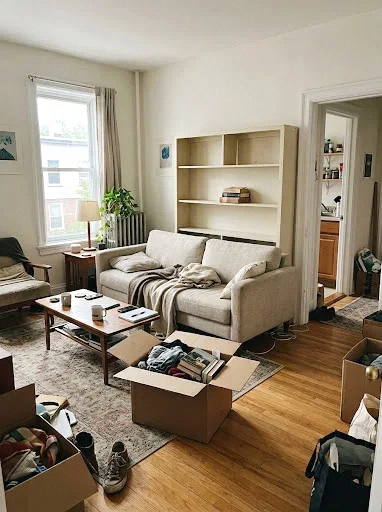
This step is boring and emotional and absolutely required. Before any new piece of apartment decor makes sense, the traces of the old life need to go. Not stored. Gone. Anything that automatically makes you think of them with pain, cleared out. Donate, sell on Facebook Marketplace, or bin it.
The kitchen is often the worst, their favorite mugs, the plates you bought together, the spices left behind. Clear those drawers. It frees up physical and mental space at the same time. A clear apartment with a $50 decor investment looks and feels better than a cluttered apartment with a $500 one. Decluttering also helps if you ever plan to sell or move — it raises the perceived value of your space instantly.
Also, explore small apartment ideas on a budget.
10. Buy a Rug That’s Entirely Your Taste
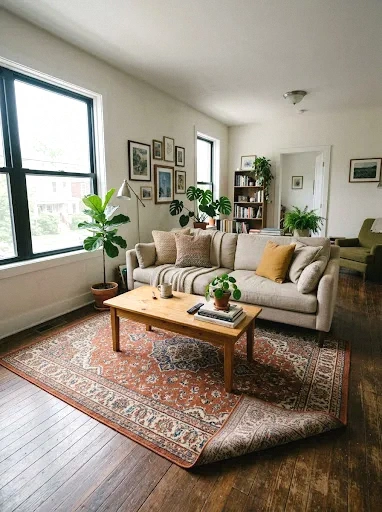
A rug is the fastest way to anchor a room and make it feel intentional. It’s also one of the most personal decor choices because it sets the whole tone. If your old apartment had a grey geometric rug, go the complete opposite direction. A warm Persian-style print, a cream shag, a bold stripe in terracotta and ivory.
Rugs at Ruggable start around $99 for a 5×8 and are fully washable, which matters more in a renter’s apartment than most people admit. Amazon also carries solid and patterned rugs in the $45–$120 range for a 5×7 or 5×8. Pick the rug first, then build the room’s colors from it. That’s the order professional decorators actually work in.
11. Create a Corner That’s Just for You
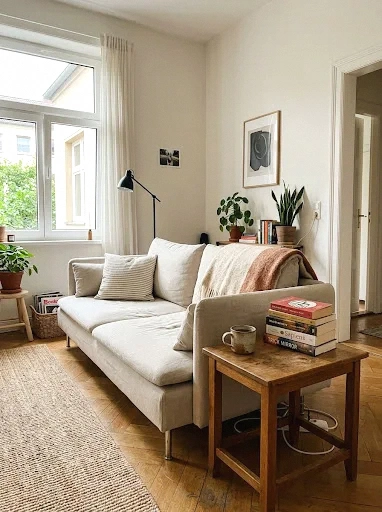
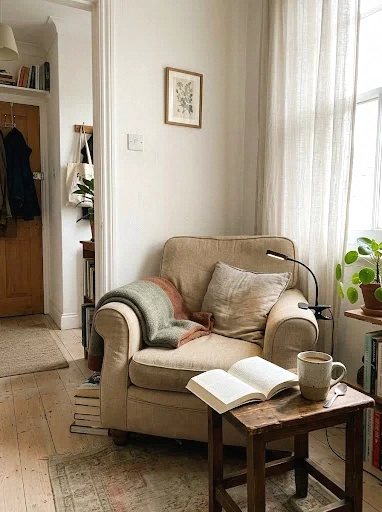
Designate one specific corner of the apartment as your spot. A reading chair, a small table with a good lamp, a shelf with books and things you love. This idea comes up again and again in apartment therapy circles because it works. It’s the physical version of claiming back identity.
A secondhand armchair from Facebook Marketplace runs $20–$80. A small IKEA LACK side table is $14.99. A clip-on reading light from Amazon is $12. Total budget: under $110. That corner becomes an anchor point for the whole apartment. Whenever the space feels unfamiliar or heavy, that corner is yours. It’s a real, tangible thing to come back to.
12. Replace One Piece of Furniture You Both Picked
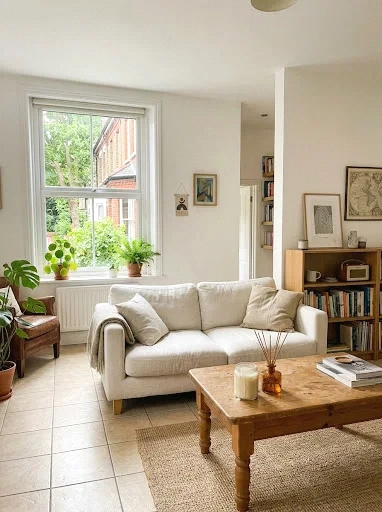
You don’t have to replace everything. But there’s usually one piece that holds the most weight — the couch you chose together, the dining table you argued about, the bookshelf from their old place. Replacing just that one piece changes the entire feel of the room.
Check Facebook Marketplace and OfferUp first. Solid secondhand furniture in good condition is everywhere for $50–$200. Or try IKEA’s ÄPPLARÖ outdoor bench as a living room accent (under $100) or the KLIPPAN sofa at $299 for a clean, renter-ready option. One new piece, deliberately chosen by you alone, shifts the energy of a room more than adding ten smaller accessories.
While you’re rethinking the layout, it’s also worth looking into apartment storage ideas that free up space without adding visual clutter.
13. Put Scent to Work
Scent is the strongest memory trigger in the human brain. If your apartment still smells like them, that’s not neutral. It’s active. Open windows first. Then bring in your own scents intentionally. A soy candle from Target’s Threshold line runs $8–$14. A reed diffuser from Amazon or TJ Maxx costs $12–$20 and lasts two to three months.
Pick something you’ve never used before in this apartment. Cedar and vanilla, eucalyptus and mint, sandalwood. Make this space smell specifically like your fresh start. It sounds small and it is small. But your brain processes it as evidence of change every single time you walk through the door.
14. Hang Curtains Higher Than the Window
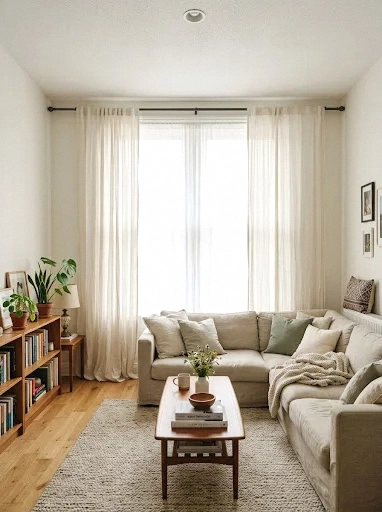
Most apartments come with blinds that sit right at the window frame. Pull them all the way up or to the side. Then hang curtains from as close to the ceiling as possible using a tension rod or Command hooks. This single move makes ceilings look higher and rooms look bigger, no renovation required.
Sheer white or linen-toned curtains from IKEA’s LILL line cost $7.99 for a pair. For something heavier and more dramatic, Amazon’s blackout curtain panels in sage, rust, or cream run $22–$38 per pair. This upgrade costs under $50 and genuinely makes your space feel like a different apartment. Renters miss this one constantly.
15. Add Something Handmade or Found — Not Bought New
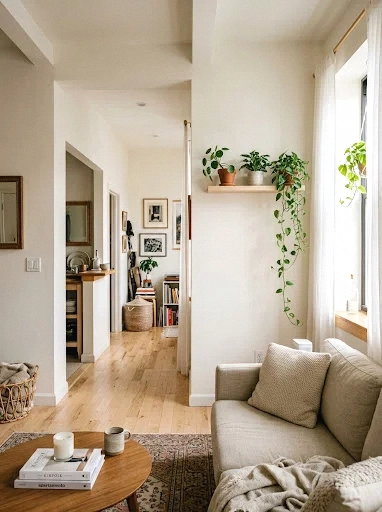
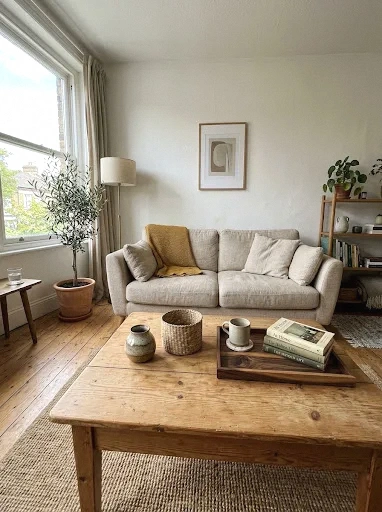
Decor that has a story feels different from decor that came in a box. Hit one thrift store or estate sale with a $30 budget and look for ceramic vessels, woven baskets, a wooden bowl, an old mirror, a single piece of art. These things carry no shared history. They’re new stories, just yours.
When I went thrifting after my own fresh start, I found a hand-thrown ceramic mug and a small carved wooden tray for under $12 combined. They sit on my coffee table every day and feel more intentional than most things I’ve bought new. Thrift stores like Goodwill, Salvation Army, and local markets are genuinely good sources for real objects that don’t look mass-produced.
16. Rethink How You Use Each Room
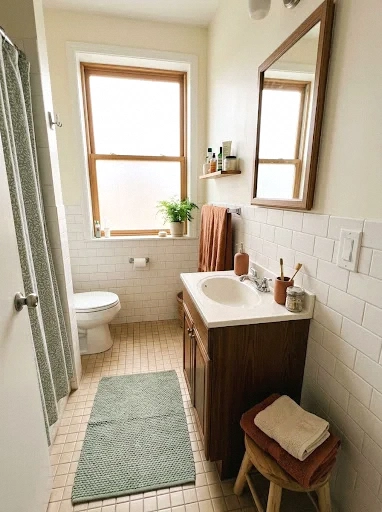
Your ex might have taken over the desk area, the reading spot, the kitchen counter. Now those spaces are fully yours. But sometimes the best move isn’t to fill them the same way — it’s to reassign them entirely.
Turn the area where they worked into your hobby corner. Make the breakfast nook a plant shelf. Move your desk to the spot that gets the best morning light. Reassigning spaces breaks the visual memory pattern and gives you new associations with parts of the apartment you used to share. This costs nothing. It just takes an hour and permission to use your own home however you want.
17. Get New Bathroom Accessories
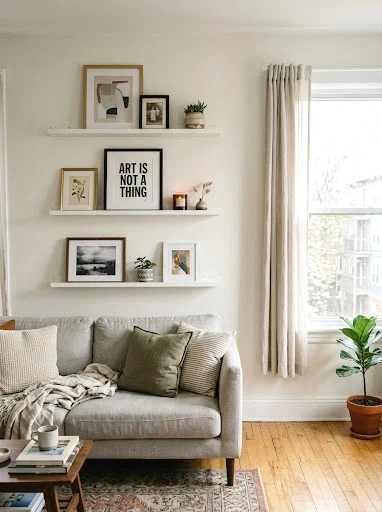
The bathroom holds a lot. Their toothbrush holder, their soap dish, the products they left on the shelf. Replacing the small accessories — a new soap dispenser, a fresh bath mat, a new toothbrush holder — costs under $40 at Target or Amazon and completely changes the morning routine.
A bath mat set from Amazon runs $18–$30. A matching soap dispenser and toothbrush holder costs $12–$22. Pick a color combination you love. Terracotta and white, sage and natural, black and warm wood. Small bathroom upgrades are often the ones most overlooked, but the bathroom is where you start your day. It should not feel like shared space anymore.
For anyone wanting to go further than just accessories, there are small bathroom decor changes worth making that stay well within a renter’s budget.
18. Build a Gallery Ledge Instead of Hanging Art Separately
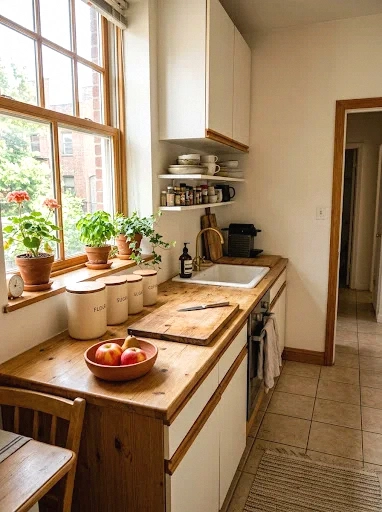
IKEA MOSSLANDA picture ledges are $9.99 each and hold up to 11 lbs when properly anchored. Instead of figuring out the gallery wall arrangement before committing holes to a wall, ledges let you arrange, rearrange, and add to a display without any new holes. Line up two or three ledges in a grid and fill with a mix of prints, small plants, a candle, a small object.
If you’re also thinking about color behind the ledges, there’s a solid guide on wall paint colors that change a room without a full renovation.
This is one of the easiest, most renter-friendly display solutions out there. You get the visual richness of a full styled shelf without built-ins. A set of three ledges runs under $35 total. Add $30 in prints and you’ve got a styled wall for under $65 that looks genuinely put-together.
19. Change What’s on Your Kitchen Counter
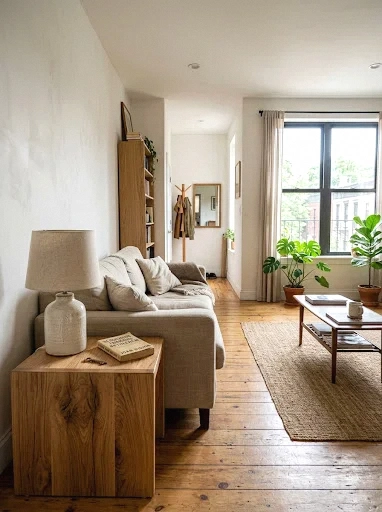
The kitchen counter is one of the most visually active surfaces in a small apartment. If it still has the coffee maker you chose together, the cutting board they bought, the fruit bowl from that trip — swap what you can. Not because those things are bad, but because visual reminders of shared choices slow down the mental reset.
A new ceramic canister set from Target’s Hearth and Hand line runs $25–$40. A wooden cutting board from Amazon costs $18–$35. A simple terracotta fruit bowl is under $20 at HomeGoods. These are functional objects, so the investment makes sense beyond the emotional reset. New countertop objects also subtly raise the feeling of the kitchen’s overall quality, which matters for how the space feels daily.
If the apartment itself feels tight on top of everything else, there are decorating ideas for small spaces that make a real difference without requiring more square footage.
20. Invest in One Real Quality Piece
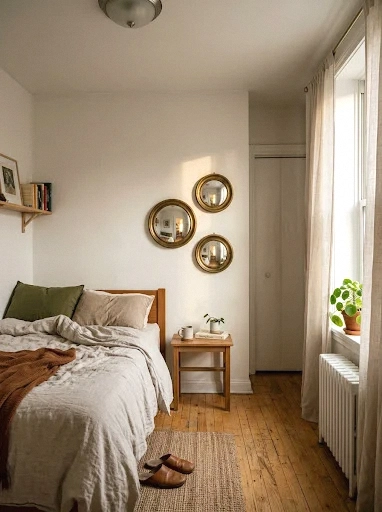
Most of the list is budget-conscious. This one is the exception. There’s real value — including long-term home value thinking — in owning one genuinely quality piece that belongs entirely to you. A piece you chose because you love it, not because it was a compromise.
That could be a ceramic lamp from a local maker ($80–$150), a solid oak side table from Crate and Barrel or West Elm on sale ($120–$200), or a handmade throw blanket from an Etsy shop ($60–$120). Pick something with material quality: solid wood, ceramic, linen, brass. One real piece makes every budget piece around it read better. And it becomes the thing in your apartment that is unambiguously, completely yours.
21. Use Mirrors Strategically to Light Dark Corners
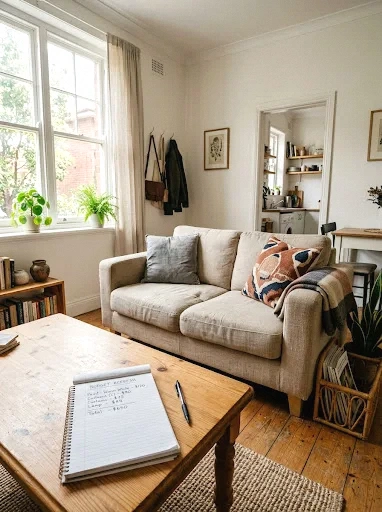
Beyond the full-length mirror in item 7, smaller mirrors placed across from windows or light sources do real work in a dark apartment. A cluster of three small mirrors at different heights on one wall reads like art and bounces light into the room. Small round mirrors from Amazon run $12–$25 each.
Brass or black metal frames photograph well and look considered rather than accidental. Group them in odd numbers — three or five — for a more organic arrangement. Command strips handle the weight of small mirrors easily, so this is renter-safe. This works especially well in bedrooms and narrow hallways where natural light doesn’t reach.
22. Give Yourself a Deadline and a Budget Limit
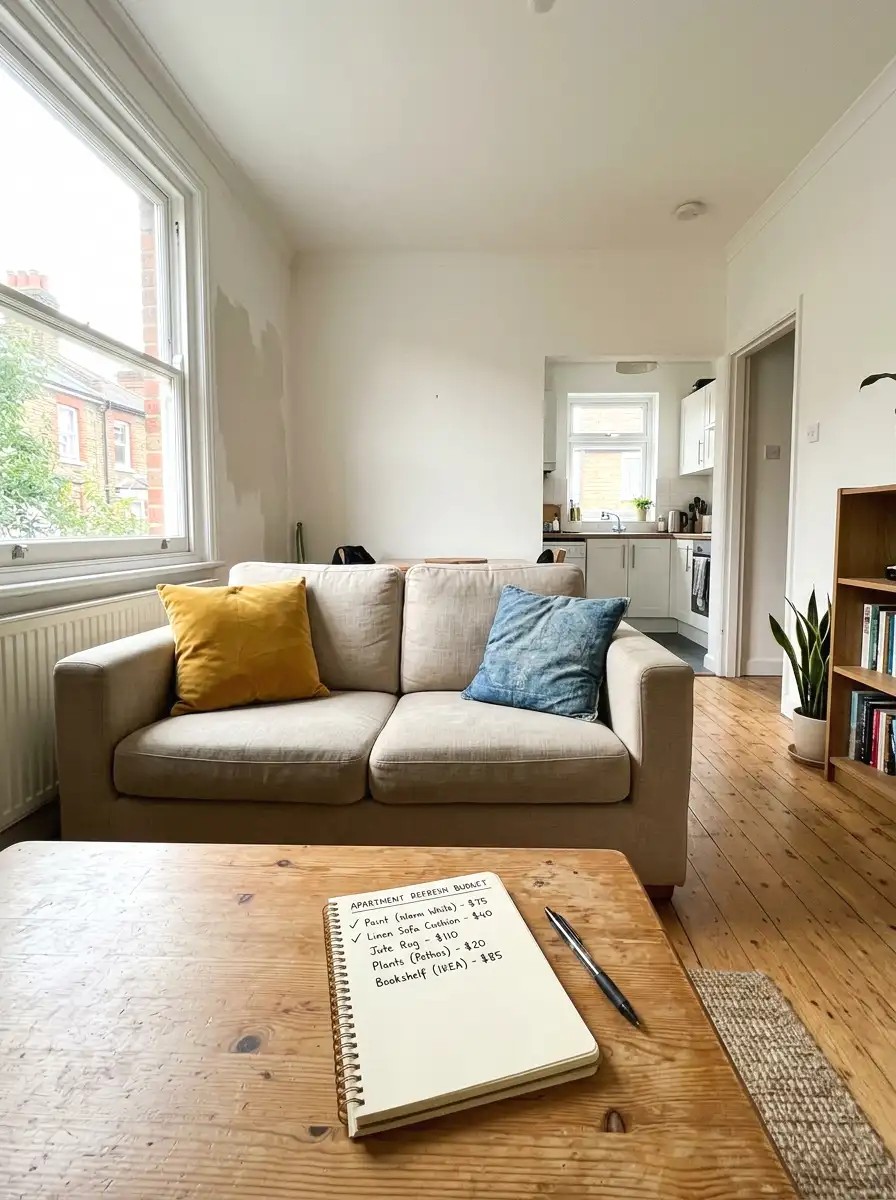
This last one isn’t a decor item. It’s the thing that holds all the others together. Set a budget — say $300 to $500 for the full refresh — and give yourself 30 days to do it. Not because you need pressure, but because open-ended projects in emotionally charged spaces tend to stall, and a stalled apartment refresh keeps you stuck in the in-between.
Plan where the money goes before you spend it. Bedding and lighting first, then one rug, then art and accessories. Track what you spend so you don’t hit $700 before you’re done with the important changes. A structured approach saves money and reduces the decision fatigue that hits hardest when you’re already emotionally drained. Treat it like a project. Projects have endings.
Final Thoughts on Apartment Decor for People Starting Over After a Breakup
This kind of decor work is personal in a way that most home improvement projects aren’t. You’re not just changing a room. You’re resetting the space where you’re going to rebuild. The items in this list, from swapping bedding to lighting one corner differently, each do something small on their own and something significant together.
Also, explore apartment decor for women after divorce.
Start with the bedroom and the lighting. Those two changes this weekend will shift the entire feel of your space. You don’t need to do all 22 at once. Pick three and start there. Forward movement matters more than a perfect plan.