22 Open Cafe Outdoor Design Ideas for Small Patios Under $1,500

Your patio sits empty while every open cafe outdoor design online seems to need more room and more money. That’s frustrating, and honestly, it’s mostly not true.
I researched homeowner threads, designer guides and real store prices to pick 22 ideas, from bistro sets and string lights to banquettes and shade sails. Most cost between $150 and $1,500, and they suit patios and balconies.
This is for you if you have 40 to 200 square feet and a real budget. It’s not for full outdoor kitchens. Results are very doable, I promise.
By the end, you’ll know which seating, shade and lighting to buy first, and what each one really costs.
What to Know Before You Start Open Cafe Outdoor Design
- Measure first, because a two seat bistro table needs about 30 by 30 inches clear.
- Leave 18 inches behind each chair, so guests can walk past without anyone squeezing.
- Check your lease or HOA rules before hanging, drilling or building anything fixed in place.
- Watch where the sun lands at 4 p.m., because that’s when most people sit.
- Metal furniture gets hot in July, so check shade before you spend money on cushions.
- Test wind with a cheap umbrella first, since strong gusts can wreck a big one.
- A finished patio can support home value and resale appeal, so keep all your receipts.
1. Fold Flat Bistro Set for Narrow Patios
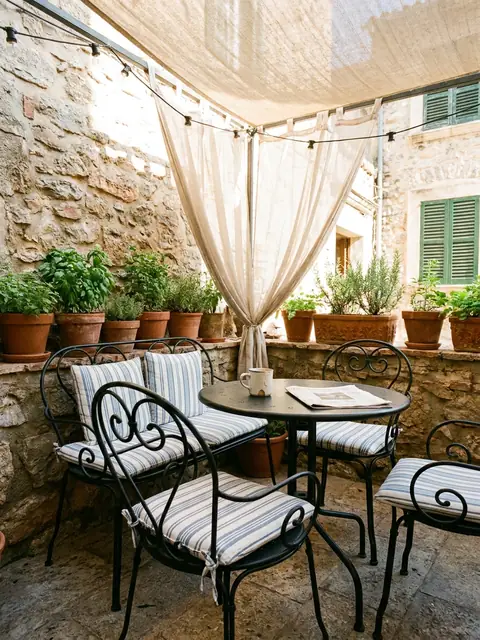
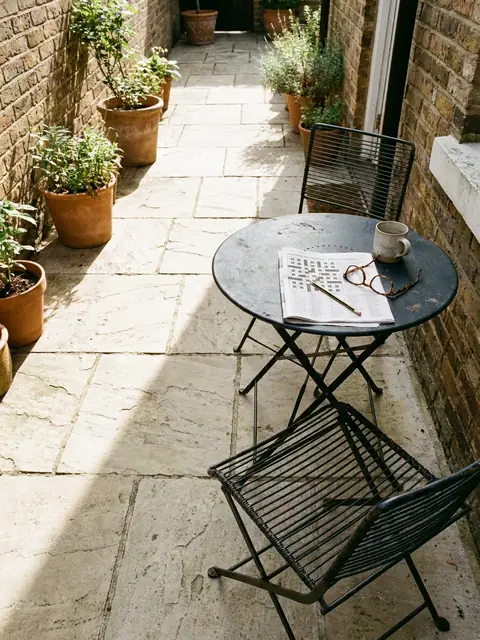
I always start with a folding bistro set, because it works on almost any patio. A table about 24 inches wide and two chairs fit in under 15 square feet, and you fold everything flat when you need the room. Most sets run $100 to $250 at IKEA, Target or Amazon, which makes this the cheapest way into open cafe outdoor design.
Pick metal with a powder coated finish, since bare steel rusts after one wet season. Round tables are easier to squeeze past than square ones. I put mine against the wall with chairs on the long side, which left a 30 inch walkway. Skip glass tops. They show every water spot and every bit of pollen.
2. Built In Banquette Bench With Storage
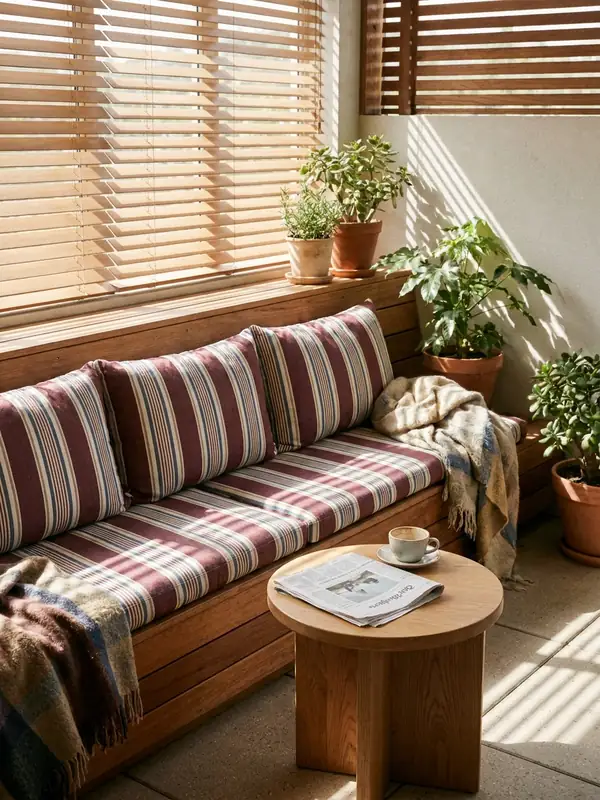
You can fit more people on a bench than on chairs, and that’s the whole reason cafes use banquettes. A simple bench along one wall, about 16 inches deep and 18 inches high, seats three adults on 72 inches of length. Basic lumber and screws cost around $120 to $200 if you build it yourself.
Make the seat a hinged lid and you get free storage for cushions and blankets. Use exterior grade plywood and seal every cut edge, or the damp will swell it within a year. Paint it a deep green or charcoal so scuffs don’t show. Honestly, this was my best small patio decision, and guests always grab it first.
3. String Lights Over the Table
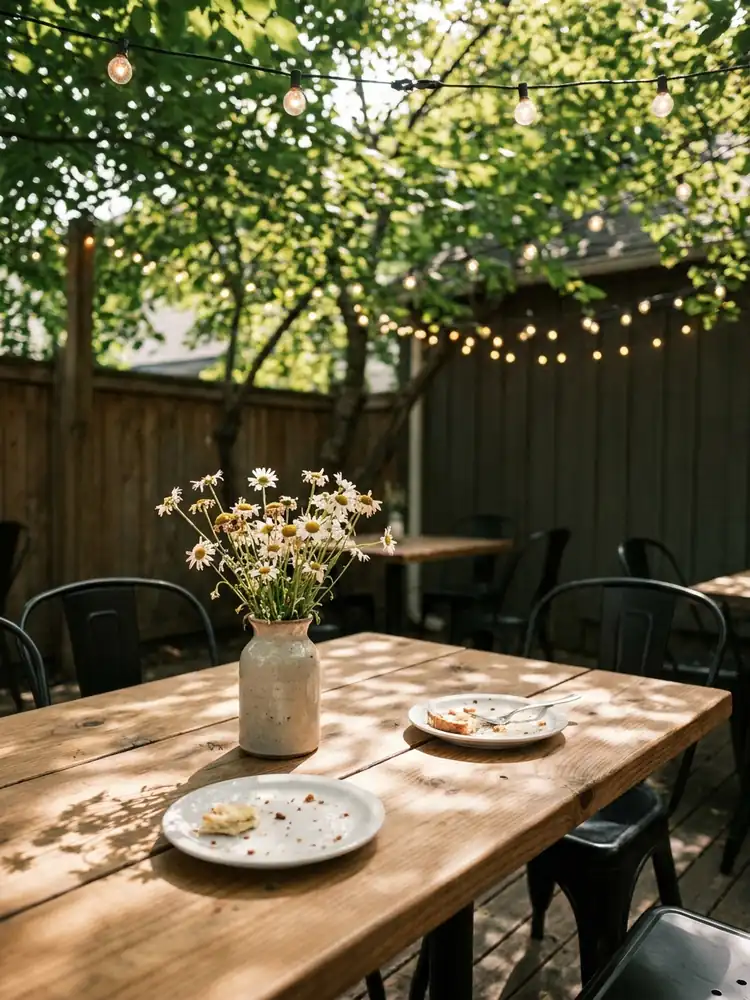
So here’s the thing about cafes: nobody remembers the chairs, they remember the glow. A 48 foot strand of warm white bulbs runs about $30 to $60 at Home Depot or Amazon, and it makes your open cafe outdoor design feel like a place instead of a leftover corner. Look for bulbs rated at 2700K, which is soft and yellow.
Hang them in loose swoops, not straight lines, about 8 feet above the ground. Use plastic cup hooks or adhesive outdoor hooks if you rent, and skip the drill entirely. Commercial grade strands cost more but survive winter. I’ve replaced cheap sets twice, and I won’t do that again. Plan one outlet within 10 feet, or buy a solar strand for about $35.
4. Striped Market Umbrella
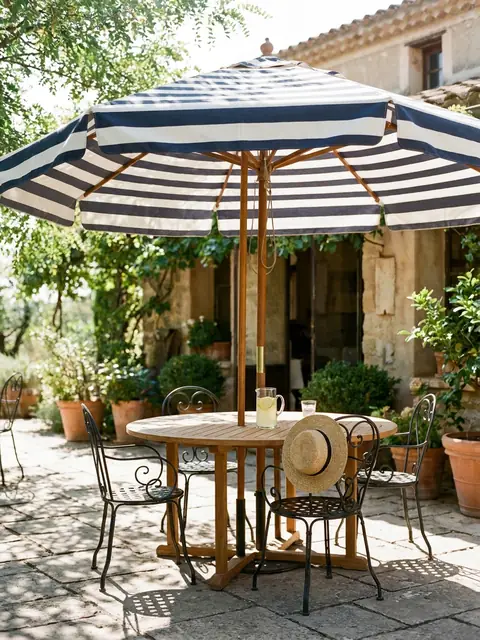
An umbrella does two jobs at once. It blocks the sun, and it tells everyone this is a cafe. A 9 foot market umbrella with a tilt crank runs about $120 to $300, and it covers roughly 64 square feet of floor. Choose a canopy in cream, navy or classic green stripes, since bright colors fade within two summers.
Buy a base that weighs at least 50 pounds, or about 75 if you live somewhere windy. Close it every night, even when it looks calm. I lost one to a surprise gust, and it cost me $180 to learn that lesson. A canopy with a vent on top handles wind much better. Store the canopy cover over winter.
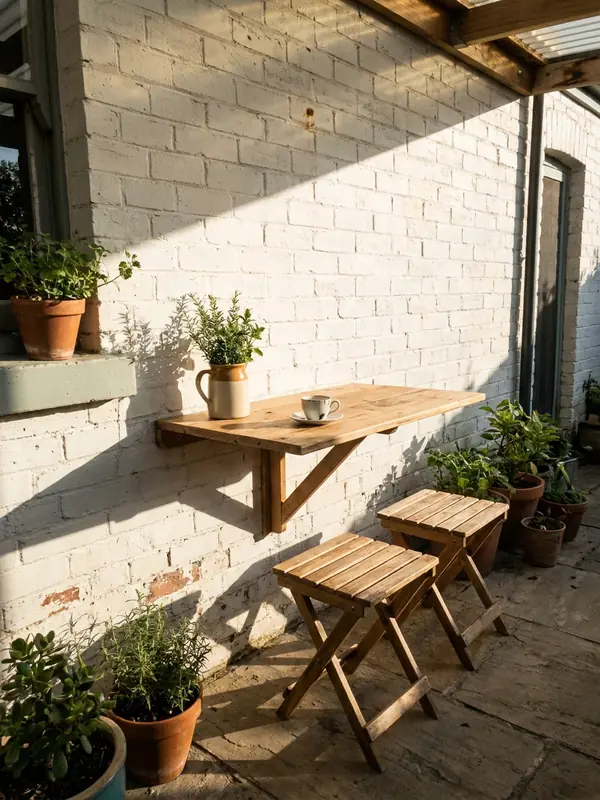
5. Wall Mounted Drop Leaf Counter
My favorite trick for balconies is a counter that disappears. A drop leaf shelf about 40 inches wide and 12 inches deep mounts on the wall and folds down when you’re done. Pair it with two slim stools and you’ve got a coffee bar in under 10 square feet. Expect to pay $60 to $140 for the shelf and brackets.
Use heavy duty brackets rated for at least 50 pounds, and screw into studs or masonry, not just drywall. Renters can use a railing mounted version with clamps instead. Counter height should sit about 40 to 42 inches from the floor, so your stools can slide underneath without banging your knees. It’s a small detail, but it makes the bar actually comfortable.
6. Chalkboard Menu Wall
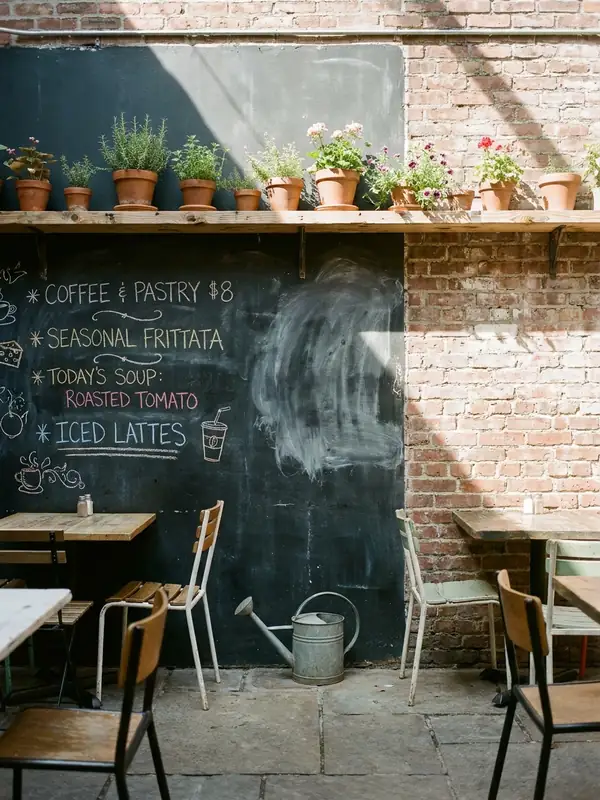
Nothing says cafe faster than a handwritten menu. A 24 by 36 inch outdoor chalkboard costs about $25 to $60, and it gives the fence a focal point. Write your morning coffee, your weekend brunch or just a funny line for guests. It sounds silly, but visitors actually read it and smile. I change mine every season.
Pick a board with a sealed frame, since raw wood warps in rain. Liquid chalk markers last longer outside than regular chalk, but they take a damp cloth to remove. Hang it at about 55 inches to the center, which is eye level for most adults. Bring it inside during storms, and it’ll last for years.
7. Herb Pot Border Instead of a Fence
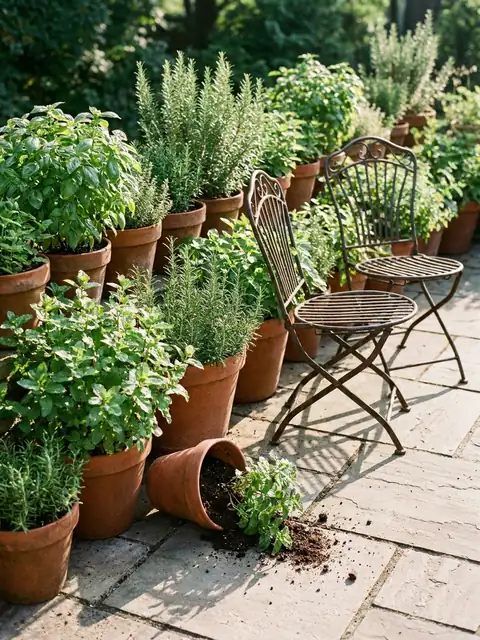
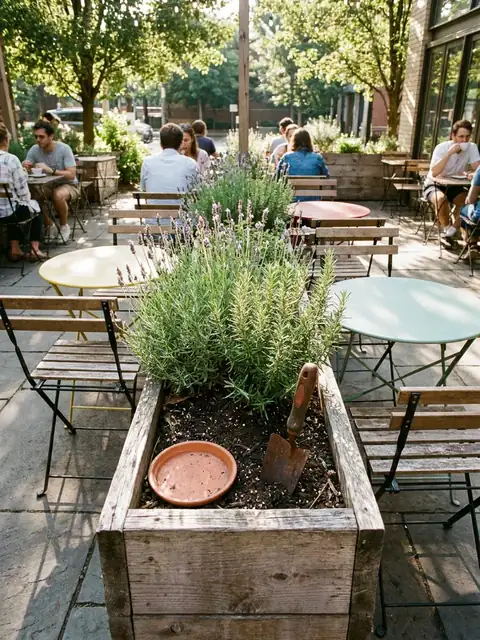
Want a border that smells good and costs almost nothing? Line the edge with terracotta pots of basil, rosemary and mint. Twelve inch pots run $8 to $20 each at Home Depot or Lowe’s, and a row of six makes a living wall about 4 feet long. You’ll also pick fresh leaves for your drinks.
Group pots in odd numbers and vary the heights with a stepped shelf. Keep mint in its own pot, because it takes over everything. Water daily in July, since terracotta dries fast. I’d skip plastic pots here, as they look cheap next to real cafe tables, and they trap too much moisture around the roots.
8. Outdoor Rug to Zone the Cafe
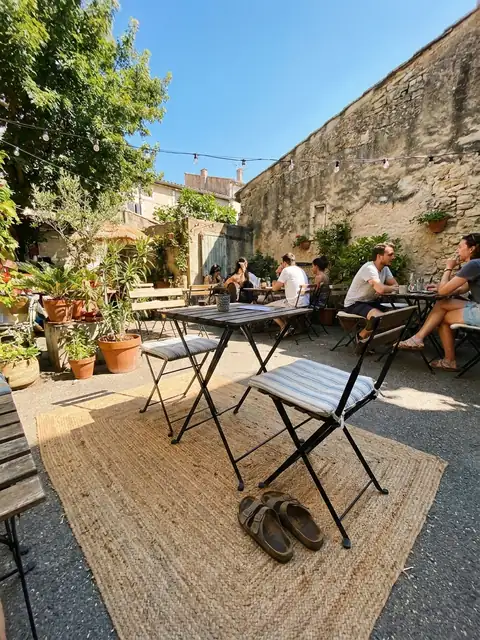
An outdoor rug turns a slab of concrete into a defined room. A 5 by 8 foot polypropylene rug costs about $60 to $180 at Target, IKEA or Wayfair, and it dries in an hour after rain. It also softens noise and hides stains from dropped coffee. Pick a stripe or a small pattern that hides dirt well.
Size matters more than color. Every chair leg should stay on the rug when people pull back to stand, so choose a rug at least 24 inches wider than the table on all sides. Add a rubber pad underneath so it doesn’t slide or curl. Lift it once a month and rinse the concrete below to prevent mildew.
9. Wire Bistro Chairs in Classic French Style
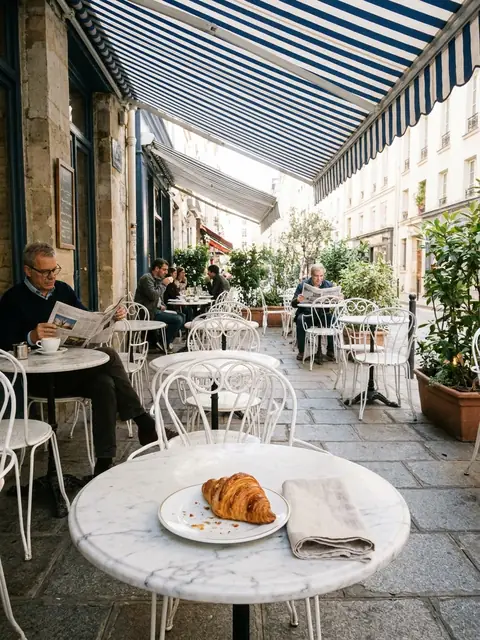
You know those thin metal chairs every Paris cafe uses? They’re cheaper than you’d guess, and they look good in small spaces because you can see right through them. A pair of wire or bentwood style chairs costs about $90 to $240, and each one weighs under 10 pounds, so you can rearrange the patio in seconds.
Choose steel with a baked on finish in black, white or sage green. Add thin seat pads for comfort, about $15 each, and tie them to the chair with the little loops underneath. I tested a set outdoors for two summers, and the only complaint was the heat in direct sun. A little afternoon shade solves that.
10. Pergola With Sheer Curtains
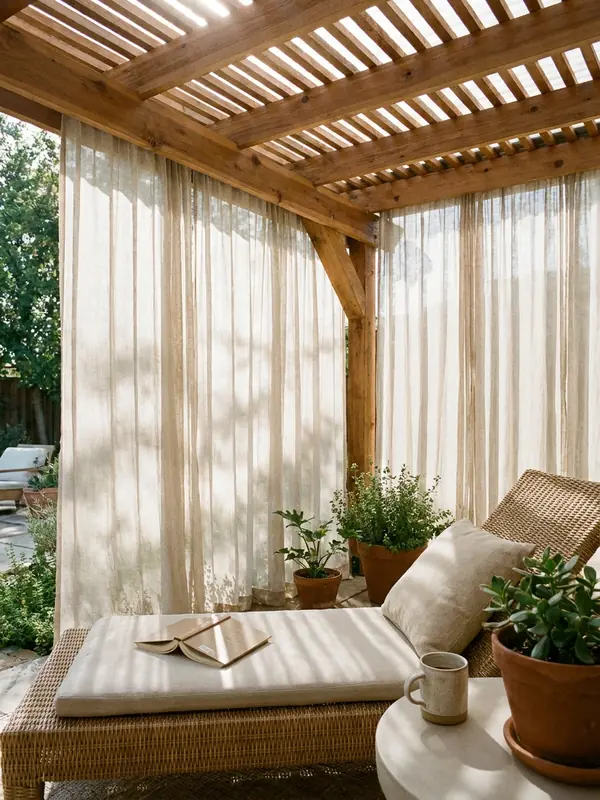
A pergola gives you a ceiling, and a ceiling makes an open cafe outdoor design feel like a room. A basic 8 by 8 foot kit runs about $450 to $1,200, depending on wood or aluminum. Hang outdoor sheer curtains from the beams for $40 to $90 a panel, and you get soft shade plus privacy from neighbors.
If you want something even more enclosed, there are plenty of outdoor shelter options to compare.
Check local permit rules first, because some towns count a pergola as a structure and charge $400 to $1,500 in fees. Aluminum kits need almost no upkeep, while cedar needs sealing every two years. Pick curtains labeled solution dyed, which means the color runs through the fiber and won’t fade. They’re worth the extra money.
11. Pea Gravel Floor for the Cafe Look
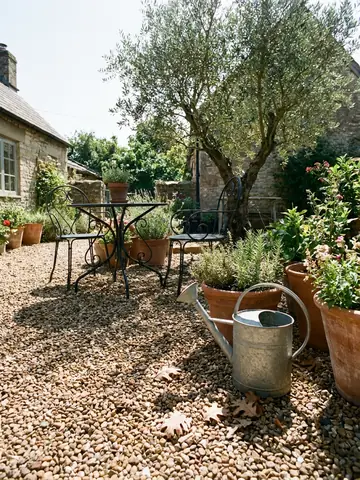
The crunch under your feet is part of the cafe feeling, and pea gravel gives you that sound for cheap. Materials run about $1 to $4 per square foot, so a 10 by 12 foot patch costs roughly $120 to $480 before labor. You can spread it yourself in one weekend. A bag at Home Depot costs around $6 and covers a small area.
Lay landscape fabric first and edge the area with steel or stone so the gravel stays put. Use a 2 to 3 inch layer, and rake it flat. One warning: chair legs sink in. Buy flat furniture feet or stick with a rug under the table. I learned that the hard way with wobbly chairs.
12. Patio Heater for Cool Evenings
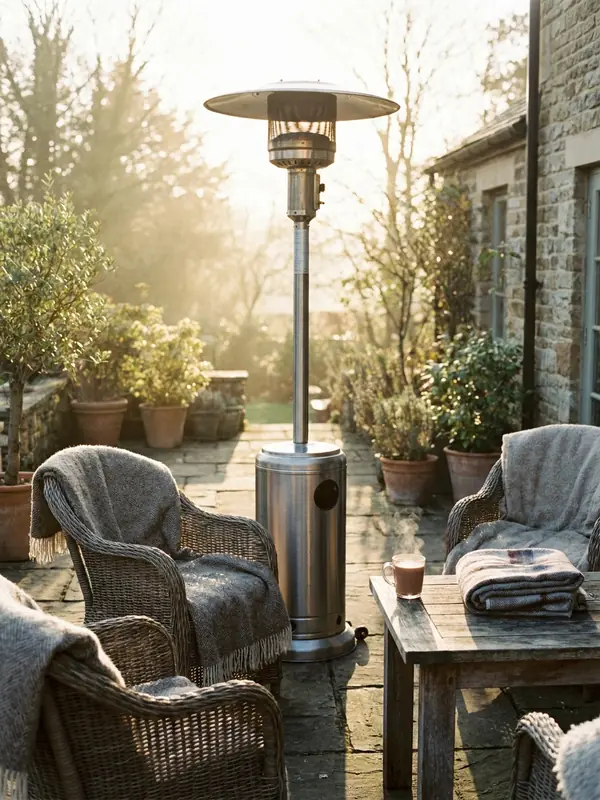
A heater adds months to your cafe season, which means more value from everything else you built. A freestanding propane model costs about $150 to $350, while a tabletop electric version runs $80 to $200. Either one can warm a table for four on a 50 degree night, as long as the wind stays calm.
Keep any heater at least 3 feet from curtains, umbrellas and fences, and never run a propane unit under a low roof. Check your lease first, since some buildings ban open flames on balconies. If that applies to you, pick electric or skip it and use blankets. I keep a basket of wool throws nearby, and guests use them constantly.
If you own the place, outdoor fire features are worth a look too.
13. Mirror on the Fence Wall
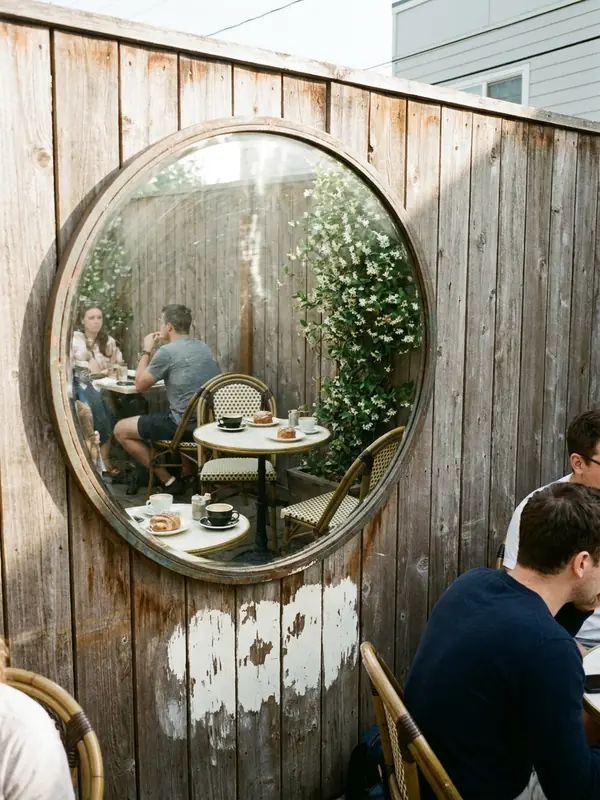
A mirror makes a small patio look twice as deep, and it bounces your string lights back into the space. An outdoor rated mirror about 30 by 40 inches costs around $50 to $120. Hang it on a fence or wall where it reflects greenery, not the trash cans, and the space opens up right away.
Choose a frame made from metal or sealed resin, since wood frames swell in rain. Tilt the top an inch forward so water drains off the glass, and keep it out of direct afternoon sun, which can scorch plants nearby. Birds sometimes hit big mirrors, so add a few leafy plants in front to break up the reflection.
14. Rolling Serving Cart
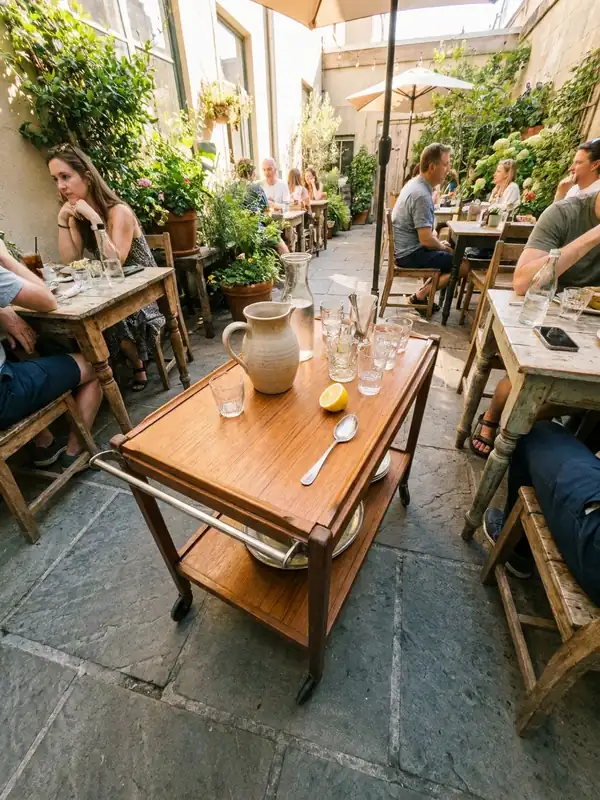
You need somewhere to put the cups, and a cart gives you a mobile counter for about $70 to $200. A three tier metal cart holds a kettle, mugs and a bowl of lemons, then rolls inside when it rains. I use mine for brunch and wheel it right up to the table. It beats carrying trays through the door.
Pick a cart with locking casters and a lip around each shelf so nothing slides off. Powder coated steel or teak outlasts cheaper wood. Add a small tray on top for a quick wipe down, and keep a few cloth napkins on the bottom shelf. It’s a tiny thing, but it makes the whole setup feel like a real cafe.
The same logic applies to any piece you bring outside, so pick sturdy furniture that handles weather.
15. Mosaic Tile Tabletop
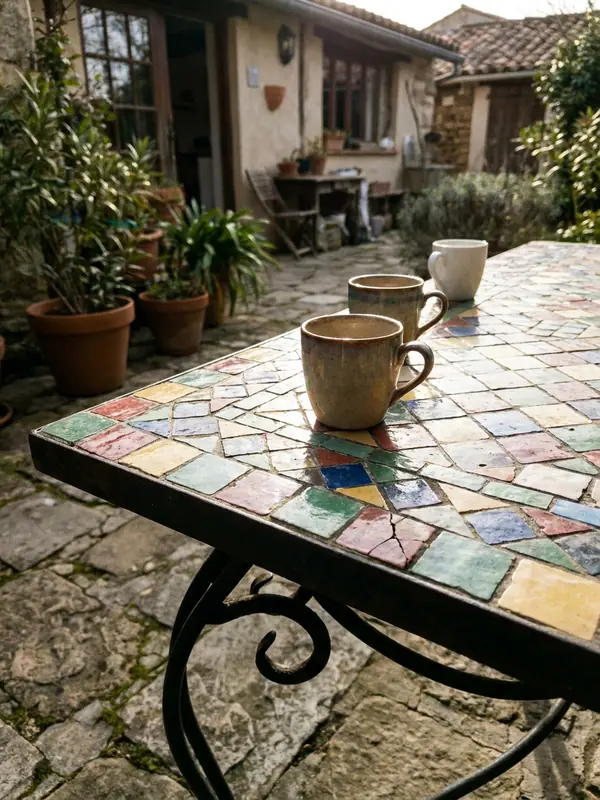
A tiled table looks like it belongs in a Spanish courtyard, and it never needs a tablecloth. Mosaic bistro tables run about $90 to $220, and they shrug off spilled coffee, rain and sun. Choose blue, terracotta or green tiles, since they hide dirt and match almost any plant color. They’re heavier than metal, so a table stays put in wind.
Wipe it with a damp cloth and mild soap, and avoid harsh cleaners that dull the grout. Check that the edge is sealed, since water getting under the tiles can crack them in winter. If you’re handy, an old table plus $40 of tile and grout makes a nice weekend project. Cover it in freezing weather.
16. Climbing Vines on a Trellis
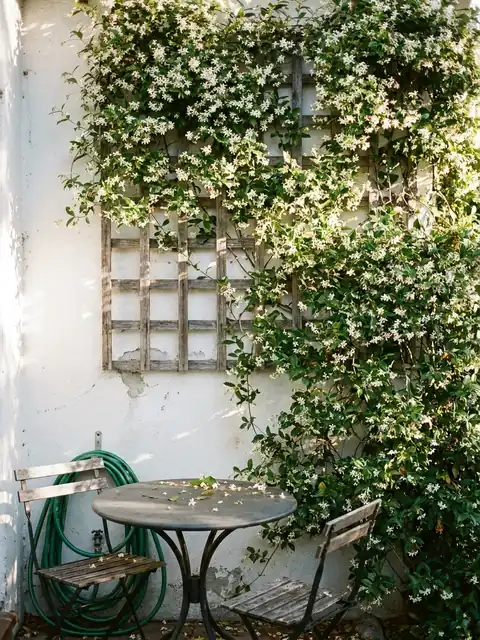
Privacy is the thing nobody plans for in open cafe outdoor design, and a trellis fixes it for about $40 to $120. A 6 foot wood or metal panel behind a planter, with a jasmine or clematis vine, makes a green wall in one season. It blocks sightlines from the neighbors and softens a hard fence. Pick a plant rated for your zone.
Use a planter at least 16 inches wide so roots have room, and feed the plant monthly during growth. If you rent, a freestanding trellis in a pot avoids any drilling. Train the vine with soft ties, not wire, which cuts into stems. Expect real coverage in two summers, so be patient and keep watering.
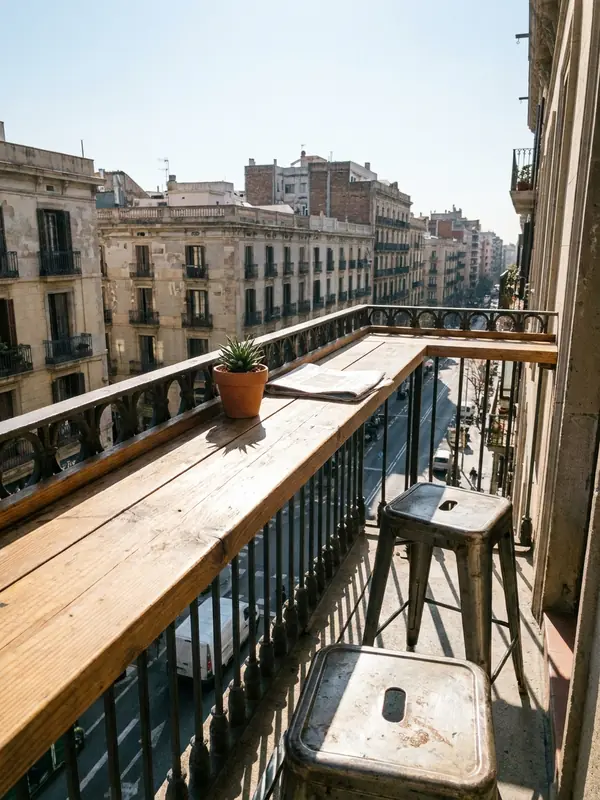
17. Railing Bar Counter for Balconies
The railing is free real estate, and a clamp on bar shelf turns it into a seat for two. A 36 inch wood or composite shelf costs about $50 to $130, and it adds a coffee spot without taking any floor space at all. Add two folding stools that tuck beneath. It’s the best use of a skinny balcony I’ve seen.
Check your railing width first, because most clamps fit rails up to 3 inches thick. Keep the shelf level, and don’t load it past the stated weight limit, usually 25 to 40 pounds. Use a silicone mat on top so mugs don’t slide. Most building rules allow this, but ask your manager to be sure.
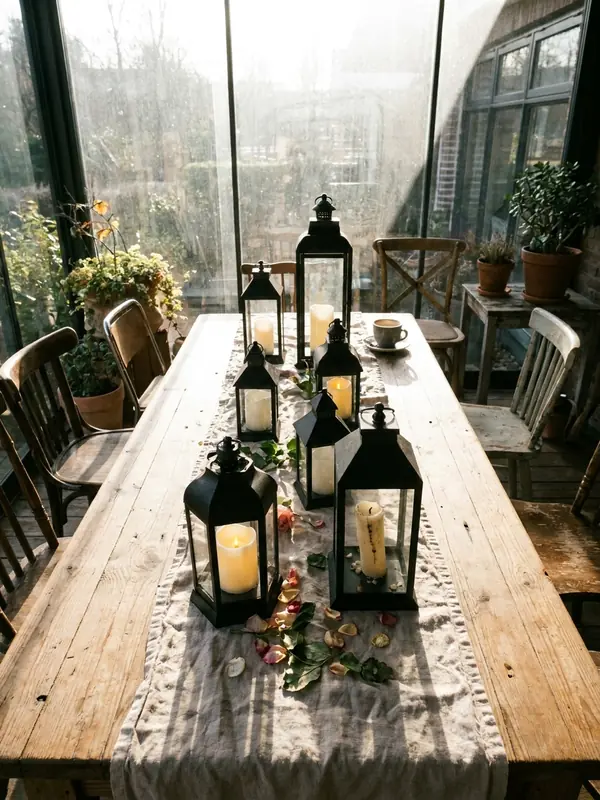
18. Lanterns and Solar Candles
Lanterns give the cafe a glow at table height, which string lights alone can’t do. A set of three metal lanterns costs about $40 to $100, and solar powered candle inserts cost $12 to $25 for a pack. They turn on at dusk, so you never have to light anything or worry about wind blowing out a flame.
Group lanterns in threes, with different heights, on the table or the floor. Pick warm white bulbs only, because cool white feels like a parking lot. Wipe the solar panels every month, since dust cuts the charge by half. I keep a small battery backup in the shed for guests, but I almost never need it.
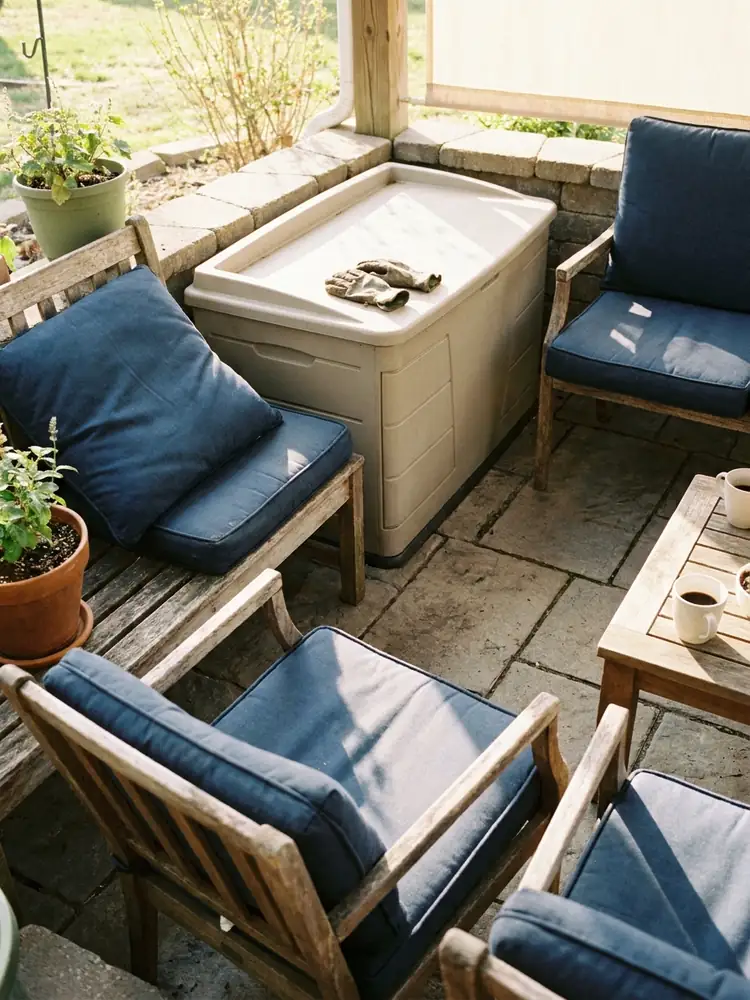
19. Weatherproof Cushions and a Deck Box
Hard chairs are fine for a coffee, but not for a long dinner. Weatherproof cushions in solution dyed fabric cost about $25 to $60 each, and a 50 gallon deck box to store them runs around $80 to $200. That pairing protects your investment, since wet foam turns moldy within weeks. Skip the thin pads from the dollar store.
Choose quick dry foam with an open cell core, and pick fabric labeled for UV and mildew resistance. Stash cushions the moment rain is forecast. I’ve left them out once and regretted it for months. A deck box also works as a spare seat, so it earns its footprint. Avoid cheap vinyl, which cracks after one winter in the sun.
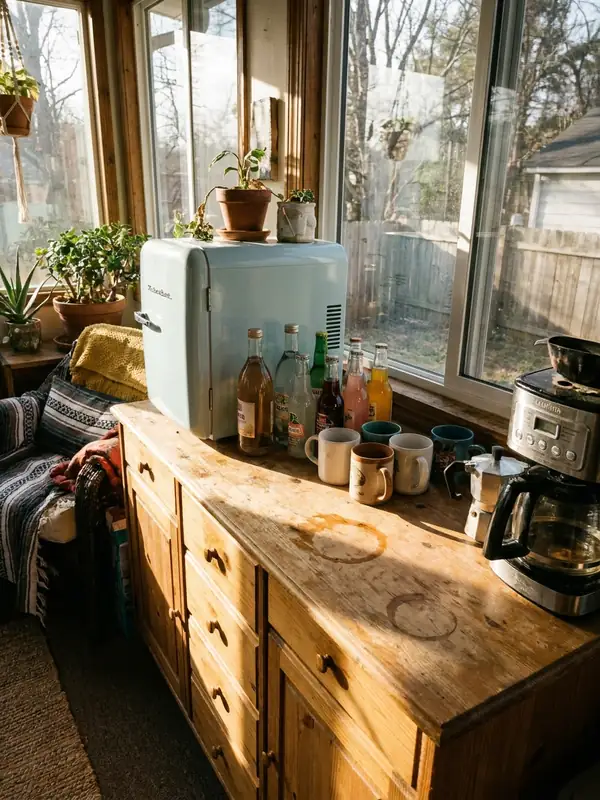
20. Drink Station With a Mini Fridge
A drink station makes your cafe feel complete, and it keeps guests from tramping through the house. An outdoor rated mini fridge costs about $250 to $600, but a cooler on a stand at $40 to $90 does a similar job for a quarter of the price. Add a tray with glasses, a pitcher and a bin for ice.
If you go with a fridge, buy a model rated for outdoor use, and plug it into a GFCI outlet for safety. Hire a licensed electrician if you need a new outlet, which usually costs $150 to $400 for a simple install. Keep it shaded, because direct sun makes any
cooler work twice as hard.
21. Planter Box Divider
Cafes use planters to split seating areas, and you can do the same on a small patio. Two long wood planter boxes, each about 36 inches wide, cost around $60 to $150 total. Fill them with tall grasses or boxwood, and they create a soft wall between the cafe table and the rest of the yard.
Pick boxes with drainage holes and lift them off the ground on small feet so the wood doesn’t rot. Choose evergreens like boxwood if you want year round green. Ornamental grasses look great in summer but turn brown by winter. I like mixing both,
which keeps the divider full in every season and gives the cafe a layered feel.
22. Shade Sail for Big Open Patios
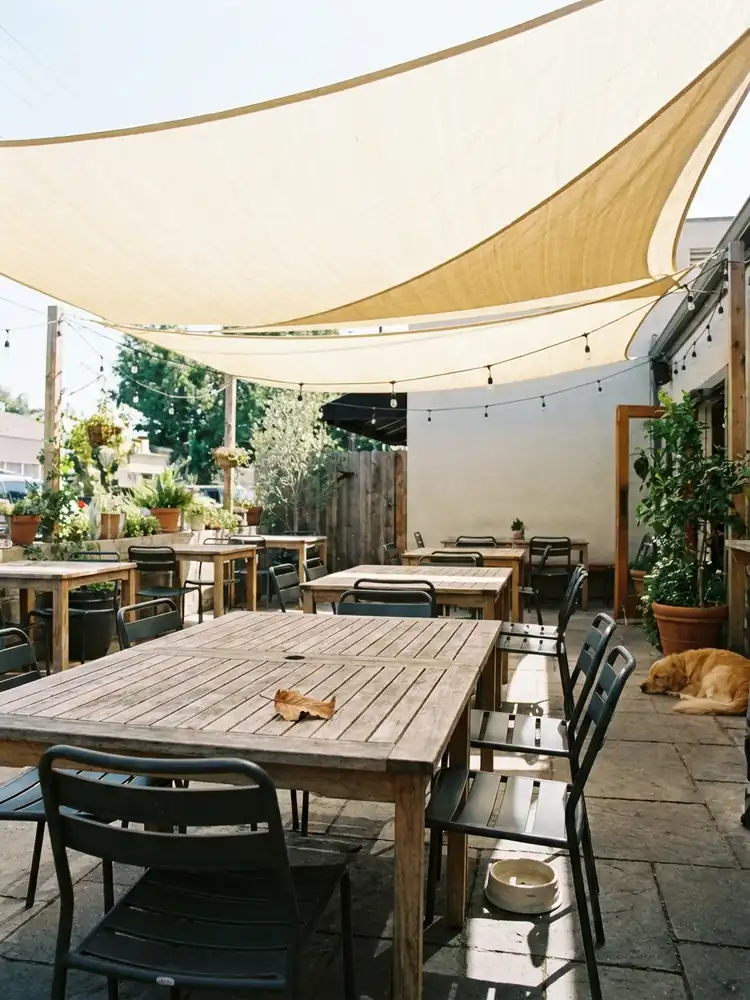
Got a patio too wide for one umbrella? A shade sail covers it for about $50 to $200, and it blocks up to 90 percent of UV rays. A 12 by 12 foot triangle stretches from the house to two posts, and it gives your open cafe outdoor design a clean look. It’s also quick to put up, usually in a single afternoon.
Install it with a slope of at least 20 degrees so rain runs off, and use stainless steel hardware, which won’t rust. Posts need to be anchored in concrete about 3 feet deep. Take it down before heavy snow or storms. I’d pick a sand or gray color, which stays
cooler underneath than dark navy or black fabric.
Budget Breakdown for Open Cafe Outdoor Design
Most of these ideas fit inside a $150 to $1,500 budget, and the table below shows where the money goes and where you can cut back.
| Idea type | Typical cost | Save or splurge |
| Seating (bistro set, chairs, banquette) | $100 to $350 | Splurge on chairs you sit in daily |
| Shade (umbrella, sail, pergola) | $50 to $1,200 | Splurge, since shade decides if you use the space |
| Lighting (string lights, lanterns) | $30 to $100 | Save, but buy commercial grade strands |
| Flooring (rug, pea gravel) | $60 to $480 | Save with a rug before you commit to gravel |
| Heat (heater, throws) | $80 to $350 | Save with electric or blankets |
| Plants and privacy (pots, trellis, planters) | $40 to $150 | Save by growing herbs from seed |
| Storage and extras (cart, deck box, drink station) | $70 to $600 | Save with a basic cooler on a stand |
For a starter tier of $150 to $400, buy a folding bistro set, one strand of string lights and a rug, and you’ve got a working cafe corner. A mid tier of $400 to $900 adds a 9 foot market umbrella, weatherproof cushions, a rolling cart and a few herb pots, which covers comfort and shade. The top tier of $900 to $1,500 brings in a small pergola kit or shade sail, a patio heater and a built in bench, and it’s the point where the patio can add real resale value to your home.
Renter Friendly Alternatives
- Banquette bench: Use a freestanding storage bench with a cushion instead of building one into the wall.
- Wall mounted counter: Clamp a bar shelf to the railing, or use a folding table that leans on the wall.
- String lights: Use adhesive outdoor hooks and battery powered strands, so nothing gets drilled into siding.
- Chalkboard menu: Lean a freestanding easel board against the wall instead of screwing it in.
- Mirror: Prop a framed outdoor mirror on a bench or planter rather than hanging it.
- Trellis: Pick a freestanding trellis inside a heavy pot instead of fixing it to the fence.
- Pea gravel floor: Use an outdoor rug or interlocking deck tiles, which lift out when you move.
- Shade: Choose a weighted base umbrella instead of a shade sail with posts set in concrete.
Mistakes to Avoid
- Buying chairs before measuring: Mark the footprint with tape first, and leave 18 inches behind each chair.
- Skipping shade: Add an umbrella before anything else, since a hot patio goes unused by June.
- Using a light umbrella base: Fill or upgrade to at least 50 pounds, and close the umbrella every night.
- Choosing indoor fabric outdoors: Buy solution dyed, UV rated cushions, and store them when it rains.
- Overcrowding the floor: Remove one piece. A cafe feels better with space to walk than with extra tables.
- Ignoring drainage: Lift planters on feet, and tilt mirrors and boards so water runs off.
- Forgetting permit and lease rules: Call your landlord, HOA or city office before building anything fixed.
Quick Checklist
- Measure your space and tape out the table and chair footprint
- Check lease, HOA and permit rules
- Pick your shade first, then seating
- Order weatherproof cushions and a storage box
- Hang string lights and test them after dark
- Add a rug or gravel to define the cafe zone
- Place plants and one chalkboard for personality
- Add heat or throws when the evenings cool down
Frequently Asked Questions About Open Cafe Outdoor Design
How much does open cafe outdoor design cost for a small patio?
A starter setup costs about $150 to $400, including a bistro set, string lights and a rug. Add shade, cushions and a cart, and you land between $400 and $900. A full setup with a pergola or sail and a heater runs $900 to $1,500.
What’s the best layout for a small outdoor cafe?
Use a bench along one wall and a small table in front, so you seat more people in less space. Leave 18 inches behind each chair and 30 inches for the main walkway. Keep the center open, and push taller plants to the edges.
Can I create an open cafe outdoor design if I rent?
Yes. Use a folding bistro set, a weighted umbrella, battery lights, an outdoor rug and freestanding planters. Nothing needs drilling or permanent changes. Clamp on railing shelves work on many balconies, but ask your landlord first. Everything on this list can move with you when your lease ends.
Final Thoughts on Open Cafe Outdoor Design
You don’t need a big yard to get the cafe feeling. Shade, seating and warm light do most of the work, and every idea here fits a real budget. I built my own corner in pieces over two summers, and it’s now the spot I use most. That’s how open cafe outdoor design works best.
Start with the shade. One umbrella, this weekend. Sit under it with a coffee and see what the space still needs. That one test will tell you whether to buy chairs, lights or a rug next, and it keeps you from overspending.
If you want more ideas like this, homelypop.com has a lot more where this came from. Come back any time you’re planning the next corner, and bring your measuring tape and a real budget with you.